Mastering Cycling Hydration and Electrolyte Balance in 2026
The pursuit of endurance performance is a delicate balancing act, and nowhere is this more evident than in the realm of cycling hydration and electrolyte balance. As we push our bodies to the limit in 2026, understanding the science of sweat is no longer optional; it is a fundamental requirement for success. Dehydration is one of the fastest ways to derail a training session or ruin a race. Even a 2% drop in body weight due to fluid loss can significantly impair your power output, cognitive function, and overall endurance.
However, hydration is not simply about drinking as much water as possible. In fact, over-hydrating with plain water can lead to a dangerous condition known as hyponatremia, where the sodium concentration in your blood becomes dangerously low. The key to optimal performance lies in replacing both the fluid and the essential electrolytes lost through sweat. This requires a personalized approach, as sweat rates and sodium concentrations vary wildly from one cyclist to the next.
The Science of Sweat Rate Calculation
Before you can develop an effective hydration strategy, you must first understand how much fluid you are actually losing. This is where sweat rate calculation comes into play. Your sweat rate is influenced by a multitude of factors, including your body size, fitness level, the ambient temperature, humidity, and even your clothing choices. Because these variables change constantly, it is crucial to measure your sweat rate under various conditions.
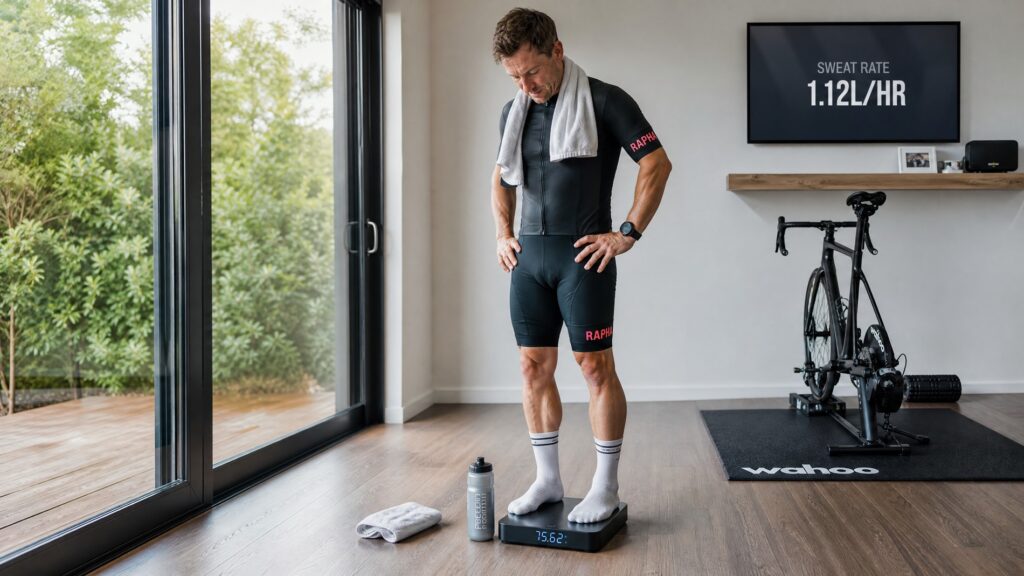
Calculating your sweat rate is a relatively straightforward process. First, weigh yourself naked before your ride. Next, head out for a one-hour training session at your typical race pace. Keep track of exactly how much fluid you consume during the ride. When you return, towel off completely and weigh yourself naked again. The difference in your weight, plus the fluid you consumed, equals your total sweat loss for that hour. For a detailed breakdown of this process, including a downloadable calculator, visit this excellent resource on how to measure your sweat rate.
Once you know your hourly sweat rate, you can begin to tailor your fluid intake. While it is rarely necessary (or practical) to replace 100% of your sweat loss during exercise, aiming to replace 70% to 80% is a solid goal for most endurance athletes. This personalized data is a cornerstone of any comprehensive cycling training plan.
The Critical Role of Electrolytes
Fluid replacement is only half of the equation. When you sweat, you also lose vital electrolytes, primarily sodium, but also potassium, magnesium, and calcium. Sodium is the most critical of these, as it plays a key role in fluid balance, nerve function, and muscle contraction. If you lose too much sodium without replacing it, you risk severe cramping, fatigue, and a significant drop in performance.
Just as sweat rates vary, so too does the sodium concentration in an individual’s sweat. Some cyclists are “salty sweaters,” losing massive amounts of sodium, while others lose very little. Identifying where you fall on this spectrum is essential. If you frequently experience white, crusty salt stains on your dark cycling kit after a hard ride, you are likely a salty sweater and need to prioritize sodium replacement. Integrating a high-quality sports drink or electrolyte supplement into your cycling nutrition and fueling strategy is the most effective way to manage this balance.
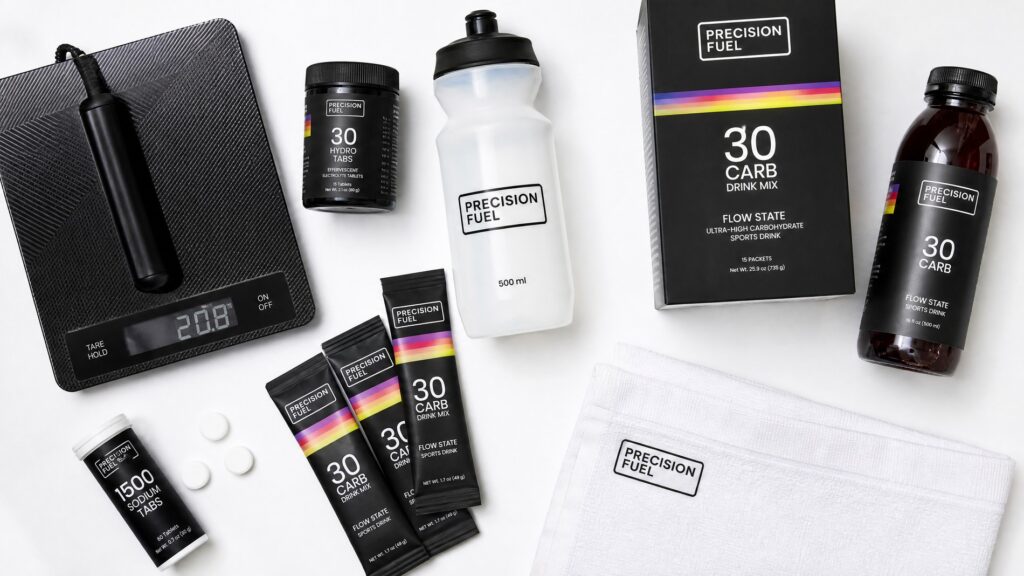
Modern sports drinks are formulated to provide a specific ratio of carbohydrates and electrolytes to maximize absorption in the gut. When choosing a hydration product, look for one that matches your individual sodium needs. For long, hot rides, you may need a product with a much higher sodium content than you would for a short, cool recovery spin. Understanding this nuance is a key component of managing cycling weather and seasonal riding conditions.
Hydration Strategies for Endurance Performance
Developing a robust hydration strategy requires planning and practice. You should never try a new hydration protocol on race day. Instead, use your training rides to experiment with different fluids, electrolyte concentrations, and drinking intervals. The goal is to find a system that keeps you hydrated without causing gastrointestinal distress.
A common and effective strategy is to drink to a schedule rather than relying solely on thirst. Thirst is often a delayed indicator of dehydration; by the time you feel thirsty, you may already be in a deficit. Aim to take a few sips of fluid every 10 to 15 minutes, rather than chugging a whole bottle at once. This steady intake helps your body absorb the fluid more efficiently and prevents the uncomfortable sloshing feeling in your stomach.
Pre-hydration is also critical. Starting a ride in a dehydrated state puts you at an immediate disadvantage. Aim to consume 16 to 24 ounces of fluid, preferably with some electrolytes, in the two hours leading up to your ride. This ensures that your body is primed and ready to perform. For more insights on how hydration impacts overall health and fitness, explore these cycling benefits.
Post-Ride Rehydration and Recovery
Your hydration strategy does not end when you unclip from the pedals. Post-ride rehydration is a vital part of the recovery process. The general rule of thumb is to consume 1.5 liters of fluid for every kilogram of body weight lost during the ride. This fluid should include a mix of water, carbohydrates, and electrolytes to replenish depleted stores and facilitate muscle repair.
Proper rehydration accelerates the recovery process, allowing you to bounce back faster for your next training session. It helps flush metabolic waste products from your muscles and restores plasma volume, which is essential for cardiovascular efficiency. This focus on post-ride care is a central theme in optimizing cycling recovery and muscle regeneration.
In conclusion, mastering cycling hydration and electrolyte balance is a continuous journey of self-discovery. By calculating your sweat rate, understanding your sodium needs, and practicing your hydration strategy during training, you can unlock new levels of endurance and performance. Remember, the strongest cycling posture and core strength won’t save you if your engine runs out of fluid. Drink smart, ride hard, and stay hydrated.