The Evolution of Cycling Suspension Technology and Geometry in 2026
The landscape of cycling performance is undergoing a massive transformation as we move deeper into 2026. Riders are no longer relying solely on tire pressure and frame compliance to smooth out rough terrain. Instead, advanced cycling suspension technology and geometry are taking center stage, fundamentally changing how we interact with the trail, the gravel road, and even the pavement. Whether you are a dedicated mountain biker or an adventurous gravel grinder, understanding how your suspension works is critical to maximizing your speed, comfort, and control.
Suspension systems have evolved from simple pogo sticks into highly sophisticated, tunable components. Today, a modern suspension setup consists of a spring—typically a sealed canister of air or a metal coil—and a rebound damper. Without this crucial damping unit, your bike would bounce uncontrollably after every impact. The damper uses oil forced through small valves to control the speed at which the spring compresses and rebounds. This intricate dance of fluid dynamics is what keeps your tires planted firmly on the ground, providing the traction necessary for aggressive cornering and technical descents.
Understanding Fork Suspension and Rear Shock Tuning
The front fork is the most prominent piece of suspension on any bike. In 2026, we are seeing a wide variety of fork designs, from traditional telescopic forks to innovative linkage systems. The primary goal of the fork is to absorb impacts from the front wheel, reducing fatigue in your hands, arms, and shoulders. However, a fork is only as good as its tune. Manufacturers work tirelessly to create specific “tunes” that optimize oil flow for different riding styles and frame designs.
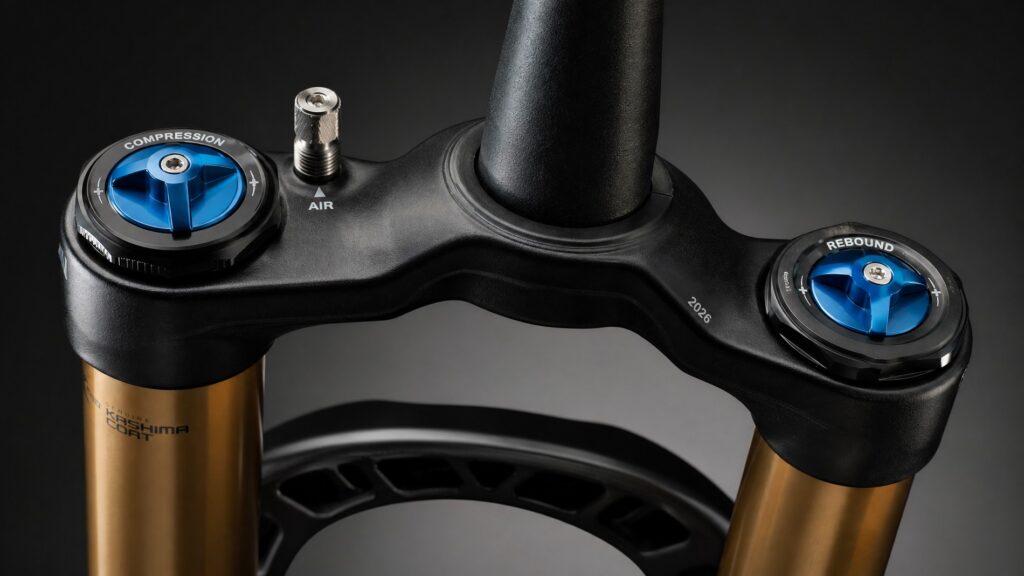
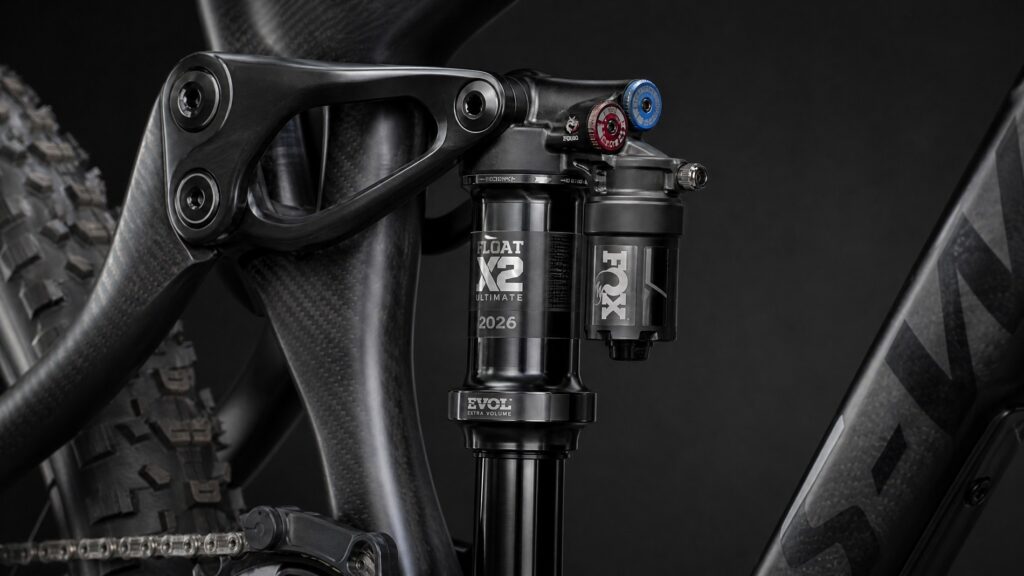
For mountain bikers, the rear shock is equally important. A full-suspension bike utilizes a rear shock absorber to keep the rear wheel tracking the ground. This is where compression and rebound damping become critical adjustments. Compression damping controls how easily the shock compresses when you hit a bump, while rebound damping controls how quickly it returns to its original length. If your rebound is set too fast, the bike will feel skittish and unpredictable. Conversely, if it is set too slow, the shock will “pack up” over successive hits, leaving you with a harsh and unforgiving ride.
Setting your suspension sag is the foundational step in this tuning process. Sag refers to how much the suspension compresses under your body weight when you are simply sitting on the bike. Proper sag ensures that the suspension has enough negative travel to extend into dips and holes, maintaining traction when the trail drops away. Most manufacturers recommend a sag setting between 20% and 30% of total travel, depending on the bike’s intended use and your personal riding style.
The Rise of Gravel Bike Suspension
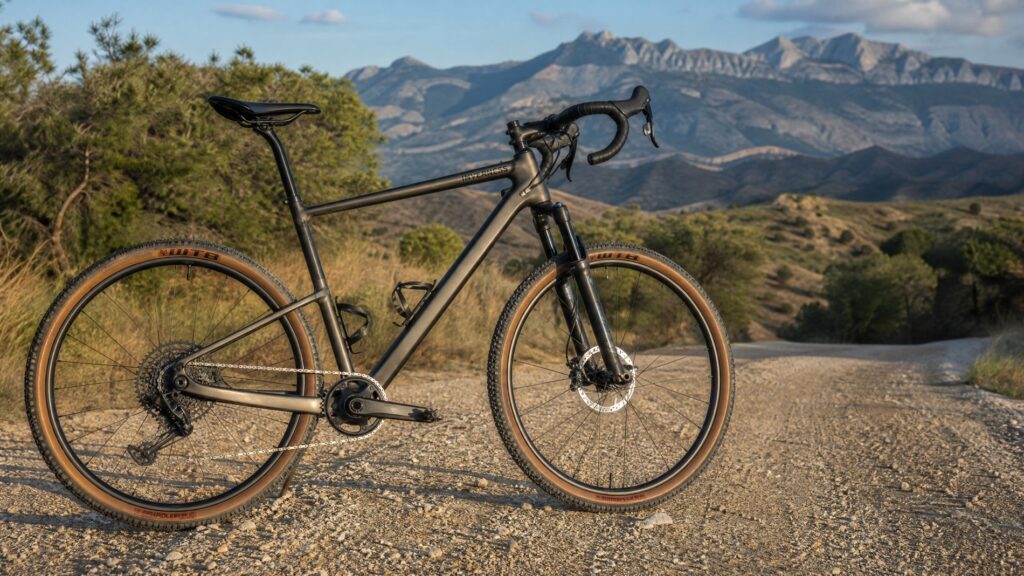
One of the most exciting trends in 2026 is the widespread adoption of suspension on gravel bikes. What was once considered a gimmick is now a proven method for increasing speed and comfort on mixed-surface rides. Gravel suspension forks typically offer between 30mm and 50mm of travel, providing just enough compliance to take the edge off washboard roads and rocky descents without adding excessive weight or compromising pedaling efficiency.
Beyond traditional telescopic forks, we are also seeing alternative suspension designs in the gravel space. These include bouncy stems, headset-mounted shock absorbers, and engineered carbon fiber components designed to flex under load. These micro-suspension systems are incredibly effective at reducing high-frequency vibrations, which can cause significant fatigue over the course of a long gravel race or bikepacking adventure. If you are looking to upgrade your setup, exploring these gravel suspension options is a great place to start.
How Suspension Impacts Bike Geometry
It is impossible to discuss suspension without also discussing bike geometry. The two are inextricably linked. When your suspension compresses, the geometry of your bike changes dynamically. The head tube angle steepens, the bottom bracket drops, and the wheelbase shortens. This dynamic geometry shift can significantly affect how the bike handles in technical terrain.
Modern bike designers account for this by creating frames with progressive geometry. This often means slacker head tube angles and longer reach measurements, which provide stability when the suspension is deep in its travel. Understanding this relationship is crucial for bike fit and geometry optimization. A bike that feels perfectly balanced in the parking lot might feel completely different when you are pushing hard through a rock garden.
Furthermore, the amount of suspension travel dictates the bike’s intended category. Cross-country bikes typically feature 100mm to 120mm of travel, prioritizing climbing efficiency and low weight. Trail bikes sit in the sweet spot of 130mm to 150mm, offering a balance of climbing prowess and descending capability. Enduro and downhill bikes push into the 160mm to 200mm+ range, designed specifically for tackling the steepest and most aggressive terrain. Choosing the right travel for your local trails is the first step in mastering your mountain bike trail skills.
Maintenance and Longevity
Advanced suspension systems require regular maintenance to perform at their best. The oil inside your fork and shock degrades over time, losing its damping properties. Seals can dry out and crack, leading to air leaks and reduced performance. Most manufacturers recommend a basic lower leg service every 50 hours of riding, with a full rebuild every 100 to 200 hours.
Neglecting this maintenance not only degrades your ride quality but can also lead to expensive damage to the internal components. Incorporating suspension care into your regular bike cleaning and maintenance routine is essential. Keeping the stanchions clean and free of mud and debris will significantly extend the life of your seals and ensure that your suspension remains buttery smooth.
As we look to the future, the integration of electronics into suspension systems is becoming more prevalent. Systems that automatically adjust compression and rebound damping based on real-time sensor data are no longer science fiction. These smart suspension systems promise to deliver the ultimate ride quality, seamlessly adapting to changing terrain without any input from the rider. For a deeper dive into how these systems work, check out this comprehensive guide to bike suspension.
Ultimately, mastering your cycling suspension technology and geometry is an ongoing process of experimentation and refinement. By taking the time to understand sag, compression, and rebound, you can unlock the full potential of your bike. This knowledge not only improves your speed and control but also plays a vital role in cycling injury prevention by reducing the impact forces transmitted to your body. So grab your shock pump, hit the trails, and start tuning!