The Evolution of Cycling Shoe Technology and Cleat Systems in 2026
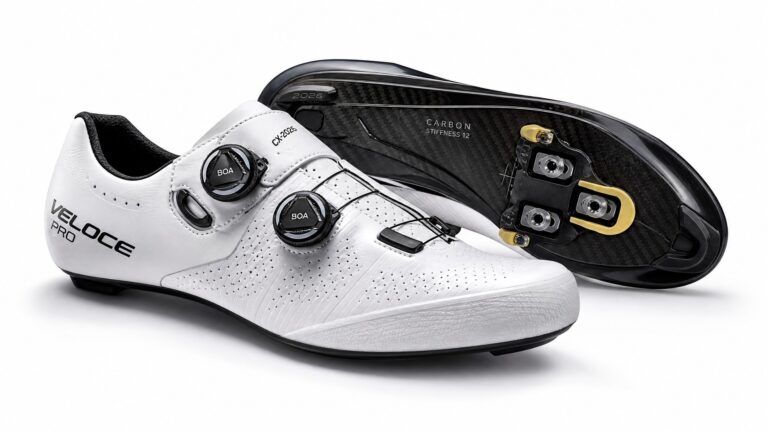
Your feet are the primary contact point where human power translates into forward momentum. Consequently, the interface between your body and your bicycle is arguably the most critical component of your entire setup. In 2026, cycling shoe technology and cleat systems have evolved far beyond simple footwear. Modern cycling shoes are highly engineered pieces of equipment designed to maximize power transfer, minimize fatigue, and provide unparalleled comfort during endurance efforts.
The landscape of cycling footwear is currently experiencing a renaissance of material science and ergonomic design. Manufacturers are utilizing aerospace-grade carbon fiber, advanced micro-adjustable closure systems, and sophisticated aerodynamic profiling. Whether you are a competitive road racer seeking marginal gains or a dedicated enthusiast looking to optimize your weekend rides, understanding the nuances of modern cycling shoes is essential. This comprehensive guide explores the cutting-edge innovations defining cycling footwear in 2026.
Understanding Cleat Systems: SPD vs. SPD-SL
The foundation of any cycling shoe setup is the cleat system that binds the rider to the pedal. The industry is primarily divided into two dominant standards, both pioneered by Shimano’s Pedaling Dynamics (SPD) architecture. Choosing the correct system is the first step in optimizing your cycling experience.
The traditional two-bolt SPD system was originally designed for mountain biking but has become the standard for gravel riding, commuting, and touring. These cleats are recessed into the sole of the shoe, allowing for relatively normal walking off the bike. Furthermore, the dual-sided entry of SPD pedals makes clipping in exceptionally easy, which is highly beneficial in stop-and-go urban environments or technical off-road terrain.
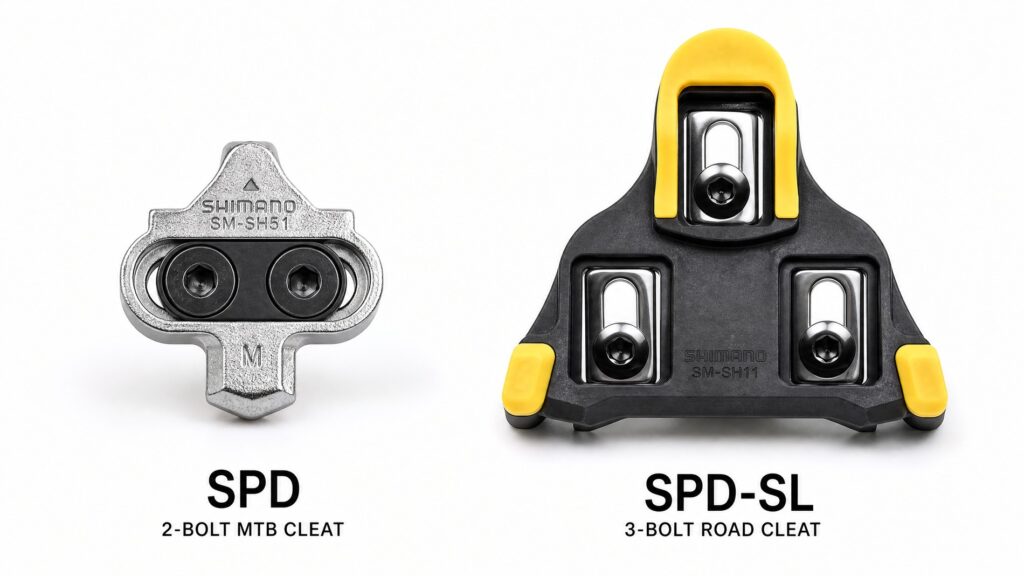
Conversely, the three-bolt SPD-SL system is engineered specifically for road cycling and high-performance applications. The “SL” stands for SuperLight, and these cleats offer a significantly larger platform for power transfer. By spreading the pedaling load over a wider surface area, SPD-SL systems reduce the risk of hot spots and maximize efficiency. However, the prominent, exposed cleat makes walking awkward and accelerates wear when off the bike. For riders focused purely on speed and bike fit and geometry optimization, the three-bolt system remains the undisputed champion.
The Carbon Fiber Sole Revolution
The sole of a cycling shoe is the structural backbone that dictates how effectively your muscular effort is transferred to the drivetrain. In 2026, carbon fiber composite soles have become the gold standard for premium cycling footwear. Unlike traditional nylon or plastic soles, carbon fiber offers an exceptional stiffness-to-weight ratio.
Stiffness is paramount because any flex in the sole represents lost energy. When you push down on the pedal, a rigid carbon sole ensures that every watt of power goes directly into turning the crank arm. Additionally, modern manufacturing techniques allow engineers to tune the carbon layup. This means the sole can be incredibly stiff longitudinally for power transfer, while allowing slight torsional flex to accommodate the natural movement of the foot and ankle, thereby aiding in cycling injury prevention and biomechanics.
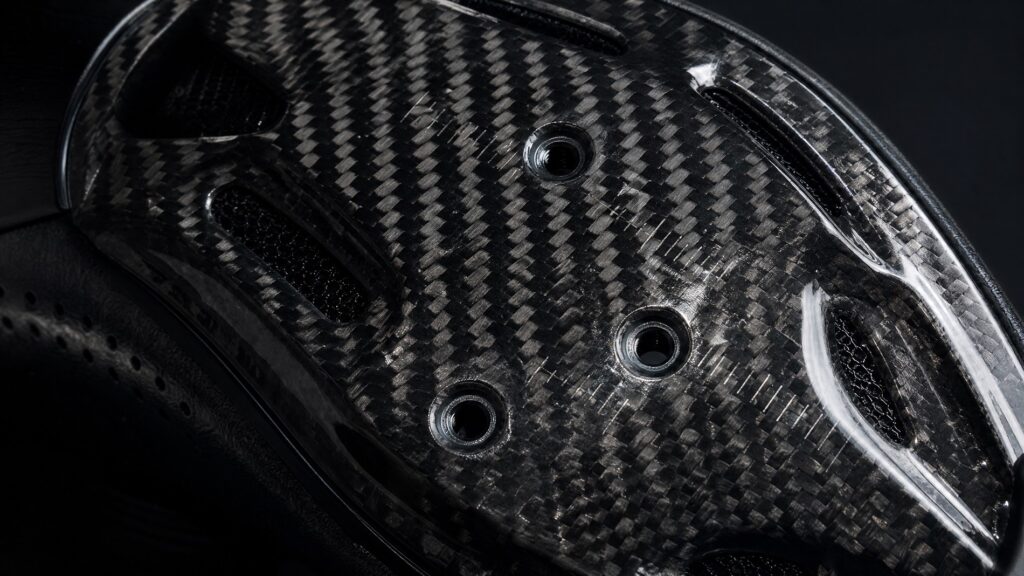
Beyond performance, carbon soles significantly enhance comfort on long endurance rides. Flexible nylon soles can bend over the pedal spindle, creating localized pressure points known as “hot spots.” A rigid carbon platform distributes this pressure evenly across the entire foot. According to recent reviews by BikeRadar’s cycling shoe guide, the transition to carbon soles is often cited as the most noticeable upgrade a cyclist can make to their equipment.
Micro-Adjustable Fit and BOA Dial Systems
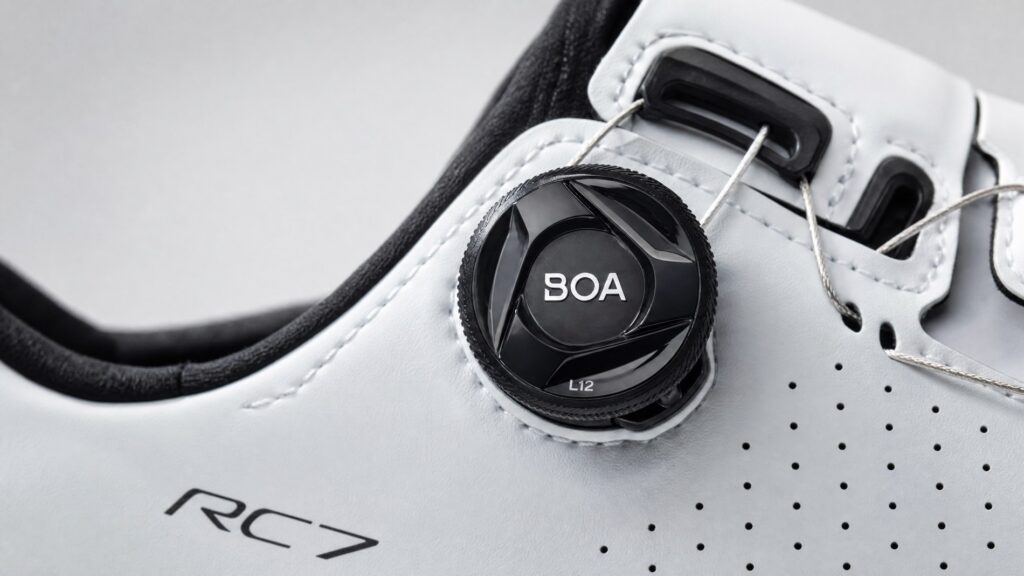
A stiff sole is useless if the shoe does not securely hold the foot in place. Traditional Velcro straps and ratcheting buckles have largely been superseded by micro-adjustable dial systems, most notably those produced by BOA Fit System. These closures utilize a ratcheting dial connected to stainless steel or high-tensile synthetic laces that zig-zag across the upper of the shoe.
The primary advantage of dial systems is the ability to make millimeter-precise adjustments on the fly. As your feet naturally swell during a long ride, you can easily reach down and release a click of tension. Conversely, before a sprint or a steep climb, you can quickly tighten the dials to lock your heel firmly into the cup. This precise tensioning eliminates heel slip, which is crucial for maintaining an efficient cycling cadence and pedaling mechanics.
In 2026, premium shoes often feature dual-dial configurations. This allows the rider to independently adjust the tension across the instep and the forefoot. Such granular control accommodates a wide variety of foot shapes and arch heights, ensuring a custom-like fit straight out of the box. Furthermore, the minimalist design of dial closures contributes to the overall aerodynamic profile of the shoe.
Aerodynamics and Upper Materials
As speeds increase, aerodynamic drag becomes the primary force a cyclist must overcome. While much attention is given to frames and wheels, the feet are constantly moving through the air, creating significant turbulence. Consequently, modern cycling shoes are designed in wind tunnels to minimize their aerodynamic footprint. Smooth, seamless uppers, hidden laces, and integrated covers are becoming commonplace on high-end models.
The materials used for the shoe uppers have also seen dramatic improvements. Heavy, unbreathable synthetic leathers have been replaced by advanced microfiber fabrics and engineered knits. These materials are incredibly lightweight, highly breathable, and conform to the shape of the foot like a second skin. Proper ventilation is critical for temperature regulation, especially during intense efforts where core strength and posture are being tested to their limits.
Many manufacturers, such as Pearl Izumi and Fizik, are now incorporating targeted ventilation zones. Laser-perforated holes and mesh inserts are strategically placed to channel cooling air over the foot while allowing heat and moisture to escape. This combination of aerodynamic efficiency and thermal management represents the pinnacle of 2026 cycling shoe technology.
Conclusion: Investing in Your Foundation
Upgrading your cycling shoes and optimizing your cleat system is one of the most impactful investments you can make in your cycling journey. The combination of a rigid carbon sole, a precise micro-adjustable fit, and the correct cleat interface will transform how you interact with your bicycle. By eliminating wasted energy and maximizing comfort, modern cycling footwear allows you to ride further, faster, and with greater enjoyment.
As you evaluate the options available in 2026, prioritize fit above all else. A shoe with the stiffest carbon sole and the most aerodynamic profile will hinder your performance if it causes pain or numbness. Take the time to try on different brands, experiment with cleat positioning, and consult with a professional bike fitter if necessary. Your feet are the foundation of your ride; equip them accordingly.