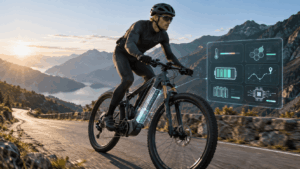
The cycling industry is witnessing an unprecedented revolution in wearable technology that’s fundamentally transforming how riders interact with their environment, access information, and maintain safety on the road. The year 2025 has emerged as a pivotal moment where advanced wearable devices have evolved from experimental gadgets to essential cycling equipment that enhances performance, safety, and overall riding experience.
This technological evolution addresses critical challenges that cyclists have faced for decades: the need to access navigation, communication, and performance data without compromising safety or taking attention away from the road. Traditional solutions often required riders to look down at handlebar-mounted devices or stop to check smartphones, creating dangerous situations and interrupting the flow of their rides.
The emergence of smart glasses and bone conduction audio technology represents a paradigm shift toward seamless integration of digital information with the cycling experience. These devices provide heads-up access to critical data while maintaining full awareness of surrounding traffic and environmental conditions. The competition between these two approaches—visual displays versus audio communication—is driving rapid innovation and creating compelling options for cyclists of all levels.
As we explored in our comprehensive analysis of cycling training optimization, the integration of technology with cycling performance has become increasingly sophisticated. The latest wearable technologies take this integration to new levels by providing real-time feedback, navigation assistance, and safety features that were previously impossible or impractical to implement.
The safety implications of wearable cycling technology cannot be overstated. With cycling fatalities and injuries remaining significant concerns in urban environments worldwide, the development of wearable safety devices including airbag systems and advanced helmet technologies represents a crucial advancement in rider protection. These innovations are not merely incremental improvements but represent fundamental breakthroughs in cycling safety technology.
Smart Glasses Revolution: Heads-Up Display for Cyclists
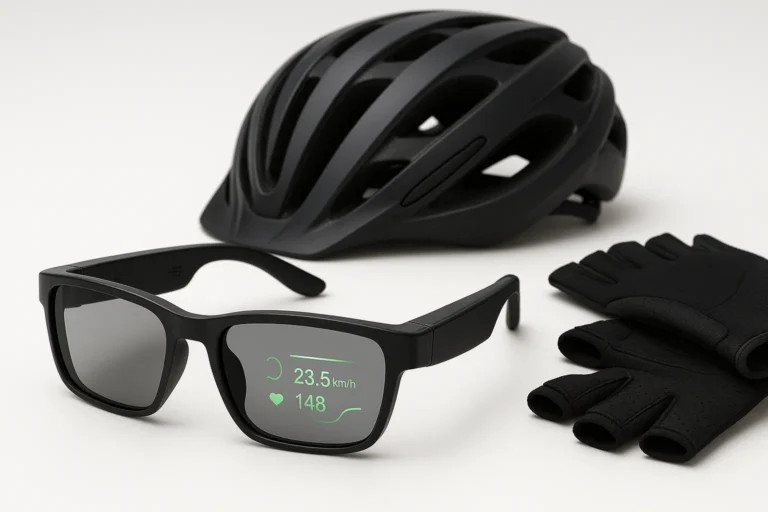
Smart glasses designed specifically for cycling represent one of the most significant technological advances in rider safety and performance monitoring. These sophisticated devices integrate high-resolution displays, advanced sensors, and wireless connectivity to provide real-time information directly in the rider’s field of vision without requiring them to look away from the road or trail ahead.
The latest generation of cycling smart glasses features ultra-lightweight designs that seamlessly integrate with existing helmet and eyewear systems. Advanced optical technologies project crisp, clear displays that remain visible in various lighting conditions, from bright sunlight to low-light dawn and dusk riding scenarios. The displays can show navigation directions, speed, heart rate, power output, and incoming communications without obstructing the rider’s view of the road.
The integration capabilities of modern smart glasses extend far beyond simple data display. These devices can connect wirelessly to bike computers, smartphones, heart rate monitors, and power meters to create comprehensive information ecosystems that provide unprecedented insight into riding performance and conditions. The ability to access this information without looking down at handlebar-mounted devices represents a significant safety improvement for cyclists navigating busy urban environments or challenging terrain.
Advanced smart glasses incorporate voice control and gesture recognition technologies that allow riders to interact with their devices without using their hands. Voice commands can control navigation, answer calls, or adjust display settings, while subtle head movements or eye tracking can navigate through different information screens. These interaction methods ensure that riders can access the full functionality of their smart glasses while maintaining complete control of their bicycles.
The customization options available in modern smart glasses allow riders to tailor their information displays to specific riding scenarios and personal preferences. Training rides might emphasize performance metrics like power output and heart rate zones, while commuting scenarios could prioritize navigation and traffic information. The ability to create and switch between different display profiles ensures that smart glasses remain useful across various cycling activities and conditions.
Bone Conduction Audio: The Safe Sound Solution
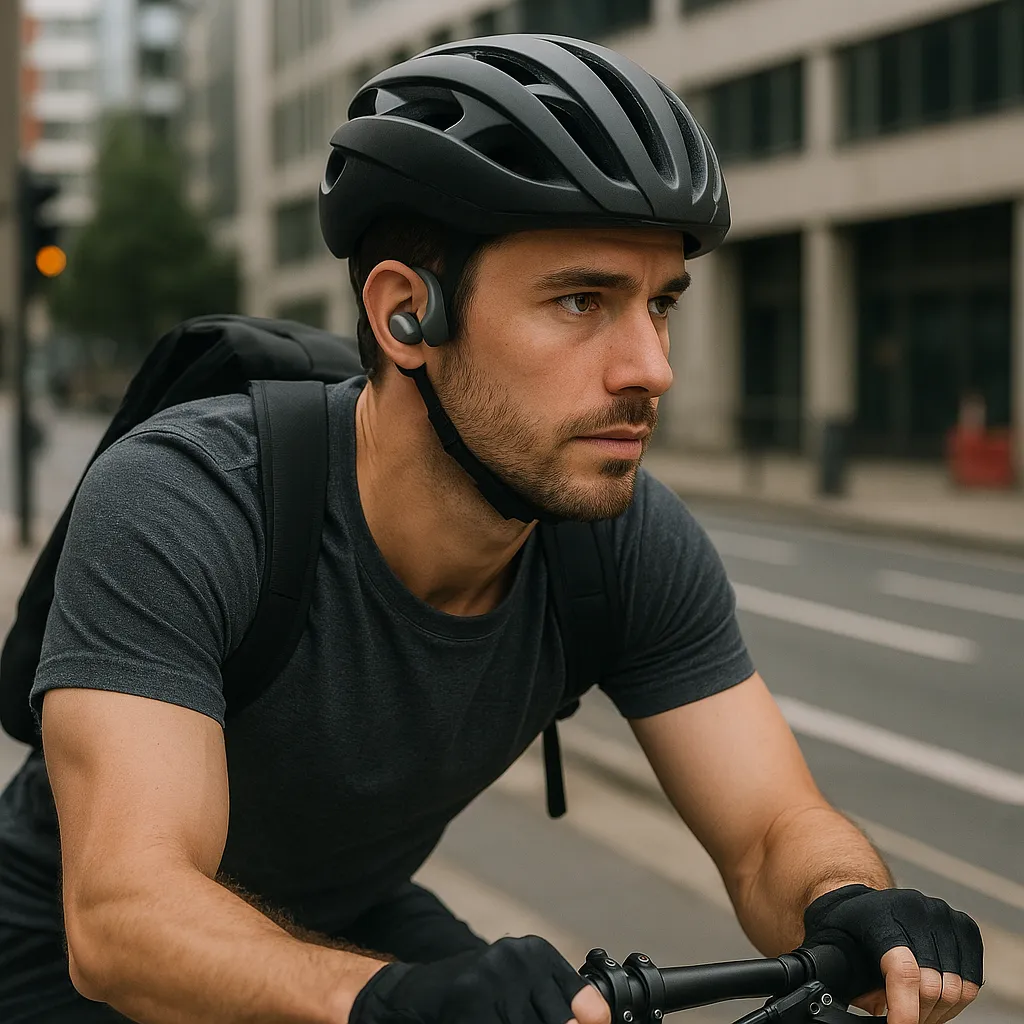
Bone conduction technology has emerged as the preferred audio solution for cyclists who need to maintain full awareness of their surroundings while accessing navigation instructions, music, or communication features. Unlike traditional headphones that block or cover the ears, bone conduction devices transmit sound through vibrations in the skull bones, leaving the ear canals completely open to ambient sound.
The safety advantages of bone conduction audio for cycling are substantial and well-documented. Cyclists using these devices can clearly hear approaching vehicles, emergency sirens, other cyclists, and environmental sounds that are crucial for safe navigation in traffic. This maintained situational awareness addresses one of the primary safety concerns associated with traditional headphones or earbuds, which can mask important audio cues that help cyclists avoid dangerous situations.
Modern bone conduction devices designed for cycling feature advanced noise cancellation and audio processing technologies that ensure clear communication and music playback even in windy conditions or noisy traffic environments. The latest models incorporate multiple microphones and sophisticated algorithms that can distinguish between desired audio content and environmental noise, providing optimal audio quality without compromising safety.
The comfort and stability of bone conduction devices have improved dramatically with recent technological advances. Lightweight materials, ergonomic designs, and secure mounting systems ensure that devices remain comfortable and stable during long rides or intense training sessions. Many models feature sweat-resistant and waterproof designs that can withstand the demanding conditions of serious cycling training and competition.
Integration with cycling-specific applications and services makes bone conduction audio particularly valuable for performance-oriented cyclists. These devices can provide real-time coaching feedback, navigation instructions, and performance updates through clear audio prompts that don’t interfere with the rider’s ability to hear traffic and environmental sounds. The hands-free operation ensures that cyclists can access this information without compromising their control of the bicycle or their attention to road conditions.
Wearable Airbag Technology: Revolutionary Safety Protection
The development of wearable airbag systems represents one of the most significant advances in cycling safety technology, offering protection levels that were previously impossible with traditional safety equipment. These sophisticated systems use advanced sensors, algorithms, and rapid inflation technologies to provide comprehensive protection for the rider’s torso, neck, and vital organs in the event of a crash or fall.
Modern wearable airbag systems incorporate multiple accelerometers, gyroscopes, and pressure sensors that continuously monitor the rider’s movement patterns and can detect the onset of a crash within milliseconds. The detection algorithms are sophisticated enough to distinguish between normal riding movements, including aggressive cornering and emergency braking, and actual crash scenarios that require airbag deployment.
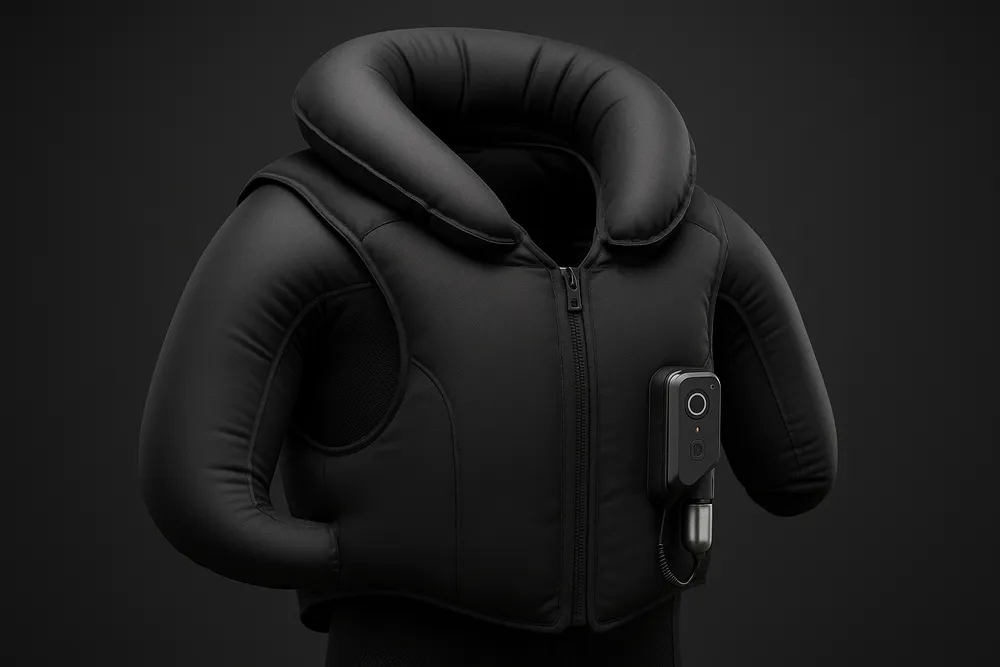
The inflation systems used in cycling airbags represent cutting-edge engineering that can deploy protective cushions in less than 100 milliseconds from the moment a crash is detected. This rapid response time is crucial for providing protection before the rider impacts the ground or other objects. The airbag systems are designed to provide protection for multiple impact scenarios, including frontal impacts, side impacts, and over-the-handlebars crashes that are common in cycling accidents.
The integration of wearable airbag systems with other cycling safety technologies creates comprehensive protection ecosystems that enhance overall rider safety. Many systems can communicate with smart helmets, bike computers, and emergency contact systems to provide coordinated safety responses that include automatic emergency notifications, location sharing, and medical information transmission to first responders.
The practical considerations of wearable airbag systems include weight, comfort, and ease of use factors that are crucial for widespread adoption. Modern systems are designed to be lightweight and unobtrusive during normal riding while providing maximum protection when needed. The systems typically feature rechargeable batteries that can operate for extended periods and include user-friendly interfaces for system monitoring and maintenance.
Smart Helmet Innovations: Beyond Basic Protection
Smart helmet technology has evolved far beyond traditional protective equipment to become sophisticated safety and communication platforms that integrate multiple advanced technologies. Modern smart helmets incorporate built-in cameras, LED lighting systems, communication devices, and sensor networks that provide comprehensive safety and performance monitoring capabilities.
The integrated camera systems in smart helmets serve multiple purposes, including ride documentation, safety monitoring, and evidence collection in the event of accidents or incidents. High-definition cameras can record both forward and rear views, providing complete documentation of riding conditions and traffic interactions. The footage can be automatically uploaded to cloud storage systems and shared with insurance companies or law enforcement when necessary.
Advanced lighting systems integrated into smart helmets provide superior visibility and communication capabilities compared to traditional bike lights. LED arrays can display turn signals, brake lights, and hazard warnings that are clearly visible to motorists and other road users. Some systems incorporate adaptive lighting that automatically adjusts brightness and patterns based on ambient light conditions and riding scenarios.
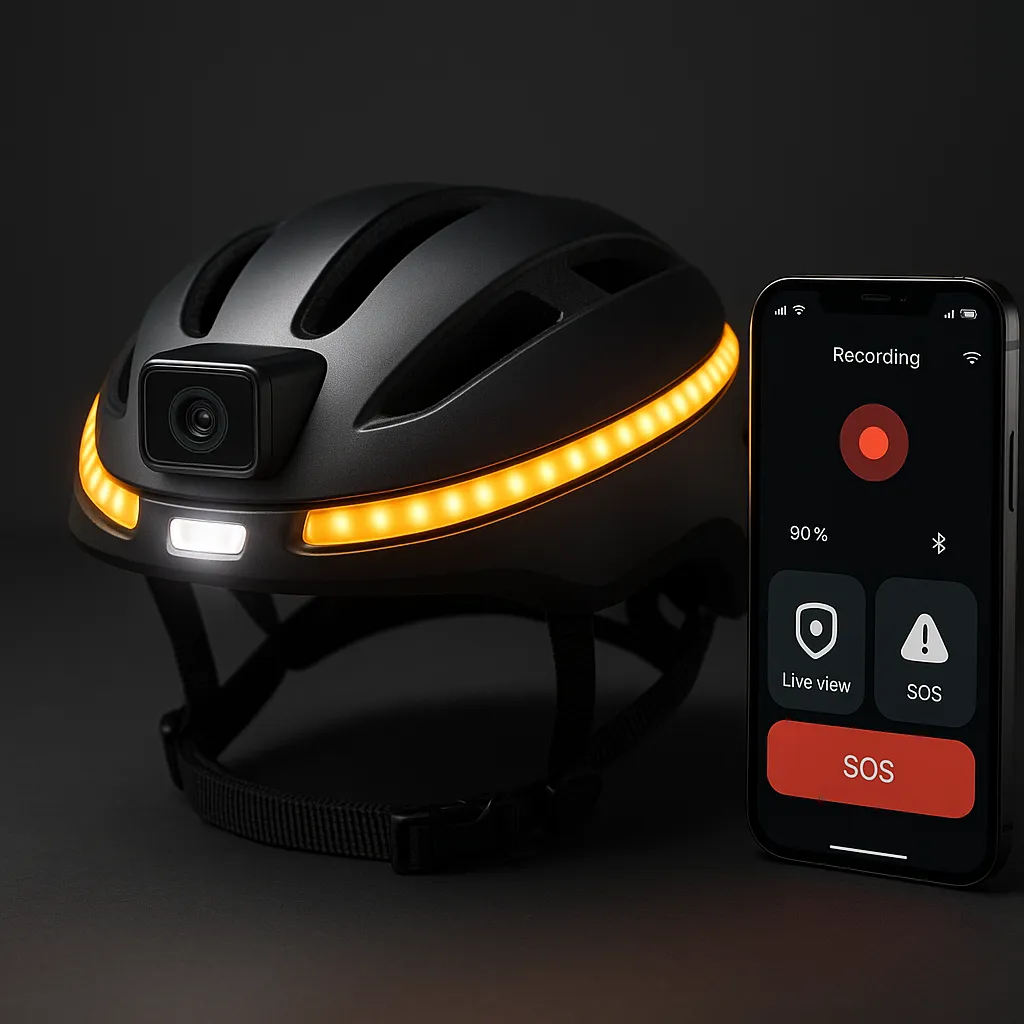
The communication capabilities of smart helmets enable seamless integration with smartphones, bike computers, and other cycling devices. Built-in speakers and microphones allow for hands-free phone calls, navigation instructions, and communication with other riders in group settings. The audio systems are designed to provide clear communication while maintaining awareness of environmental sounds.
Emergency response features in smart helmets can automatically detect crashes and initiate emergency protocols including location sharing, emergency contact notification, and medical information transmission. These systems can significantly reduce response times in serious accidents and provide crucial information to first responders about the rider’s condition and medical history.
Fitness Tracking Integration and Performance Monitoring
The integration of wearable technology with comprehensive fitness tracking and performance monitoring systems has created unprecedented opportunities for cyclists to optimize their training and performance. Modern wearable devices can monitor heart rate, power output, cadence, speed, and numerous other metrics while providing real-time feedback and long-term trend analysis.
Advanced heart rate monitoring in wearable devices goes beyond simple pulse tracking to provide detailed analysis of heart rate variability, recovery metrics, and training zone optimization. This information helps cyclists optimize their training intensity, monitor recovery status, and prevent overtraining that can lead to injury or performance decline. The real-time feedback capabilities allow for immediate training adjustments based on physiological responses.
Power measurement integration in wearable devices provides cyclists with access to the most accurate performance metrics available. When combined with smart glasses or audio feedback systems, power data can be monitored continuously without requiring riders to look down at traditional bike computers. This seamless integration enables more effective training and pacing strategies during both training rides and competitive events.
The GPS and navigation capabilities of modern wearable devices provide precise location tracking, route planning, and performance analysis that enhances both safety and training effectiveness. Advanced systems can provide turn-by-turn navigation through audio or visual prompts while simultaneously tracking performance metrics and environmental conditions. This integration eliminates the need for multiple devices and simplifies the cycling experience.
Long-term data analysis capabilities in wearable fitness systems provide valuable insights into training progress, performance trends, and health indicators that can inform training decisions and lifestyle choices. The ability to track metrics over months and years helps cyclists identify patterns, optimize training programs, and make informed decisions about equipment, nutrition, and recovery strategies.
Connectivity and Ecosystem Integration
The true power of modern cycling wearable technology lies in its ability to integrate seamlessly with broader technology ecosystems that include smartphones, bike computers, training applications, and cloud-based services. This connectivity creates comprehensive cycling platforms that provide unprecedented insight and control over the cycling experience.
Smartphone integration enables wearable devices to access cellular connectivity, advanced processing power, and extensive application ecosystems while maintaining the specialized functionality required for cycling applications. This integration allows for real-time data sharing, social media connectivity, and access to online services that enhance the cycling experience without requiring separate data plans or complex device management.
The integration with popular cycling applications and platforms such as Strava, TrainingPeaks, and Zwift creates seamless workflows that automatically capture, analyze, and share cycling data. This integration eliminates the need for manual data transfer and ensures that all cycling activities are properly documented and analyzed for training and performance optimization purposes.
Cloud-based data storage and analysis services provide secure backup of cycling data while enabling advanced analytics that would be impossible on individual devices. These services can identify trends, provide personalized recommendations, and enable comparison with other cyclists in similar categories or geographic regions. The cloud integration also enables data access across multiple devices and platforms.
The development of open standards and protocols for cycling wearable devices is enabling greater interoperability and reducing the vendor lock-in that has historically limited consumer choice. These standards allow cyclists to mix and match devices from different manufacturers while maintaining full functionality and data integration across their technology ecosystem.
Safety Considerations and Best Practices
While wearable technology offers significant safety benefits for cyclists, proper use and understanding of limitations are crucial for maximizing these benefits while avoiding potential risks. The integration of technology with cycling requires careful consideration of distraction factors, device reliability, and emergency preparedness to ensure that technology enhances rather than compromises safety.
The potential for distraction from wearable devices must be carefully managed through proper configuration and disciplined use practices. Smart glasses and audio devices should be configured to provide essential information without overwhelming the rider with unnecessary data or notifications. Training and practice with new devices in safe environments is essential before using them in traffic or challenging riding conditions.
Device reliability and battery management are critical safety considerations for cyclists who depend on wearable technology for navigation, communication, or emergency response capabilities. Backup systems, regular maintenance, and understanding of device limitations ensure that technology failures don’t create dangerous situations. Regular testing of emergency features and communication systems is essential for ensuring proper operation when needed.
The legal and regulatory considerations surrounding wearable cycling technology vary by jurisdiction and continue to evolve as these technologies become more widespread. Cyclists must understand local laws regarding audio devices, camera systems, and communication equipment to ensure compliance while maximizing the safety benefits of their wearable technology.
Privacy and data security considerations are increasingly important as wearable devices collect and transmit detailed information about cycling activities, locations, and personal health metrics. Understanding data collection practices, privacy settings, and security features helps cyclists make informed decisions about device use and data sharing while protecting their personal information.
Market Analysis and Consumer Adoption Trends
The cycling wearable technology market has experienced explosive growth in 2025, with consumer adoption rates exceeding industry projections and driving continued innovation and competition among manufacturers. Market research indicates that safety concerns, performance optimization desires, and convenience factors are the primary drivers of consumer adoption in this rapidly expanding market segment.
Price points for cycling wearable technology have become increasingly accessible, with entry-level devices offering substantial functionality at prices comparable to traditional cycling accessories. Premium devices continue to command higher prices but offer advanced features and integration capabilities that justify the investment for serious cyclists and technology enthusiasts.
Consumer preferences are showing clear trends toward devices that offer multiple functions and seamless integration rather than single-purpose gadgets. The most successful products combine safety features, performance monitoring, and convenience functions in unified platforms that simplify the cycling experience while providing comprehensive functionality.
The demographic analysis of wearable technology adoption shows strong uptake across all age groups and cycling disciplines, with particularly high adoption rates among commuter cyclists and competitive athletes. The technology is proving equally popular among urban cyclists concerned with safety and rural cyclists interested in performance optimization and navigation capabilities.
Retail and distribution channels for cycling wearable technology are evolving rapidly, with traditional bike shops, online retailers, and technology stores all competing for market share. The most successful retailers are those that provide comprehensive education, demonstration opportunities, and ongoing support for these sophisticated devices.
Future Developments and Emerging Technologies
The future of cycling wearable technology promises even more sophisticated capabilities and seamless integration as emerging technologies mature and become commercially viable. Artificial intelligence and machine learning capabilities are being integrated into wearable devices to provide predictive analytics, personalized recommendations, and adaptive functionality that learns from individual usage patterns.
Augmented reality integration represents the next frontier for cycling wearable technology, with advanced systems capable of overlaying digital information directly onto the rider’s view of the real world. These systems could provide enhanced navigation, hazard identification, and performance visualization that goes far beyond current display technologies.
Advanced materials and manufacturing techniques are enabling the development of more comfortable, durable, and lightweight wearable devices that can withstand the demanding conditions of serious cycling while providing enhanced functionality. Flexible electronics, advanced polymers, and nanotechnology are contributing to devices that are virtually unnoticeable during use while providing sophisticated capabilities.
The integration of health monitoring capabilities beyond basic fitness metrics is enabling wearable devices to provide comprehensive health insights that can inform training decisions, identify potential health issues, and optimize overall wellness. Advanced sensors can monitor hydration levels, stress indicators, and recovery metrics that provide valuable insights for serious athletes and recreational cyclists alike.
Sustainability considerations are driving the development of more environmentally friendly wearable technologies that use recycled materials, renewable energy sources, and design approaches that minimize environmental impact throughout the product lifecycle. These considerations are becoming increasingly important to environmentally conscious cyclists who want their technology choices to align with their values.
Conclusion
The evolution of cycling wearable technology in 2025 represents a fundamental transformation in how cyclists interact with technology, access information, and maintain safety on the road. The competition between smart glasses and bone conduction audio systems is driving rapid innovation that benefits all cyclists through improved functionality, reduced costs, and enhanced safety features.
The integration of wearable airbag technology, smart helmets, and comprehensive fitness monitoring systems creates unprecedented opportunities for cyclists to optimize their performance while maintaining the highest levels of safety. These technologies are not merely incremental improvements but represent paradigm shifts that are making cycling safer, more efficient, and more enjoyable for riders of all levels.
As we look toward the future, the continued evolution of cycling wearable technology promises even greater advances in safety, performance, and convenience. The integration of artificial intelligence, augmented reality, and advanced materials will create new possibilities that we can only begin to imagine today.
For cyclists considering adoption of wearable technology, the current market offers compelling options that provide immediate benefits in safety, performance, and convenience. The investment in quality wearable devices represents not just an upgrade in cycling equipment but a fundamental enhancement of the cycling experience that pays dividends in safety, performance, and enjoyment.
The cycling wearable technology revolution is ultimately about empowering cyclists to achieve their goals while maintaining the highest levels of safety and situational awareness. As these technologies continue to evolve and improve, they will play an increasingly important role in making cycling more accessible, safer, and more rewarding for riders around the world.
For more insights on cycling and technology, explore our comprehensive guides on Tech Tips for Modern Cyclists, Cycling Training Optimization Strategies, Bike Fitness and Nutrition Integration, Featured Riders Using Advanced Technology, and Olympics Technology and Performance Analysis.
Explore additional resources on Smart Glasses vs Bone Conduction: Cycling Audio Safety Comparison, Top Cycling Wearable Airbags Companies Market Analysis, 6 Wearable Technologies You Must Know Right Now, The Soul of Cycling: Technology Integration Analysis, and Connected E-Bike Features 2025: GPS to Theft Alerts.