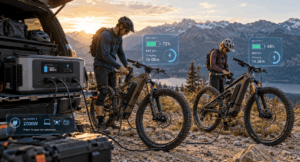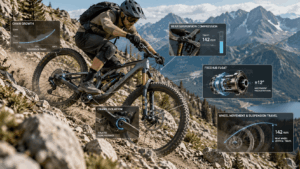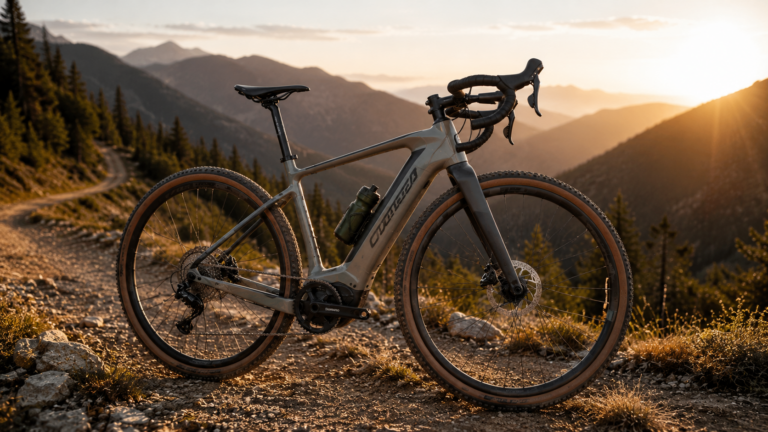
Electric gravel bikes have evolved rapidly, and 2026 marks a turning point in design philosophy. Manufacturers are now focusing on reducing overall system weight while maintaining power output and battery efficiency. The emerging benchmark is the sub-15kg e-gravel bike.This shift is redefining adventure cycling by combining traditional gravel performance with lightweight electric assistance that feels natural rather than overpowering.
Why Weight Reduction Matters
Earlier e-gravel bikes often exceeded 18–20kg, making them heavy on climbs and less responsive on technical terrain. New motor systems and carbon integration now allow significantly lighter builds without sacrificing torque.
Riders benefit from improved handling, faster acceleration, and better off-bike portability.
Key Technologies Driving the Change
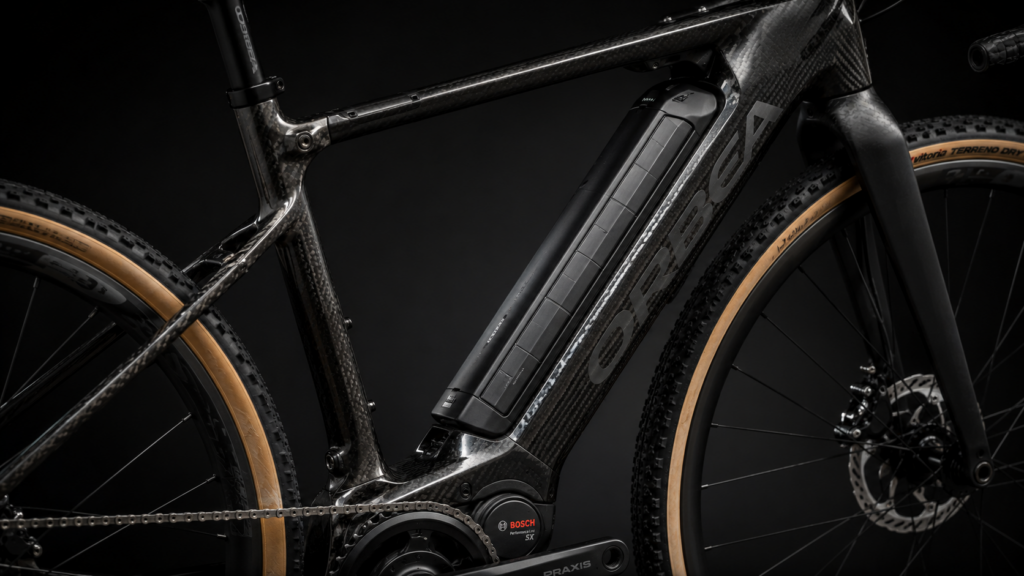
- Compact mid-drive motors with high torque density
- Integrated carbon fiber battery housings
- Smart power management systems
- Regenerative energy recovery in select models
Brands like Specialized, Canyon, and Trek are leading development in lightweight e-bike systems.
Riding Experience Improvements
Modern lightweight e-gravel bikes feel closer to traditional gravel bikes but with added endurance support. This makes them ideal for long-distance riders, bikepackers, and mixed-terrain explorers.
For related performance insights, see our guide on gravel bike technology trends.
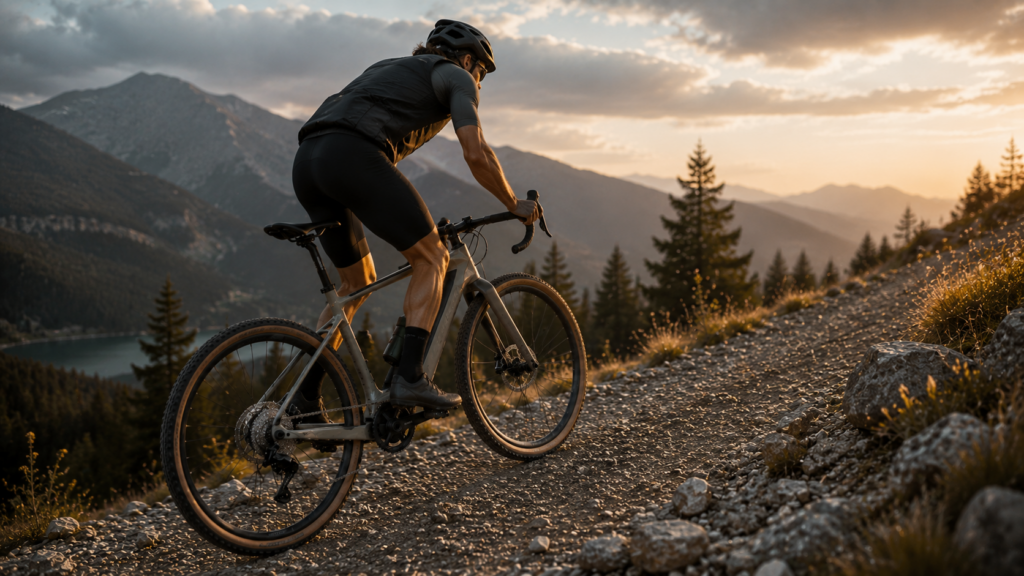
The Future of E-Gravel Bikes
Future systems will likely reduce weight further while increasing battery density. AI-assisted motor output tuning will also help extend range based on terrain and rider fatigue.