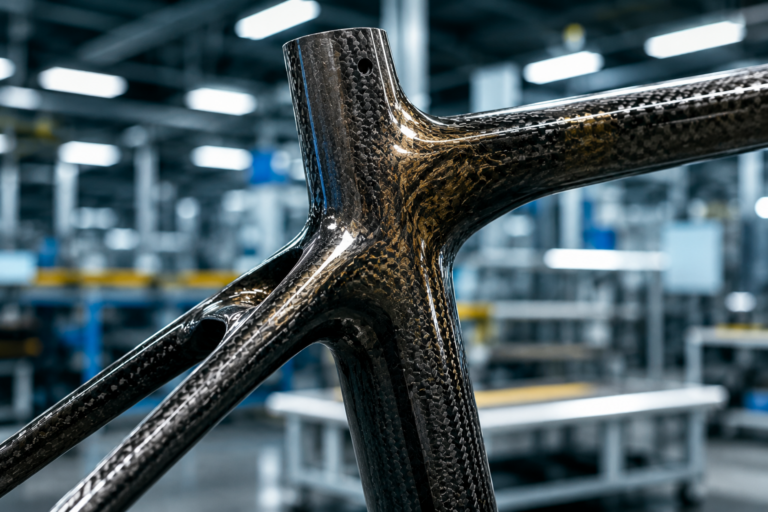
In 2026, cycling is evolving toward sustainability. Modern manufacturers are introducing bio-resins, recycled alloys, and eco-conscious production methods to reduce the environmental footprint of bicycles. These innovations address both manufacturing processes and end-of-life recyclability, ensuring bikes remain high-performing and environmentally responsible.
Bio-Resins: Lightweight & Eco-Friendly Composites
Bio-resins, derived from natural sources like plant oils, replace traditional petroleum-based epoxies in carbon fiber frames. These resins reduce CO2 emissions during production while maintaining high stiffness and durability. Cyclists enjoy the same lightweight performance with a greener conscience.
Leading brands like Trek and Specialized are pioneering bio-resin frames. For detailed carbon fiber insights, check our post on Gravel Bike Technology 2026.
Recycled Alloys: Strong, Lightweight, and Sustainable
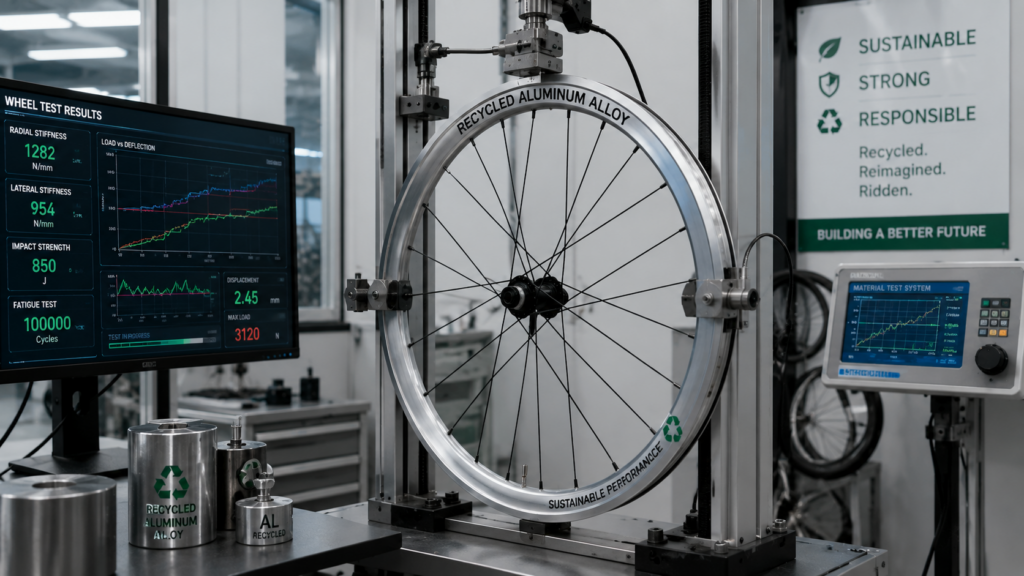
Aluminum and titanium alloys produced from recycled metals are increasingly common in bike frames and components. Recycled aluminum consumes 95% less energy than primary aluminum production, drastically reducing carbon emissions. Advanced metallurgical processes now produce recycled alloys with superior strength-to-weight ratios, making them ideal for high-performance road and gravel bikes.
See our coverage of Smart Bikepacking Systems 2026 to explore how lightweight components enhance multi-day adventure rides.
Eco Manufacturing Practices
Eco-conscious bike production combines energy-efficient machinery, closed-loop water systems, and low-VOC coatings. Factories now leverage 3D printing and additive manufacturing to reduce material waste. These processes not only cut emissions but also improve customization, giving riders tailored geometry and lightweight components.
End-of-Life Recyclability
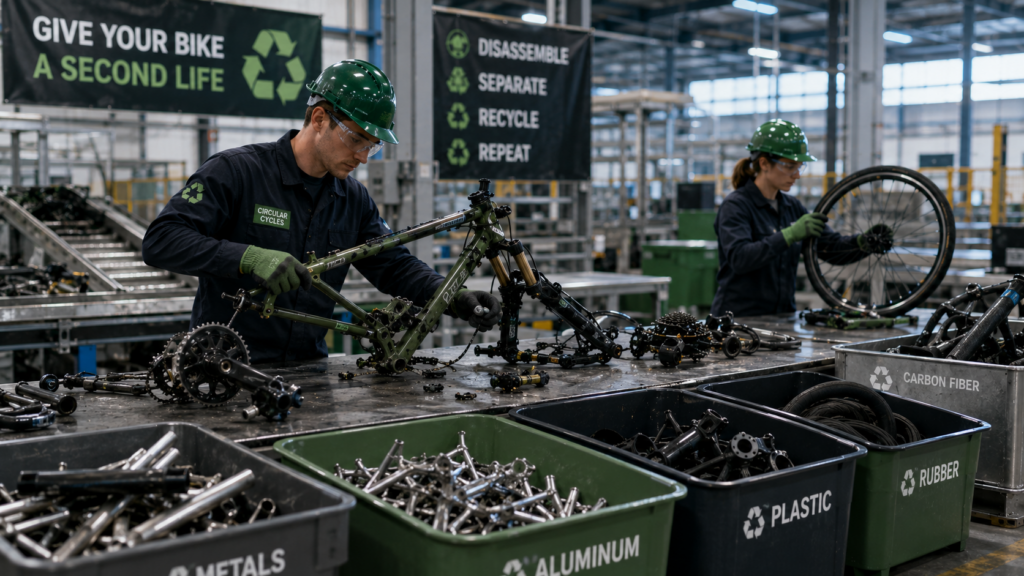
High-end manufacturers now design bikes for disassembly. Aluminum, titanium, and certain bio-composites can be recycled efficiently, while modular design allows replacing worn components without scrapping entire frames. This strategy maximizes product lifespan and minimizes landfill waste.
Performance Meets Sustainability
Sustainable bikes no longer compromise performance. Riders enjoy lightweight frames, durable components, and responsive handling while embracing green technologies. Adaptive materials, bio-resins, and recycled alloys now match or exceed traditional materials in strength, stiffness, and ride quality.
Internal link: For insights on how advanced bike tech improves ride performance, see Gravel Bike Technology 2026.
Conclusion
The cycling industry in 2026 is merging high performance with environmental responsibility. Bio-resins, recycled alloys, eco-conscious manufacturing, and recyclable components mark a new era for sustainable bikes. Riders can now enjoy cutting-edge performance while reducing their carbon footprint and supporting eco-friendly innovations.