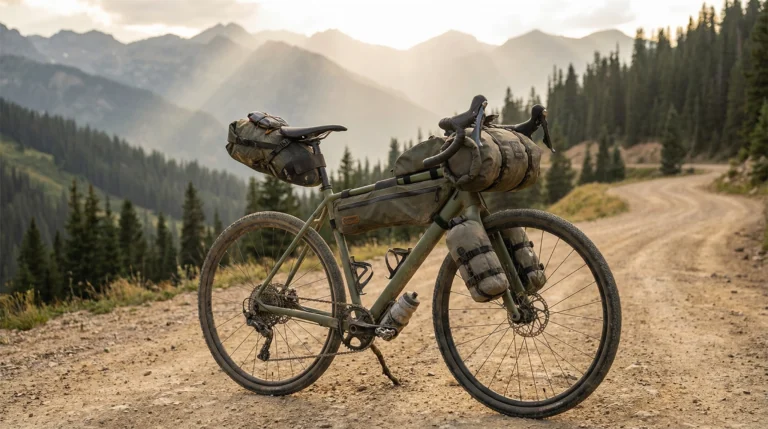
The Evolution of Bikepacking Gear Trends in 2026
For some bikepackers, dialing in their packing setup is part of the fun. For others, it is a frustrating obstacle on the road to adventure. Love it or hate it, there is no way around it. We all need to outfit our rigs to carry our stuff securely and sensibly before we pedal off into the great unknown. In 2026, bikepacking gear trends are shifting dramatically toward systems that adapt to the rider, rather than forcing the rider to adapt to the gear.
As bikepacking moves further toward the mainstream, we see a wider variety of people looking to make it their own. They want solitude and adventure away from busy roads, they want to carry enough stuff to be safe and relatively comfortable, and they want to do it on a wide variety of bikes. Many modern off-road-capable bikes have limited bag space thanks to smaller frame triangles, 29er wheels, and dropper seatposts. Fortunately, modern bikepacking gear is reducing the number of compromises you have to make, much like the advancements seen in gravel bike suspension technology.
Rackpacking is Still on the Rise
The best way to carry more gear on a bike is and always has been a rack. Until recently, cyclists with capacity problems and bikes without rack mounting eyelets were mostly out of luck. Racks and panniers were for touring: riding pavement and light gravel using rigid bikes with mounts in all the right places. Soft, rackless bikepacking bags were designed with rugged, off-pavement riding in mind. They are lighter and more streamlined than racks and panniers, mountable on almost any bike, and less likely to break.
Enter the universal-mount rack. These magical cargo carriers attach to any bike without eyelets by mounting to a special axle, or sometimes seat stays or fork blades. The concept opens the door to reliable, copious cargo space on the bikes we already love to ride, from full-suspension mountain bikes to carbon road bikes. The Old Man Mountain Divide, Tailfin CargoPack, and Aeroe Spider were universal mount pioneers, each with a different approach to style, weight, cost, and bag compatibility.
Now, newer additions to the category such as the Mica Rat Tail, mountain bike-friendly sizes of Ortlieb’s Quick-Rack, and Restrap’s brand new Switch Rack give riders even more options to choose from. Looking at the BikepackBaggregator setups collection, most off-pavement setups use at least one rack. That is a huge change from roughly five years ago, when the industry was all-in on soft bags. Now bikepacking has come full circle back to racks, or more accurately spiraled forward toward a wide range of more refined options.
Cargo Cage Racks Come into their Own
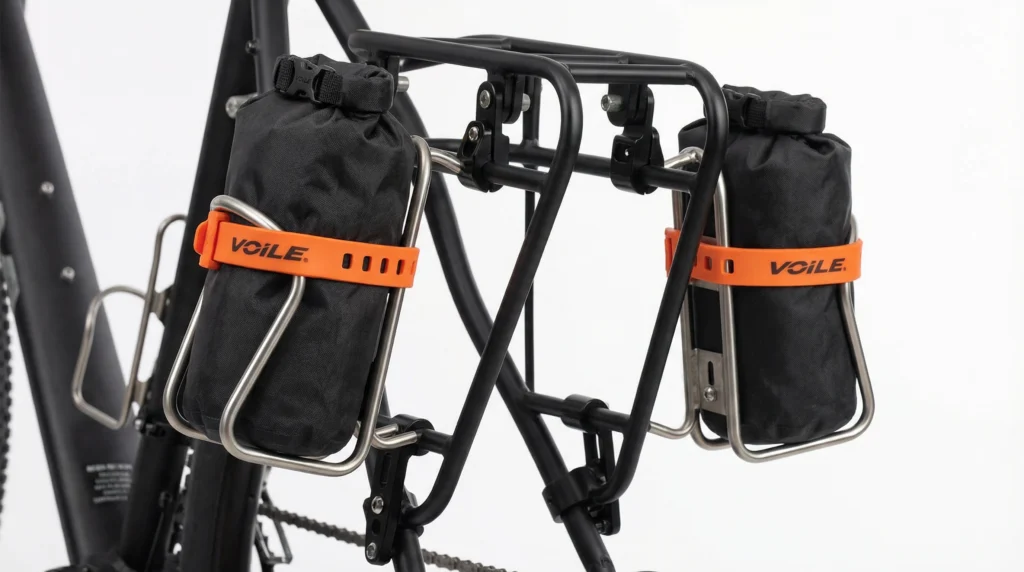
If there is one type of rack currently ascendant in the bikepacking realm, it is the cargo cage rack. Instead of pannier rails, these minimalist racks sport 3-pack mounts on their uprights, the same system used to attach cages to fork blades. This means you can mix and match between the front and back of your bike, potentially running four sets of cage plus straps plus dry bag in various sizes with plenty of versatility for ride-specific tweaks.
Cargo cage racks have picked up steam over the last few years, starting with offerings from Tumbleweed and Tailfin. Old Man Mountain’s Elkhorn marked a breakthrough into the bikepacking mainstream. In 2026 we already have the intriguingly minimalist Restrap Switch Rack, and more likely on the way. Strap on a couple of 5-liter dry bags, plus another 8 to 10 liters on the deck, and you have nearly 20 liters of stable, dropper-post-friendly capacity.
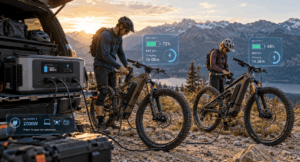
This is substantially more than a seat bag, but smaller and more streamlined than most panniers. Bikepacking-friendly mini panniers are proliferating, too, but most of them strap to pannier rails in ways that are fiddly to get on and off. Fork bags, by contrast, are quick to mount and remove, and getting even quicker. This modular approach is becoming as essential as solid-state battery technology is for modern e-bikes.
Goodbye to Constant Strap Cinching
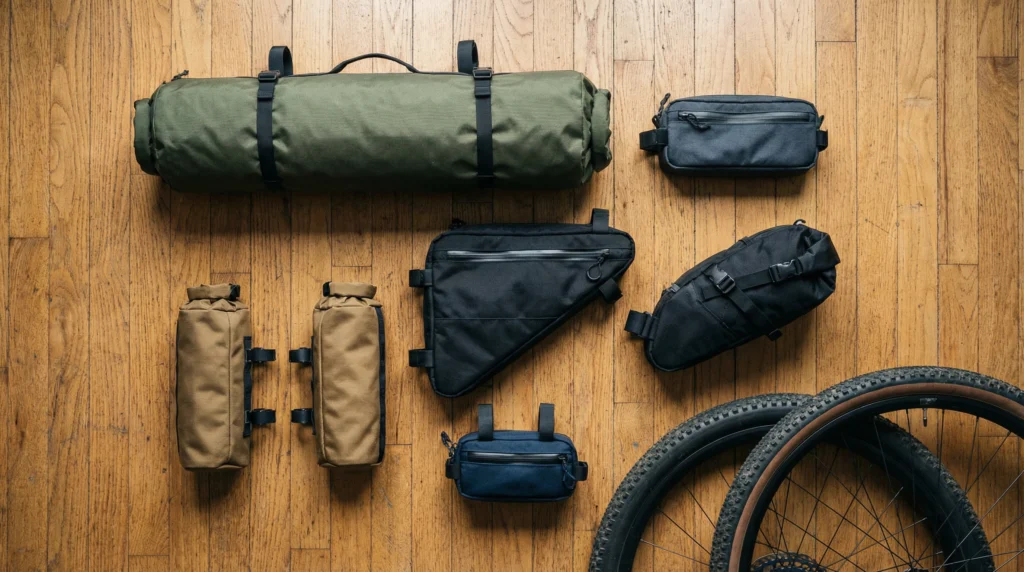
Bikepackers worship the versatile Voile strap with good reason. A collection of durable dry bags in a few sizes, plus the necessary straps and cargo cages, can cover nearly every part of the bike. But it is possible to have too much of a good thing: all that buckling, cinching, and tail tucking can add annoyance to daily life on the road. Fortunately, gear makers have come to our rescue with two new subcategories of strap-free, purpose-built dry bags designed for specific spots on the bike: quick-release fork bags and dedicated rack top bags.
Instead of the typical dry bag strapped to a cargo cage, a quick-release fork bag clips to a mounting plate bolted directly to 3-pack mounts on a fork blade or cargo cage rack. It is the bag and cage all in one, meaning no more fussing with straps. Quick-release fork bags offer more than just convenience. They are stable without being stuffed full, so you will not struggle to keep them secure as your food supply dwindles. You also never have to worry about crushing potato chips or smushing your avocado while cinching straps.
Prior to 2025, this category was small, featuring a couple of premium bags by Tailfin and Ortlieb and a budget-friendly option from Rhinowalk. Now, the market is expanding rapidly, with brands like Bikepacking.com highlighting these innovations in their Gear of the Year awards. This evolution in convenience mirrors the advancements we are seeing in pedal technology and innovations, where user experience is paramount.
Quality of Life Improvements for Adventure Cycling
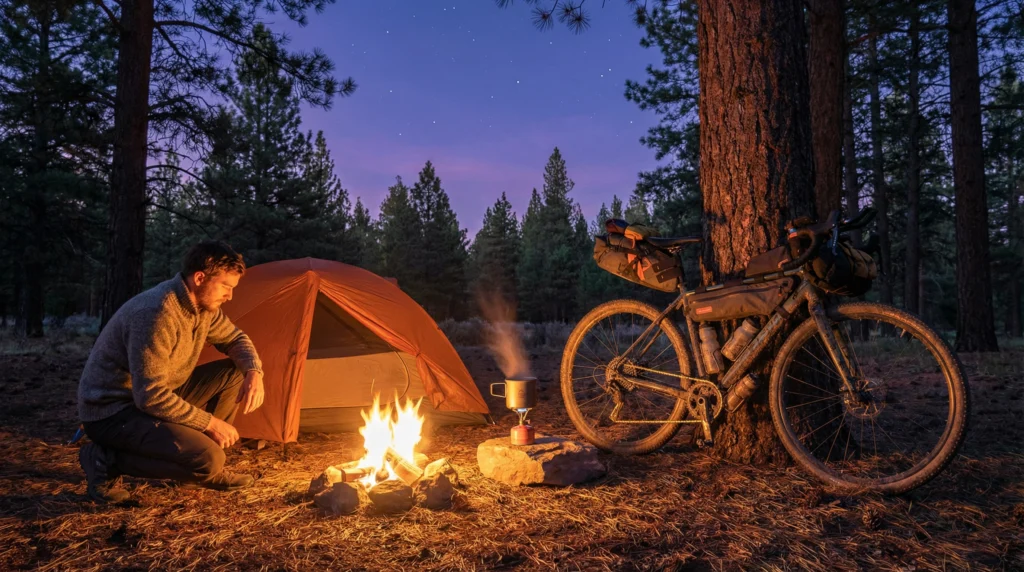
Many of bikepacking’s recent gear trends also involve what we call quality of life improvements. Easy, frustration-free cargo access saves time and energy, both physical and mental, for the miles ahead. This does not mean bikepackers are lazy. Far from it! It makes us a bit faster and more efficient, better equipped to tackle routes at the edge of our comfort zone, or simply, and importantly, just happier.
As we look ahead, the integration of these systems will only become more seamless. Whether you are planning a weekend overnighter or a month-long expedition, the gear available in 2026 allows you to focus more on the ride and less on the packing. The Cycling About buyer’s guides consistently point out that the best gear is the gear you do not have to think about while riding.
Ultimately, the goal of all these innovations is to get more people out exploring the world by bike. With universal racks, quick-release bags, and modular cargo systems, the barrier to entry has never been lower. As highlighted by Outdoor Gear Lab, the right equipment can transform a grueling sufferfest into an unforgettable adventure. So load up your rig, double-check your disc brake technology, and hit the trail with confidence.