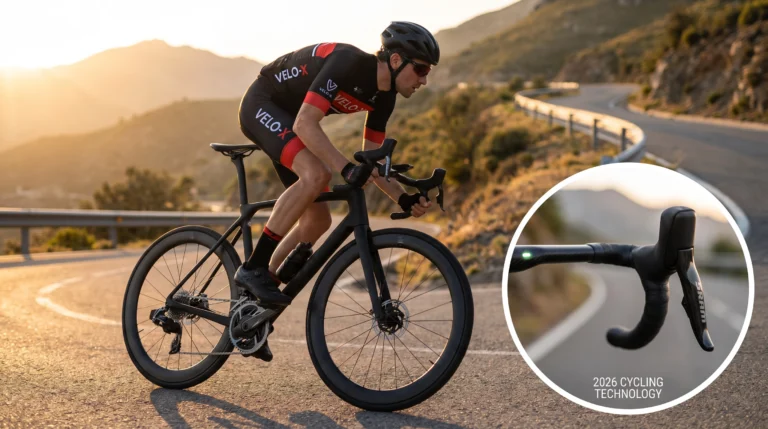
In 2026, the cycling industry is witnessing a profound transformation in how riders shift gears. Wireless electronic drivetrains are rapidly becoming the standard on mid- to high-end road bikes, replacing mechanical systems that dominated for decades. This shift represents more than just technological progress—it reflects a fundamental change in how modern cyclists expect their bikes to perform, feel, and integrate with their training data.
The transition from mechanical to electronic shifting, and now toward fully wireless systems, marks a pivotal moment in cycling technology. Professional cyclists have relied on electronic shifting for years, but in 2026, this technology has finally become accessible to performance-oriented amateur riders. Whether you’re considering an upgrade or simply curious about what’s driving this industry shift, understanding wireless electronic drivetrains is essential to making informed decisions about your next bike.
Why Wireless Electronic Drivetrains Are Becoming the Standard
The rise of wireless electronic drivetrains isn’t accidental. Multiple factors are converging to make this technology the default choice for premium road bikes in 2026:
Superior Shifting Precision and Consistency
Unlike mechanical cable systems, which suffer from cable stretch, friction, and environmental degradation, electronic drivetrains deliver consistent, precise shifts every single time. Once properly configured, your bike’s shifting performance remains stable regardless of weather conditions, dirt accumulation, or riding intensity. This reliability is especially critical for racers and long-distance cyclists who depend on flawless gear changes during crucial moments.
The mechanical advantage is undeniable. Mechanical systems require periodic cable tension adjustments and derailleur tuning, particularly after exposure to rain, mud, or salt. Electronic systems eliminate this maintenance burden entirely. Your shifts stay crisp and accurate for thousands of miles without manual intervention.
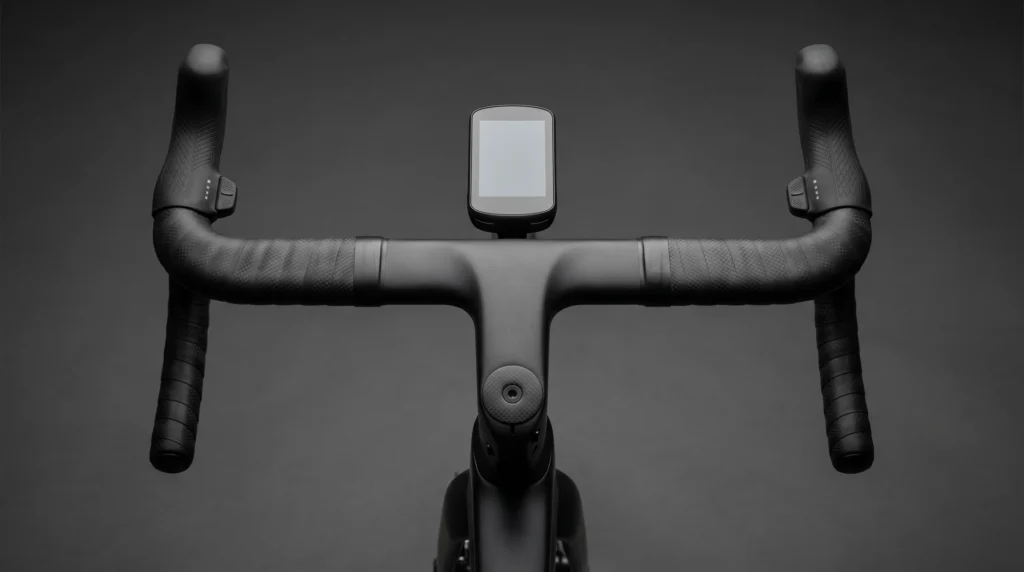
Cleaner Cockpit Design and Aerodynamic Benefits
Wireless technology enables manufacturers to design bikes with completely cable-free cockpits. This isn’t merely aesthetic—it’s a significant engineering advantage. Traditional mechanical systems require routing shift cables through the frame, headset, and handlebars, which complicates frame design and creates potential aerodynamic drag.
With fully wireless systems, frame designers have unprecedented freedom to optimize tube shapes, integrate components seamlessly, and reduce overall weight. The result is cleaner lines, improved aerodynamics, and bikes that look as refined as they perform. This design revolution is particularly evident in the latest generation of road bike geometry and frame design trends, where integrated cockpits have become the norm.
App-Based Customization and Performance Tuning
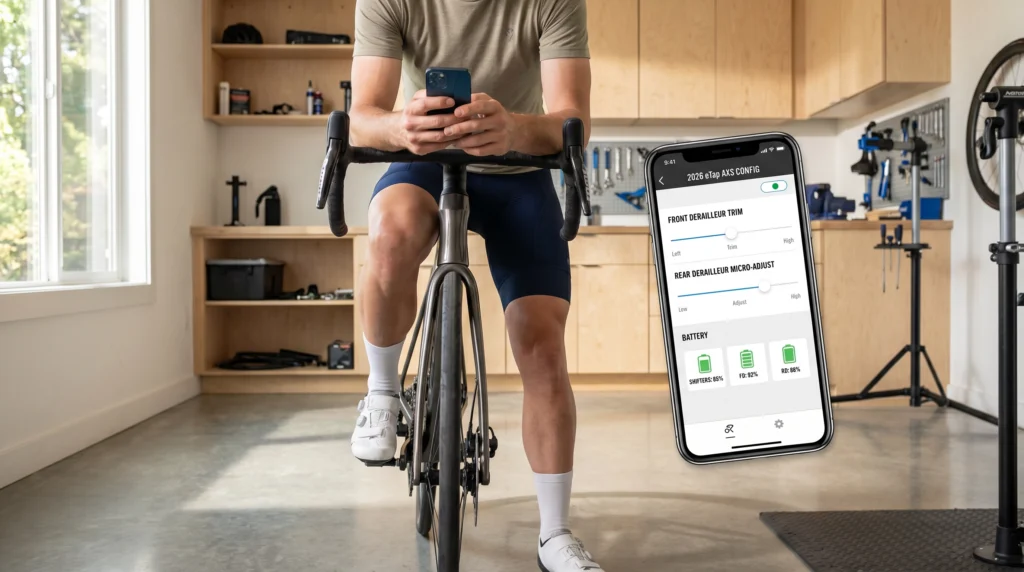
Modern wireless electronic drivetrains connect to smartphone apps, allowing riders to customize shifting behavior, adjust trim positions, and monitor battery levels in real-time. This level of personalization was unimaginable with mechanical systems. You can fine-tune how aggressively your derailleurs shift, program multi-shift sequences, and even adjust shift speed to match your riding style.
This connectivity also provides valuable performance data. Battery status, shift history, and component diagnostics are all accessible through dedicated apps. For serious cyclists, this information helps optimize training and identify potential issues before they become problems on the road.
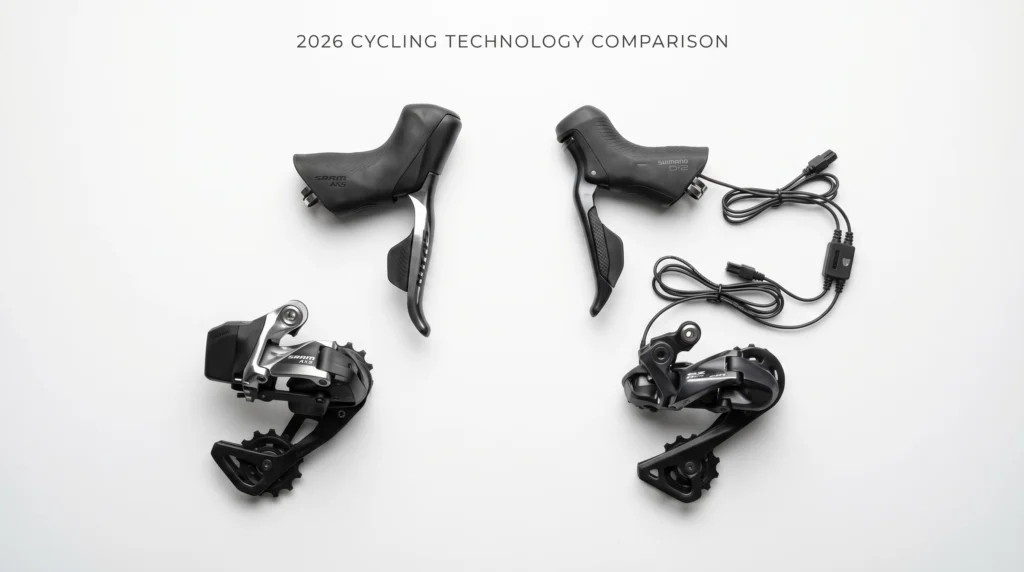
SRAM AXS vs. Shimano Di2: The Two Dominant Platforms
In 2026, two wireless electronic drivetrain systems dominate the market: SRAM AXS and Shimano Di2. Understanding the differences between these platforms is crucial for anyone considering an electronic drivetrain upgrade.
SRAM AXS: Fully Wireless Architecture
SRAM’s AXS platform represents the purest wireless implementation. Each component—shifters, front derailleur, and rear derailleur—communicates wirelessly with individual batteries. There are no shift cables whatsoever. This design philosophy offers several advantages:
- Absolute cable freedom: No cables means maximum design flexibility and cleaner aesthetics
- Universal compatibility: AXS components work across different price tiers and can be mixed and matched
- Intuitive app control: The SRAM app provides comprehensive customization options
- Proven reliability: AXS has been tested extensively in professional racing since its introduction
The trade-off is that AXS systems require battery management for multiple components. However, battery life is impressive—typically 100+ hours between charges—making this a minor inconvenience for most riders.
Shimano Di2: Semi-Wireless Evolution
Shimano’s Di2 platform takes a different approach. While newer generations are moving toward fully wireless architecture, current Di2 systems typically use a thin wiring harness connecting components, with wireless communication to shifters. This hybrid approach offers:
- Proven track record: Di2 has been refined over more than a decade
- Extensive dealer support: Shimano’s massive distribution network makes service accessible worldwide
- Competitive pricing: Di2 systems often cost less than equivalent AXS setups
- Long battery life: Shimano’s battery technology delivers exceptional longevity
The primary limitation is that Di2 still relies on some wiring, which slightly complicates frame design compared to fully wireless systems. However, Shimano is actively developing more wireless options, and the gap between the two platforms continues to narrow.
Battery Life and Charging: Practical Considerations
One common concern about electronic drivetrains is battery management. In reality, this is rarely a practical issue:
- Exceptional longevity: Both SRAM AXS and Shimano Di2 batteries last 100-200+ hours of riding between charges
- Simple charging: Most systems charge via USB in 60-90 minutes
- Battery indicators: App-based monitoring alerts you well before depletion
- Backup capability: Even with depleted batteries, most systems can still shift manually in emergency situations
For the vast majority of riders, charging your drivetrain battery is as routine as charging your cycling computer or smartphone. It’s a minor responsibility that’s easily managed with basic planning.
The Price-to-Performance Equation
Wireless electronic drivetrains command a premium over mechanical systems. A complete SRAM AXS or Shimano Di2 groupset costs significantly more than mechanical alternatives. However, the value proposition has improved dramatically:
- Reduced maintenance costs: Fewer adjustments mean lower long-term service expenses
- Improved longevity: Electronic components last longer due to precise, consistent operation
- Enhanced resale value: Bikes equipped with electronic drivetrains command higher prices on the used market
- Performance gains: Faster, more reliable shifting can translate to real performance improvements
For riders investing in mid- to high-end bikes, electronic drivetrains represent excellent value. For budget-conscious cyclists or those prioritizing simplicity, mechanical systems remain viable and will continue to dominate entry-level bikes.
Integration with Modern Cycling Technology
Wireless electronic drivetrains don’t exist in isolation. They’re part of a broader ecosystem of connected cycling technology. Integration with cycling power meters and training metrics creates comprehensive performance monitoring systems. Your drivetrain data combines with power, cadence, heart rate, and other metrics to provide complete training insights.
This connectivity also enables features like automatic shifting based on terrain or power output. Some advanced systems can suggest optimal gear selection in real-time, helping riders maintain ideal cadence and power output without conscious thought. This technology is particularly valuable for aerodynamic cycling optimization and racing applications.
Professional Adoption and Industry Momentum
Professional cycling provides a clear indicator of where technology is headed. In 2026, electronic shifting dominates WorldTour racing. Teams choose wireless systems specifically for their reliability, precision, and integration capabilities. What’s happening at the professional level inevitably trickles down to consumer products within a few years.
This professional validation has accelerated consumer adoption. Riders see their favorite pros using wireless electronic drivetrains and want the same technology. Manufacturers respond by expanding electronic options across price tiers, making this technology increasingly accessible.
Mechanical Systems: Still Relevant in 2026
Despite the rapid rise of electronic shifting, mechanical drivetrains remain relevant and popular, particularly for:
- Budget-conscious buyers: Mechanical systems cost significantly less
- Remote touring: Mechanical systems are easier to service in remote locations
- Simplicity enthusiasts: Some riders prefer mechanical systems’ straightforward operation
- Entry-level bikes: Most bikes under $1,500 still use mechanical shifting
Mechanical drivetrains have been refined to excellent levels of reliability and performance. They’re not obsolete—they’re simply becoming specialized choices rather than universal defaults.
Should You Upgrade to Wireless Electronic Drivetrains?
The decision depends on your riding priorities and budget:
Upgrade if you:
- Race or ride competitively
- Ride frequently and value minimal maintenance
- Want the latest technology and performance advantages
- Appreciate app-based customization and performance data
- Ride in harsh conditions where cable maintenance is burdensome
Consider waiting if you:
- Have a limited budget
- Ride casually and don’t require cutting-edge technology
- Prefer mechanical simplicity
- Tour in remote areas where service access is limited
The Future of Wireless Shifting
Looking ahead, wireless electronic drivetrains will continue evolving. Expect:
- Expanded price accessibility: Electronic shifting will move into lower price categories
- Improved battery technology: Longer-lasting, faster-charging batteries are in development
- Enhanced integration: Tighter connections with power meters, computers, and training platforms
- Automatic shifting systems: AI-driven gear selection based on terrain and performance metrics
- Lighter components: Ongoing weight reduction through advanced materials
For more insights into emerging cycling technologies, explore our comprehensive guides on bike chain technology and drivetrain innovation trends and cycling apps and training software trends.
External Resources for Further Learning
To deepen your understanding of wireless electronic drivetrains, check out these authoritative sources:
- Cycling News – Electronic Shifting Technology Guide
- BikeRadar – Drivetrain Technology Reviews
- SRAM Official – AXS Technology Documentation
- Shimano Official – Di2 Technology Center
- Polygon Bikes – Future of Wireless Drivetrains Analysis
Conclusion
Wireless electronic drivetrains represent the cutting edge of cycling technology in 2026. They offer measurable performance advantages, superior reliability, and integration capabilities that mechanical systems simply cannot match. While they command a premium price, the value proposition is compelling for serious cyclists.
Whether you’re upgrading your current bike or shopping for a new one, understanding wireless electronic drivetrains is essential. The technology is proven, accessible, and increasingly becoming the standard on performance-oriented bikes. As the industry continues evolving, expect wireless shifting to become even more prevalent, more affordable, and more integrated with the broader ecosystem of cycling technology.
The future of shifting is wireless, and that future is already here in 2026.