The Science of Cycling Nutrition and Fueling Strategy in 2026
Endurance cycling is as much an eating contest as it is a physical challenge. In 2026, the science of sports nutrition has moved far beyond simply eating a banana and hoping for the best. To sustain high power outputs over long distances, riders must adopt a meticulously planned fueling strategy. Just as you would optimize your post-ride recovery and muscle regeneration, you must proactively manage your energy intake before and during the ride. The modern peloton relies on precise carbohydrate ratios, advanced hydration protocols, and gut training to push the boundaries of human endurance.
The core philosophy of modern cycling nutrition revolves around maximizing carbohydrate oxidation rates while minimizing gastrointestinal distress. The traditional advice of consuming 60 grams of carbohydrates per hour has been shattered by elite athletes who are now pushing upwards of 120 grams per hour. However, this high-intake strategy requires careful planning and specific product formulations. Let us explore the cutting-edge fueling strategies that will power your best rides in 2026.
The Carbohydrate Revolution: Pushing the Limits
Carbohydrates are the primary high-octane fuel for endurance exercise. When riding at tempo or threshold intensities, your body relies heavily on muscle and liver glycogen stores. Because these stores are limited (typically lasting 90 to 120 minutes), exogenous carbohydrate intake is mandatory for sustained performance. According to recent sports medicine reviews, while the pro peloton is experimenting with 120g/hour, a well-executed plan of 60–90 grams per hour captures the vast majority of performance benefits for amateur and age-group athletes.
To absorb more than 60 grams of carbohydrates per hour, you must utilize multiple transport mechanisms in the gut. This is achieved by consuming a specific ratio of glucose (or maltodextrin) to fructose. The industry standard has shifted to a 2:1 or even 1:0.8 ratio of glucose to fructose. This dual-source carbohydrate strategy allows the body to bypass the saturation limits of a single transporter, delivering more energy to the working muscles without causing stomach cramps or bloating.
Pre-Ride Meal Prep and Carbohydrate Loading
Your fueling strategy begins long before you clip into the pedals. For events lasting longer than three hours, carbohydrate loading in the 24 to 48 hours prior is essential. This does not mean gorging on massive plates of heavy pasta the night before, which can leave you feeling sluggish. Instead, it involves a sustained increase in carbohydrate intake (aiming for 8-10 grams per kilogram of body weight daily) while tapering your training volume.
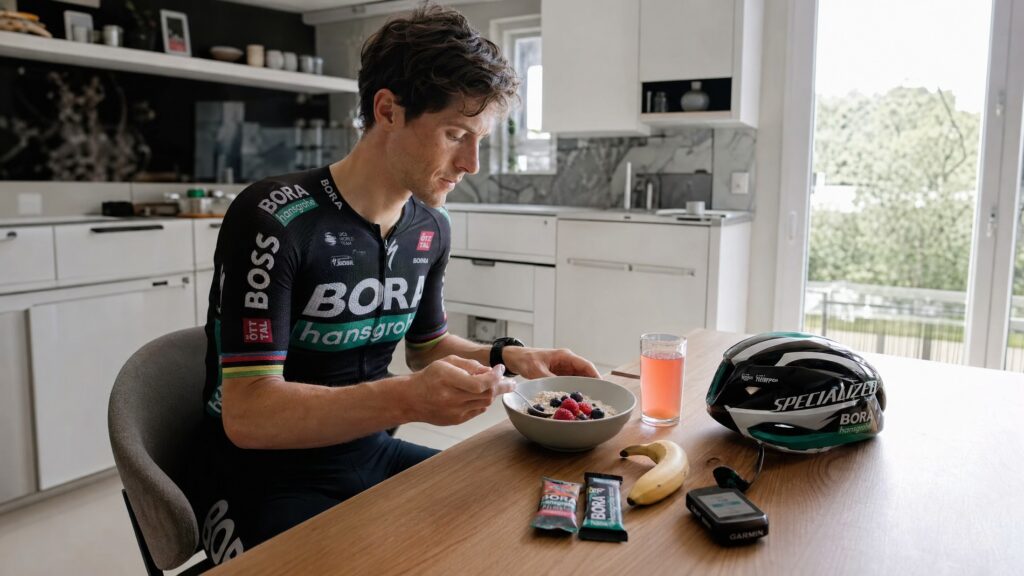
The pre-ride breakfast, consumed 2 to 3 hours before the start, tops off liver glycogen stores depleted overnight. A highly digestible meal containing 1 to 2 grams of carbohydrates per kilogram of body weight is ideal. Oatmeal with berries, rice, or toast with jam are excellent choices. It is crucial to keep fat and fiber intake low during this meal, as they slow down gastric emptying and can cause discomfort once the intensity ramps up. Pairing this meal with adequate hydration sets the foundation for a successful day in the saddle.
Mid-Ride Fueling: Gels, Chews, and Hydration Mixes
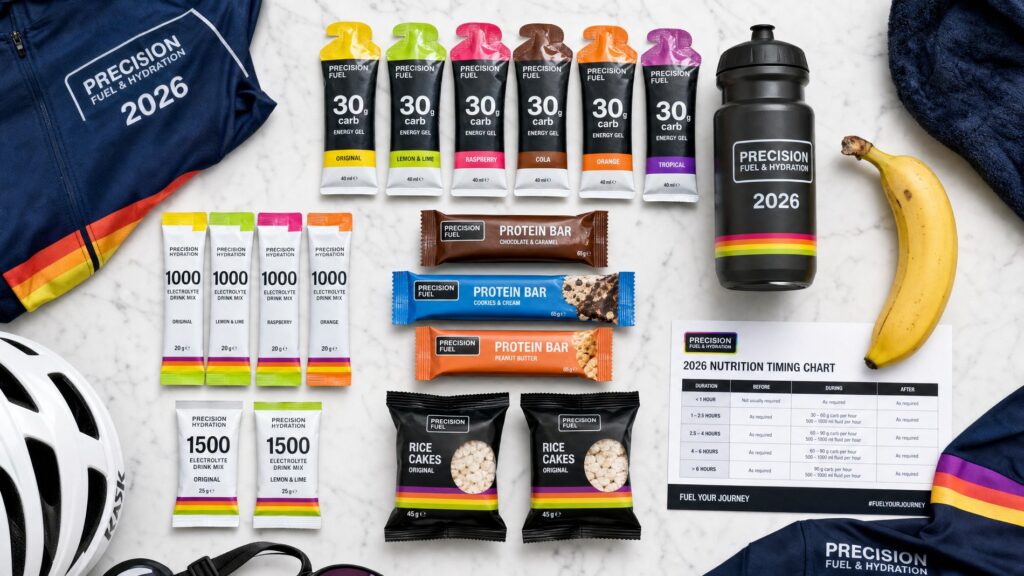
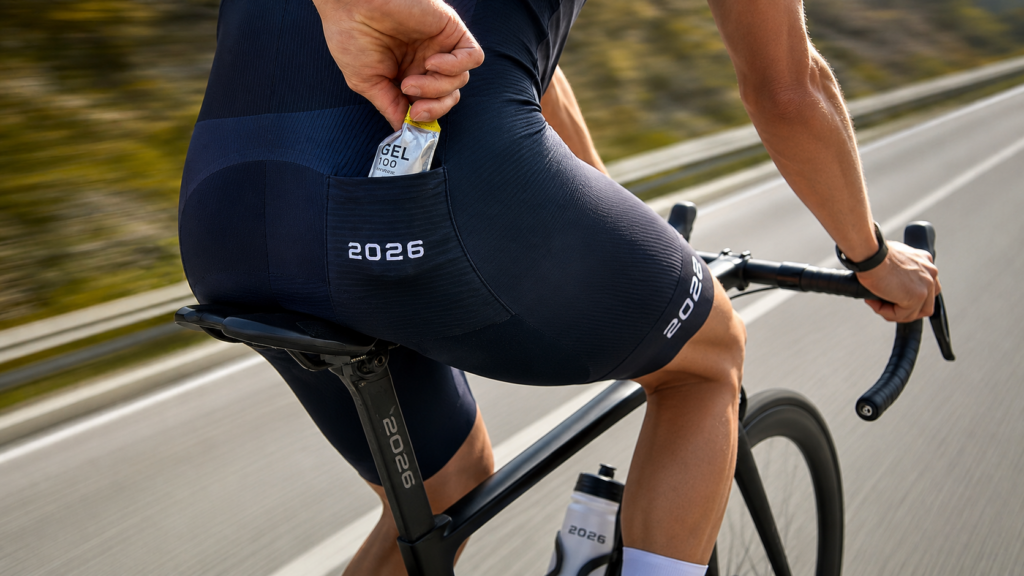
Executing a mid-ride fueling strategy requires discipline and the right products. The golden rule is to eat before you are hungry and drink before you are thirsty. Relying on solid foods like energy bars or rice cakes is great for the early, lower-intensity hours of a long ride. However, as the pace increases and digestion becomes compromised, transitioning to liquid calories and energy gels is necessary.
Modern energy gels are formulated to be isotonic, meaning they can be absorbed quickly without requiring massive amounts of water to dilute them in the stomach. Urban commuters might get away with a single bar, but endurance athletes need a steady drip of energy. High-carbohydrate drink mixes are incredibly efficient, allowing you to consume 80+ grams of carbs per bottle. This liquid fueling approach simplifies the process, ensuring you hit your carbohydrate targets while simultaneously managing your hydration needs.
Electrolyte Balance and Hydration Science
Carbohydrates provide the energy, but electrolytes facilitate the muscle contractions. Sodium is the primary electrolyte lost through sweat, and its depletion leads to cramping, fatigue, and in severe cases, hyponatremia. The amount of sodium lost varies drastically between individuals, ranging from 200mg to over 1500mg per liter of sweat. Understanding your personal sweat rate and sodium concentration is a game-changer for endurance performance.
In 2026, athletes are moving away from generic sports drinks and utilizing customized hydration plans. If you are a heavy sweater or racing in hot conditions, supplementing your bottles with high-sodium electrolyte tablets or using specialized high-sodium drink mixes is critical. Proper hydration also aids in the absorption of carbohydrates. A dehydrated gut cannot process food efficiently, leading to the dreaded “bonk.” Maintaining fluid balance is the linchpin that holds your entire nutritional strategy together.
Gut Training and Race Day Execution
You cannot expect your stomach to handle 90 grams of carbohydrates per hour on race day if you have never practiced it in training. The gastrointestinal tract is highly adaptable and must be trained just like your cardiovascular system. “Gut training” involves deliberately consuming high amounts of carbohydrates and fluids during your long, race-pace training rides. This process upregulates the carbohydrate transporters in the intestines and improves your tolerance to high volumes of food under stress.
On race day, execution is everything. Create a detailed timeline of what you will consume and when. Set a repeating timer on your cycling computer to remind you to eat and drink every 20 minutes. Do not experiment with new products or flavors on the day of your event. Stick to the exact gels, chews, and drink mixes you have successfully used during your gut training sessions. By combining a scientifically backed carbohydrate strategy with disciplined execution, you will cross the finish line with power to spare.