
The Evolution of Cycling Training Plans and Periodization in 2026
The landscape of cycling performance is undergoing a massive transformation as we move deeper into 2026. Riders are no longer relying solely on unstructured “junk miles” to build fitness. Instead, the focus has shifted entirely toward structured cycling training plans and advanced periodization strategies. This scientific approach ensures that every hour spent on the bike translates directly into measurable performance gains. Furthermore, modern training protocols are designed to help athletes peak exactly when it matters most, whether for a local criterium, a grueling gravel race, or a multi-day bikepacking adventure.
Understanding how to structure your training year is the single most important factor in achieving your cycling goals. The days of simply riding hard until you are exhausted are over. Today, training is about precision, recovery, and strategic progression. By breaking the year into distinct phases, cyclists can build a massive aerobic engine, sharpen their high-end power, and arrive at the start line completely fresh. This guide will explore the core principles of cycling periodization and how you can apply them to your own training in 2026.
The Foundation of Periodization Base Building
Every successful cycling season begins with a solid foundation. The base building phase is the longest and arguably the most critical period of the training year. Typically lasting between 8 to 12 weeks, this phase focuses on developing aerobic endurance, improving fat oxidation, and strengthening the musculoskeletal system. During this time, the intensity remains relatively low, but the volume is high. This approach builds the physiological infrastructure necessary to support the intense efforts that will come later in the season.
In recent years, the concept of “Sweet Spot” training has revolutionized the base phase for time-crunched athletes. Rather than spending 15 hours a week riding at a slow pace, cyclists can achieve similar aerobic adaptations by riding at 84% to 97% of their Functional Threshold Power (FTP) for shorter durations. This method, championed by platforms like FasCat Coaching, delivers maximum fitness gains with minimal fatigue. Consequently, riders can build a massive aerobic base on just 4 to 8 hours of training per week.

It is important to remember that base training is not just about logging miles. It is also the perfect time to focus on Cycling Cadence and Pedaling Mechanics. By refining your pedal stroke during low-intensity rides, you can improve your overall efficiency. Additionally, this phase allows the body to adapt to the physical stress of cycling without the added burden of high-intensity intervals, reducing the risk of early-season burnout.
The Build Phase Sharpening the Blade
Once the aerobic foundation is firmly established, the training plan transitions into the build phase. This period, usually lasting 6 to 8 weeks, is where the real hard work begins. The focus shifts from volume to intensity, with workouts designed to increase FTP, VO2 max, and anaerobic capacity. During the build phase, cyclists will spend significant time performing structured intervals that push their physiological limits.
A typical build phase incorporates a mix of threshold intervals, VO2 max repeats, and anaerobic sprints. For example, a rider might perform 4×8 minute intervals at 105% of FTP to raise their lactate threshold. These workouts are incredibly demanding and require a deep understanding of Cycling Power Meters and Performance Data Analysis to execute correctly. By anchoring these efforts to precise power zones, athletes ensure they are targeting the correct energy systems.

Because the intensity is so high during the build phase, recovery becomes absolutely paramount. Without adequate rest, the body cannot absorb the training stress and make the necessary adaptations. This is why many modern training plans utilize block periodization. As noted by experts at TrainingPeaks, block training involves grouping several hard workouts together over two or three days, followed by an equal amount of recovery. This concentrated stress forces the body to adapt quickly, provided the recovery protocols are strictly followed.
The Peak and Taper Arriving Fresh
The final phase of the periodization cycle is the peak and taper. This is the period immediately preceding your target event, typically lasting 1 to 3 weeks. The goal here is not to build more fitness—it is too late for that. Instead, the objective is to shed the accumulated fatigue from the build phase while maintaining the fitness you have worked so hard to achieve. A successful taper will leave you feeling fresh, powerful, and ready to race.
During the taper, training volume is significantly reduced, often by 40% to 60%. However, the intensity of the workouts remains high. Short, sharp efforts are used to keep the legs “open” and the neuromuscular system firing. For instance, a rider might do a few 30-second sprints during an otherwise easy 60-minute ride. This approach prevents the body from feeling sluggish on race day. Proper Cycling Nutrition and Fueling Strategy is also critical during this time, as you need to top off your glycogen stores without gaining unnecessary weight.
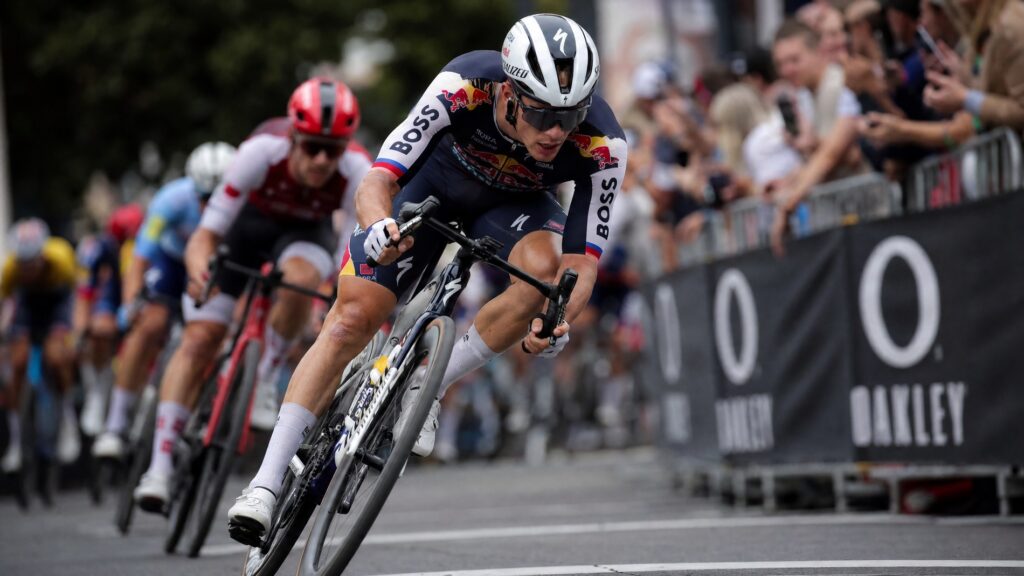
The psychological aspect of the taper is often the most challenging for athletes. Reducing training volume can lead to feelings of anxiety or “phantom pains.” It is essential to trust the process and rely on the data. Platforms like TrainRight emphasize that the fitness is already in the bank; the taper is simply about allowing that fitness to express itself. By managing fatigue effectively, you ensure that your form peaks exactly when the starting gun fires.
The Transition Phase Rest and Reset
After the target event has passed, the periodization cycle concludes with the transition phase. This is a period of unstructured riding, active recovery, and mental relaxation. Lasting anywhere from 2 to 4 weeks, the transition phase is vital for preventing long-term burnout and overtraining. It is a time to ride for fun, try different disciplines, or simply take time completely off the bike.
During this phase, athletes should focus heavily on Cycling Recovery and Muscle Regeneration. This might involve massage, stretching, or cross-training activities like swimming or hiking. The goal is to allow the body to heal from the micro-traumas accumulated over the season. Furthermore, the transition phase provides a mental break from the rigors of structured training, allowing the athlete to return to the base phase with renewed motivation and enthusiasm.
In conclusion, mastering cycling training plans and periodization is the key to unlocking your full potential in 2026. By systematically moving through the base, build, peak, and transition phases, you can ensure continuous improvement year after year. Whether you are using a pre-built plan from Strava or working with a dedicated coach, the principles of structured training remain the same. Embrace the process, trust the data, and watch your performance soar.