The Evolution of Cycling Cadence and Pedaling Mechanics in 2026
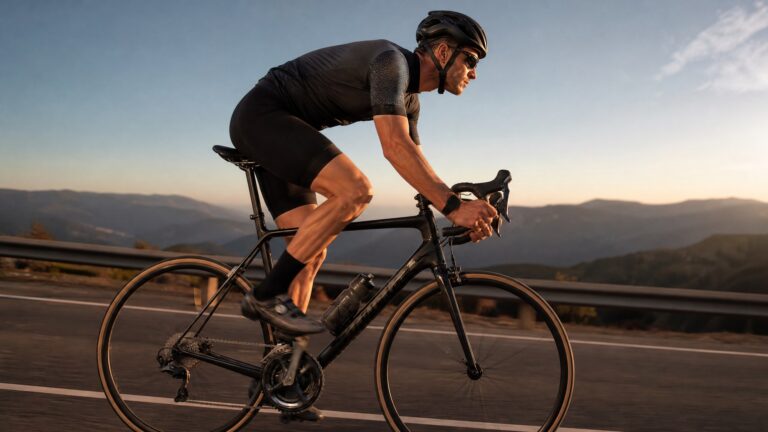
The landscape of cycling performance is undergoing a massive transformation as we move deeper into 2026. Riders are no longer relying solely on raw power to achieve their goals. Instead, the focus has shifted toward optimizing efficiency through advanced pedaling mechanics and cadence control. Understanding how fast to turn the pedals, and more importantly, how to apply force effectively throughout the entire pedal stroke, has become the defining factor between a good cyclist and a great one. Whether you are tackling a grueling century ride or sprinting for a local town sign, mastering your cadence is the key to unlocking your true potential on the bike.
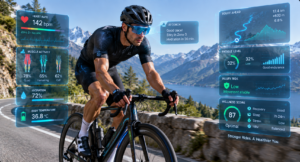
Cadence, simply defined, is the speed at which you turn the pedals, expressed in revolutions per minute (RPM). While it might seem like a straightforward metric, the physiological implications of different cadences are profoundly complex. In the past, cyclists often debated whether a high “spinning” cadence or a low “grinding” cadence was superior. Today, sports science has provided us with a much clearer picture. The optimal cadence is not a single magic number, but rather a dynamic range that changes based on the rider’s fitness level, the terrain, and the specific demands of the event. By leveraging modern technology, such as dual-sided power meters and advanced wearable smart sensors, cyclists can now analyze their pedaling mechanics with unprecedented precision.
Understanding the Physiology of Cadence
To truly optimize your pedaling mechanics, you must first understand how different cadences affect your body. When you pedal at a lower cadence, typically around 60 to 75 RPM, you are required to exert more muscular force during each pedal stroke to maintain a given power output. This heavy reliance on muscular force primarily activates fast-twitch muscle fibers, which fatigue relatively quickly. Consequently, grinding a big gear places a significant burden on your muscular system, making it less ideal for long-duration endurance events. However, research from platforms like TrainerRoad indicates that lower cadences are actually the most bioenergetically efficient, meaning they require the lowest oxygen consumption for a specific power output.
Conversely, pedaling at a higher cadence, generally between 90 and 100 RPM, shifts the physiological load away from the muscular system and onto the cardiovascular system. Because each pedal stroke requires less force, you rely more heavily on slow-twitch muscle fibers, which are highly resistant to fatigue. This cardiovascular shift is why professional cyclists often favor higher cadences during long stage races. By spinning faster, they preserve their muscular endurance for crucial moments, such as steep climbs or final sprints. Furthermore, maintaining a higher cadence allows for rapid accelerations, which is essential in competitive scenarios. Finding the right balance between muscular strain and cardiovascular demand is a core component of structured cycling training plans.
The concept of an “optimal” cadence is highly individualized. Beginners often naturally gravitate toward a slower cadence of 60 to 85 RPM, as their cardiovascular systems are not yet adapted to the demands of rapid spinning. Experienced hobbyists and amateur racers typically find their sweet spot between 80 and 95 RPM. Elite professionals, on the other hand, frequently sustain cadences well over 100 RPM during attacks and can exceed 120 RPM during bunch sprints. It is important to note that forcing yourself to pedal at an unnaturally high cadence before your cardiovascular system is ready can lead to premature fatigue and decreased performance.
The Mechanics of a Perfect Pedal Stroke
Achieving an optimal cadence is only half the battle; the other half is executing a mechanically sound pedal stroke. A common misconception among novice cyclists is that pedaling simply involves pushing down on the pedals. In reality, a highly efficient pedal stroke is a continuous, fluid motion that applies power throughout the entire 360-degree rotation. This concept is often referred to as “pedaling in circles.” When you only push down, you create “dead spots” at the top and bottom of the stroke, which disrupts your momentum and wastes energy. Proper bike fit and geometry optimization are critical prerequisites for developing a smooth pedal stroke, as an incorrect saddle height can severely hinder your mechanics.
To visualize the perfect pedal stroke, imagine the rotation as a clock face. The power phase, where the majority of force is generated, occurs between 1 o’clock and 5 o’clock. During this phase, your glutes and quadriceps are the primary drivers. As you transition through the bottom of the stroke, from 5 o’clock to 7 o’clock, you should focus on a scraping motion, similar to scraping mud off the bottom of your shoe. This engages the calf muscles and hamstrings. The upstroke, from 7 o’clock to 11 o’clock, is not about pulling up with immense force, but rather unweighting the pedal so that the opposite leg does not have to lift the dead weight of the rising leg. Finally, as you approach the top of the stroke, from 11 o’clock to 1 o’clock, a slight forward kick initiates the next power phase. Mastering this complex sequence requires significant core strength and posture control to stabilize the pelvis.
Many cyclists struggle to maintain tension through the weakest portions of the pedal stroke. This is where targeted cadence drills become invaluable. By isolating specific phases of the rotation, riders can train their neuromuscular system to fire more efficiently. The goal is not necessarily to produce more peak power, but to distribute the power more evenly, resulting in a smoother, more economical ride. According to experts at TrainingPeaks, incorporating these drills into your base training phase is the most effective way to build lasting neuromuscular adaptations.
Practical Drills for Cadence Optimization
Improving your cadence and pedaling mechanics requires deliberate practice. Simply riding your bike for hours on end will not automatically correct entrenched bad habits. Instead, you must dedicate specific portions of your training to focused drills. These exercises are best performed on an indoor smart trainer, where you can control the environment and eliminate distractions like traffic or varying terrain. However, they can also be executed on flat, quiet stretches of road. The key is consistency and mindful execution.
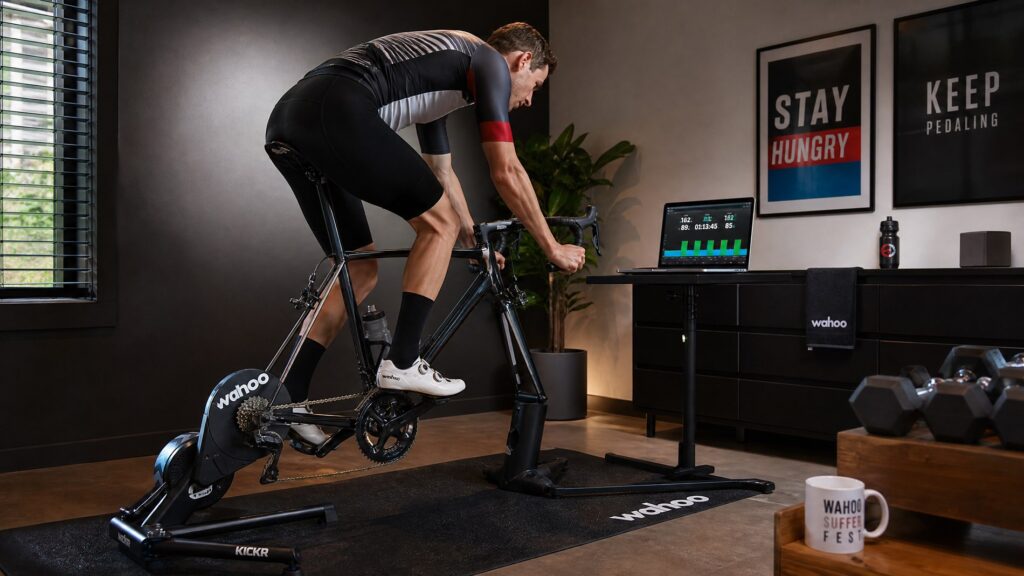
One of the most fundamental exercises is the Endurance Spinning drill. During a steady-state aerobic ride, consciously increase your cadence by 3 to 5 RPM above your natural, self-selected pace. Hold this slightly elevated cadence for five minutes, paying close attention to your heart rate. If your heart rate spikes significantly, reduce the cadence slightly. The objective is to gradually train your cardiovascular system to handle a faster spin without a massive metabolic cost. Over several weeks, you will likely find that your natural, comfortable cadence has shifted upward. This drill is a staple in many triathlon training programs, as a slightly lower cadence on the bike can actually improve subsequent running performance.
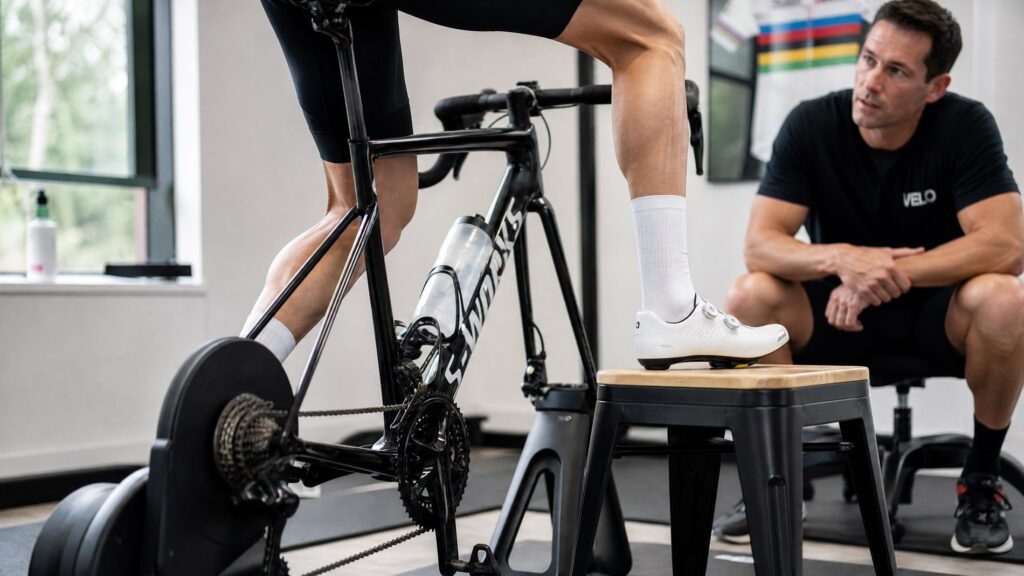
For addressing dead spots in the pedal stroke, Single-Leg Focus drills are highly recommended. While riding at a moderate intensity, devote all your mental attention to one leg for 90 seconds. Focus on lightly pulling your foot across the bottom, lifting the knee upward, and softly kicking over the top. After 90 seconds, switch your focus to the other leg. A more advanced variation is Isolated Leg Training, where you completely unclip one foot and rest it on a stool. Pedal with only one leg for 10 to 20 seconds, listening carefully for any “knocking” sounds in the drivetrain, which indicate a loss of chain tension and a dead spot in your stroke. Switch legs immediately if your form begins to degrade. Proper nutrition and fueling are essential before attempting these neuromuscularly demanding sessions.
The Role of Technology in Cadence Analysis
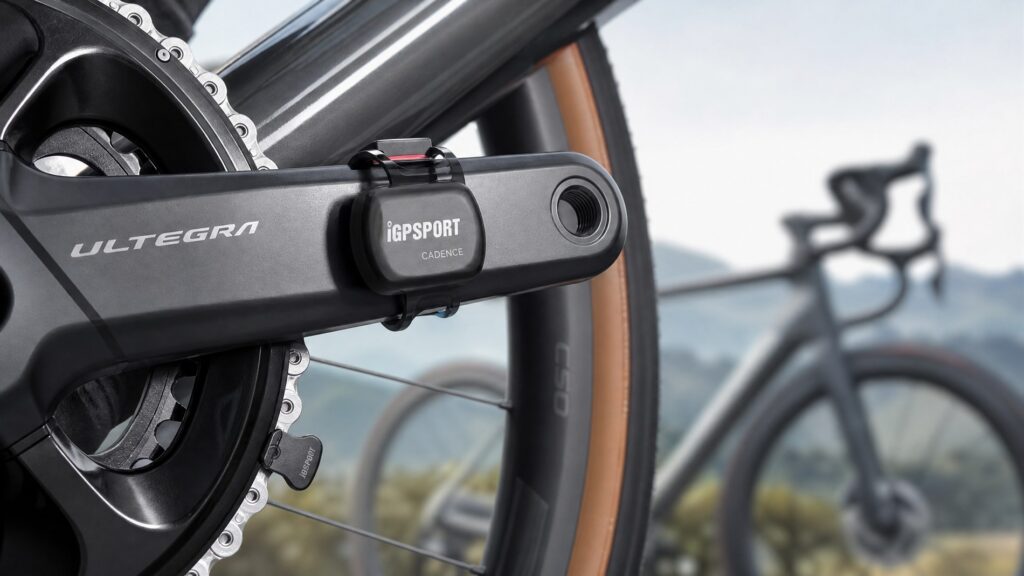
In 2026, the technology available to analyze pedaling mechanics has reached unprecedented levels of sophistication. Gone are the days of relying solely on a basic magnet-based cadence sensor. Today, dual-sided power meters are the gold standard for serious cyclists. These devices not only measure total power output and cadence but also provide detailed metrics on left/right leg balance, torque effectiveness, and pedal smoothness. By analyzing this data, riders can identify muscular imbalances or mechanical inefficiencies that were previously invisible to the naked eye.
Advanced cycling head units from brands like Wahoo Fitness and Garmin now feature real-time pedaling dynamics displays. These visual representations show exactly where power is being applied during the 360-degree rotation. If a rider sees a significant drop in power during the upstroke, they know exactly which phase of the pedal stroke requires attention. Furthermore, post-ride analysis software can track cadence trends over time, allowing coaches and athletes to correlate changes in pedaling mechanics with improvements in overall performance. This data-driven approach ensures that training time is spent efficiently, targeting specific weaknesses rather than relying on guesswork.
Ultimately, optimizing your cycling cadence and pedaling mechanics is a continuous journey of refinement. It requires a blend of physiological understanding, mindful practice, and technological analysis. By dedicating time to cadence drills and focusing on a fluid, circular pedal stroke, you can significantly improve your efficiency on the bike. This increased efficiency translates directly to faster speeds, reduced fatigue, and a more enjoyable riding experience. As the sport of cycling continues to evolve, those who master the art of the pedal stroke will undoubtedly lead the pack.