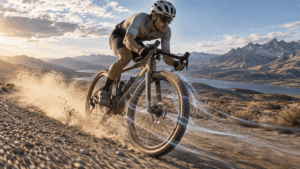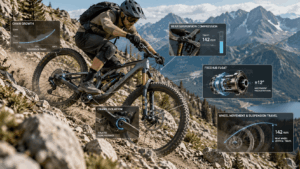
Bike tire technology is undergoing one of its biggest transformations in 2026. Airless tires and adaptive pressure systems are replacing traditional inflatable designs, offering puncture-free performance and real-time grip optimization.
These innovations are changing how cyclists approach road, gravel, and mountain terrain.
What Are Airless Bike Tires?
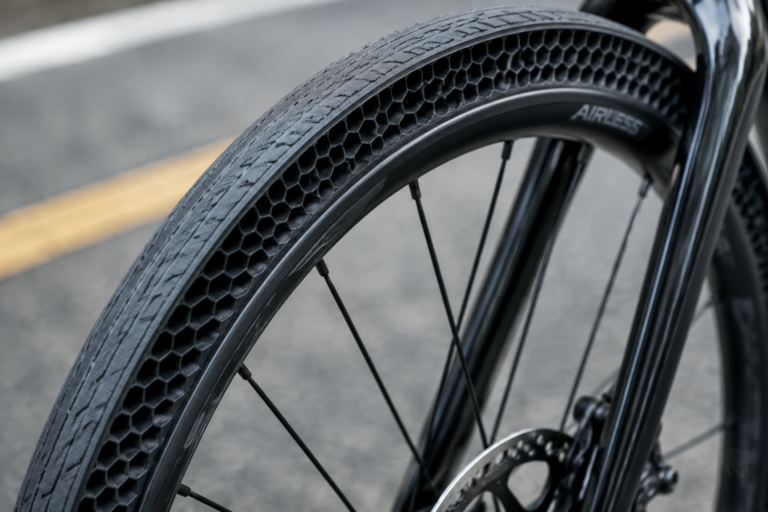
Airless tires use flexible polymer or composite structures instead of air pressure. This eliminates flats and reduces maintenance while maintaining consistent ride quality.
Modern designs now closely mimic pneumatic tire performance, closing the comfort gap significantly.
Adaptive Pressure Systems
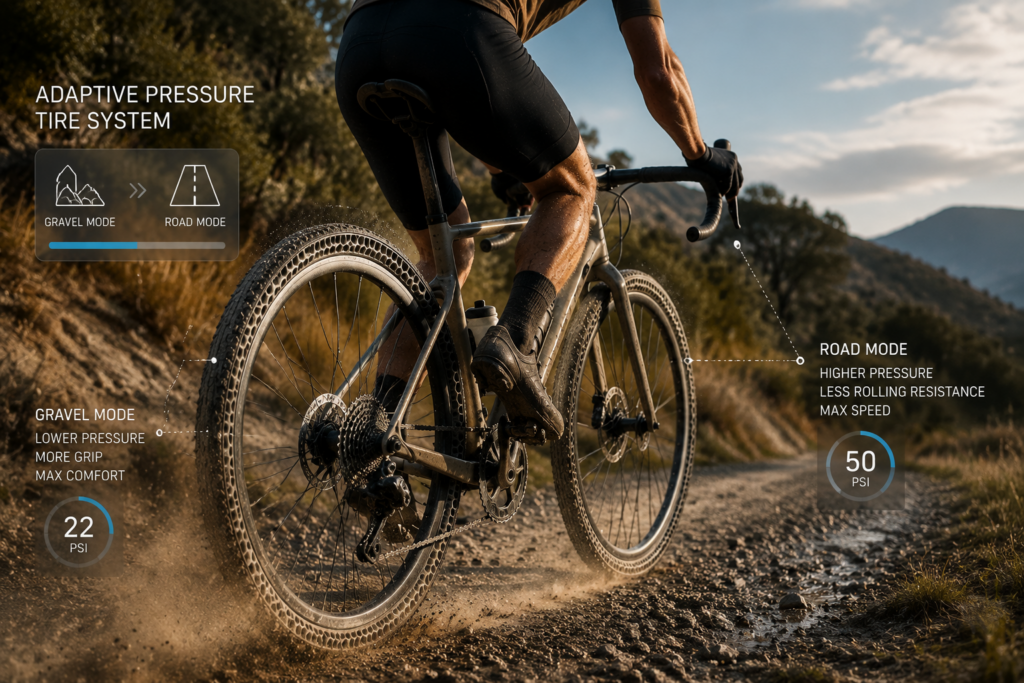
Unlike static airless designs, adaptive tires can adjust stiffness and contact patch depending on terrain. Sensors detect surface changes and automatically optimize grip and rolling resistance.
This technology is especially useful for gravel riders and endurance cyclists.
Key Benefits
- No punctures or flats
- Real-time grip adjustment
- Improved durability for long rides
- Lower maintenance requirements
Brands like Michelin and Continental are leading innovation in this space.
Impact on Cycling Performance
Riders benefit from increased confidence on technical terrain and consistent performance in all weather conditions. These tires are especially valuable for bikepacking and urban commuting.
See related technology in our guide on gravel bike technology 2026.
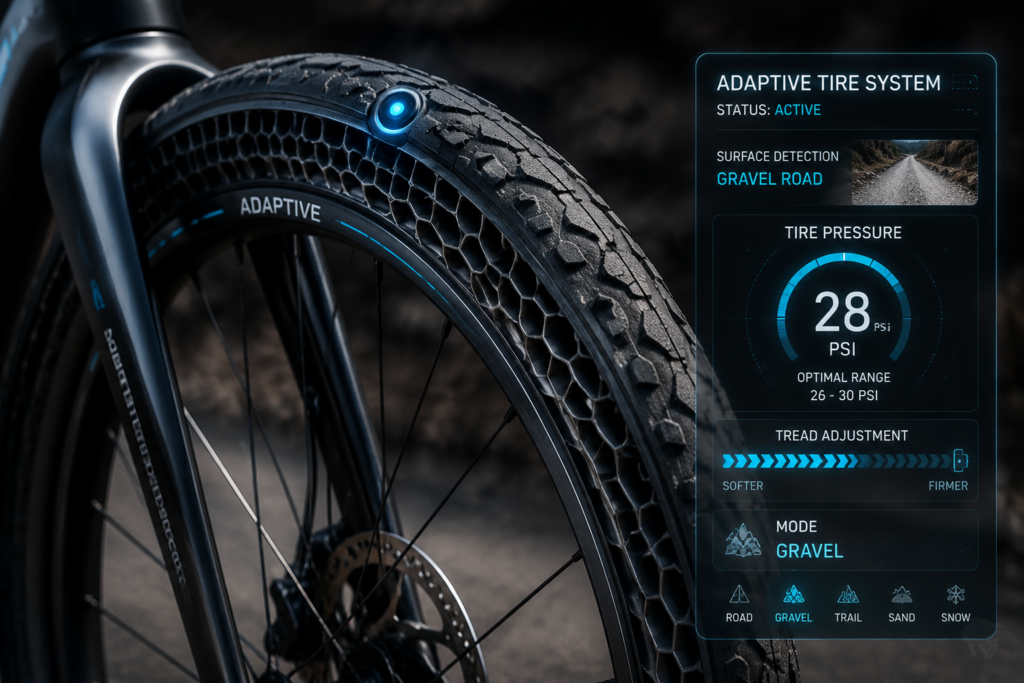
Future Outlook
Future tire systems may integrate AI-based terrain prediction, automatically adjusting pressure before riders even reach obstacles or surface changes.