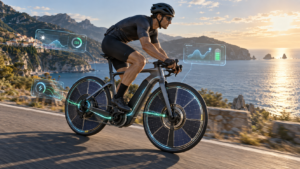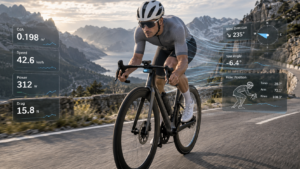
Cycling navigation is becoming significantly smarter in 2026. Instead of simply providing directions, artificial intelligence is transforming route planning into a personalized system that considers terrain, weather, traffic, rider fitness, and safety conditions. The latest AI cycling route optimization 2026 technology helps cyclists discover faster, safer, and more efficient routes based on real-time information.
From daily commuters to endurance athletes and adventure riders, AI-powered navigation systems are changing how cyclists plan and experience every journey.
The Evolution of Cycling Navigation Technology
Traditional cycling navigation systems focused mainly on GPS location and turn-by-turn directions. While these systems remain useful, modern AI navigation platforms analyze much larger amounts of information.
AI-powered cycling navigation can evaluate:
- Road conditions
- Traffic patterns
- Weather changes
- Elevation difficulty
- Rider performance data
- Historical route information
This creates a more intelligent navigation experience that adapts to the rider rather than simply following a fixed route.
This technology builds on connected cycling systems discussed in our article about Connected Cycling Analytics 2026.
Predictive Route Planning With Artificial Intelligence
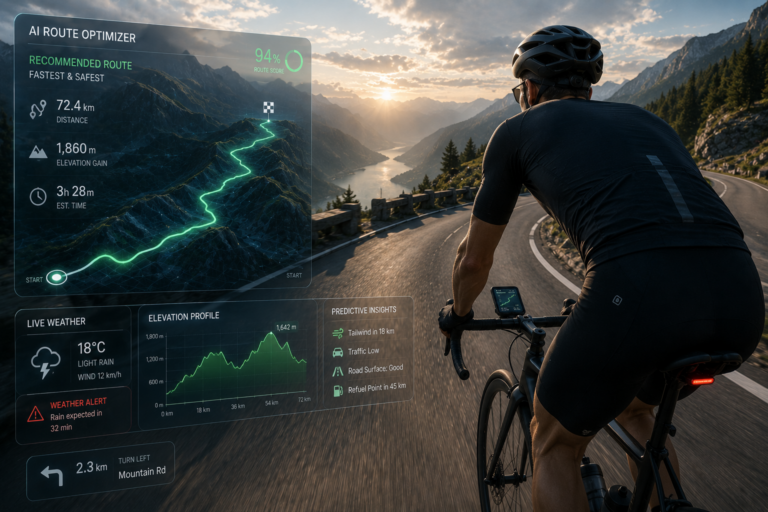
One of the biggest advantages of AI navigation is predictive route planning. Instead of only showing where a cyclist is located, AI systems can predict what conditions the rider will encounter ahead.
For example, an AI navigation system may identify:
- A steep climb approaching
- High traffic areas
- Changing weather conditions
- Road construction zones
- Unsafe riding conditions
The system can then recommend alternative routes that better match the rider’s goals.
Weather Intelligence for Safer Cycling
Weather can dramatically affect cycling performance and safety. Strong winds, rain, extreme temperatures, and storms can turn a planned ride into a difficult experience.
AI navigation systems now integrate weather forecasting data to provide:
- Storm warnings
- Temperature predictions
- Wind direction analysis
- Road condition alerts
For example, a cyclist planning a long mountain ride may receive recommendations to adjust departure times or select a lower-risk route.
These features complement the safety technology discussed in our article about Smart Cycling Helmets 2026.
AI Route Personalization Based on Rider Ability
A major improvement in AI navigation is personalization. Different cyclists have different abilities, goals, and preferences.
AI systems can analyze:
- Previous rides
- Average speed
- Climbing ability
- Training goals
- Fatigue levels
A professional cyclist may receive a performance-focused route with challenging climbs, while a recreational rider may receive a more comfortable route with lower difficulty.
Integration With Smart Cycling Computers
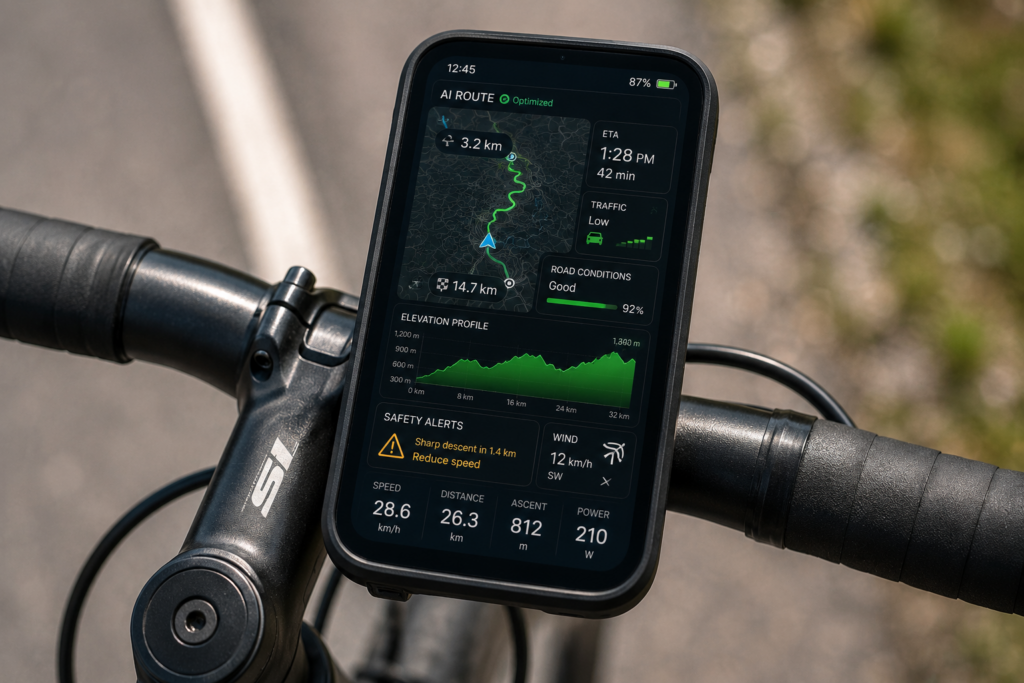
Modern cycling computers are becoming powerful AI navigation hubs. These devices combine GPS, performance tracking, and connected data to provide complete ride intelligence.
Smart cycling computers can display:
- Optimized routes
- Live elevation profiles
- Traffic conditions
- Weather updates
- Safety warnings
Companies such as Garmin and Wahoo continue developing connected cycling devices that combine navigation and performance data.
AI Navigation for Gravel and Adventure Cycling
Adventure cyclists benefit significantly from AI route optimization. Gravel and bikepacking routes often include unpredictable terrain, limited services, and changing conditions.
AI systems can help riders identify:
- Reliable water locations
- Trail difficulty
- Surface conditions
- Elevation challenges
- Emergency access points
This makes long-distance exploration safer and more manageable.
For more adventure technology, explore our article about Smart Bikepacking Systems 2026.
Connected Group Riding and Shared Routes
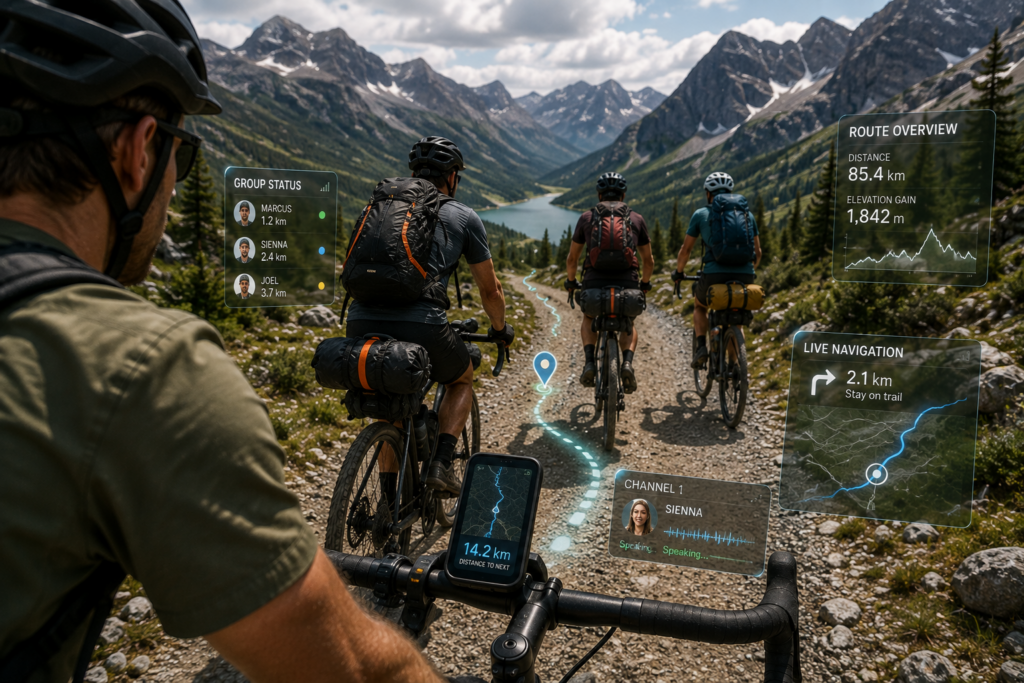
AI navigation is also improving group cycling experiences. Connected systems allow riders to share routes, hazards, and location information.
Group features may include:
- Live rider locations
- Shared route updates
- Emergency notifications
- Automatic regrouping assistance
These tools are especially useful for large cycling groups and organized endurance events.
The Future of AI Cycling Navigation
Future AI navigation systems will become even more predictive and connected. As more cycling devices share information, navigation platforms will create increasingly accurate recommendations.
Future developments may include:
- Real-time hazard prediction
- Vehicle communication systems
- AI-generated training routes
- Smart city cycling integration
- Automatic route adjustments based on fatigue
The future bicycle will not simply follow directions — it will understand the rider and environment.
AI Navigation Development and Testing
Behind these systems are advanced software platforms that combine artificial intelligence, mapping data, weather information, and cycling analytics.
Engineers test AI navigation models using simulated environments, digital maps, and real-world cycling data to improve accuracy and reliability.
Conclusion
AI cycling route optimization in 2026 is changing the way cyclists plan and experience rides. By combining predictive navigation, weather intelligence, traffic analysis, and rider-specific recommendations, AI systems make cycling safer and more efficient.
As connected cycling technology continues advancing, intelligent route planning will become one of the most important tools for modern cyclists.