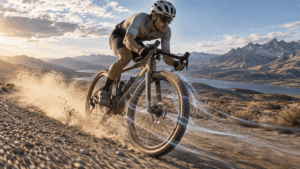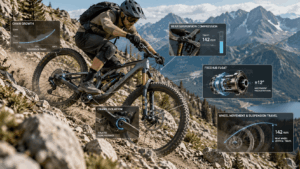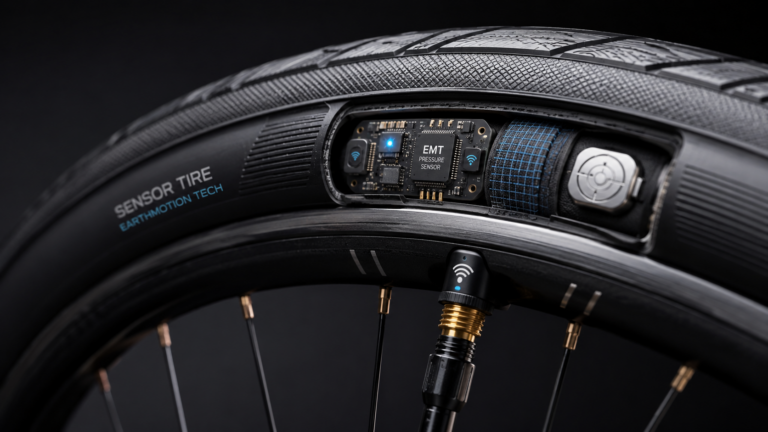
Bicycle tires are becoming smarter as artificial intelligence and sensor technology move deeper into cycling components. In 2026, AI tire intelligence 2026 is transforming traditional tires into connected systems that monitor pressure, analyze terrain, detect grip conditions, and provide real-time performance information.
Future smart tire systems may help cyclists improve efficiency, comfort, and control by combining sensors, wireless communication, and artificial intelligence.
The Evolution of Bicycle Tire Technology
Bicycle tires have always played an important role in performance, comfort, and safety. However, traditional tires provide limited information about their condition while riding.
Smart tire technology changes this by adding digital monitoring capabilities.
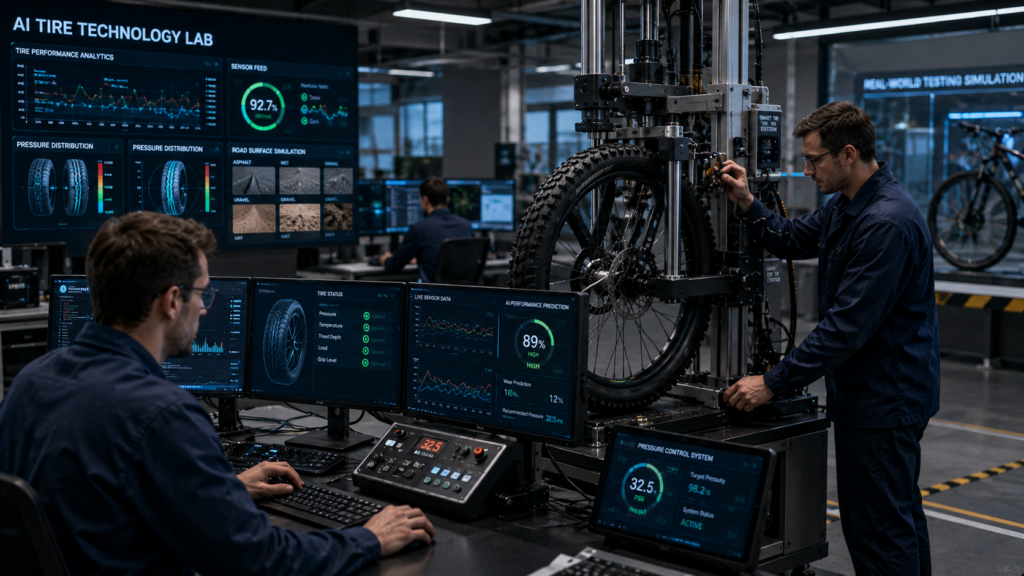
AI-powered tire systems may analyze:
- Tire pressure
- Temperature changes
- Road surfaces
- Grip conditions
- Tread wear
- Riding behavior
This allows tires to become active sources of information instead of passive bicycle components.
This technology connects with our article about Smart Bicycle Digital Twins 2026, where connected components create detailed virtual bike models.
Smart Pressure Monitoring Systems
Maintaining proper tire pressure has always been important for cyclists. Incorrect pressure can affect comfort, efficiency, handling, and tire durability.
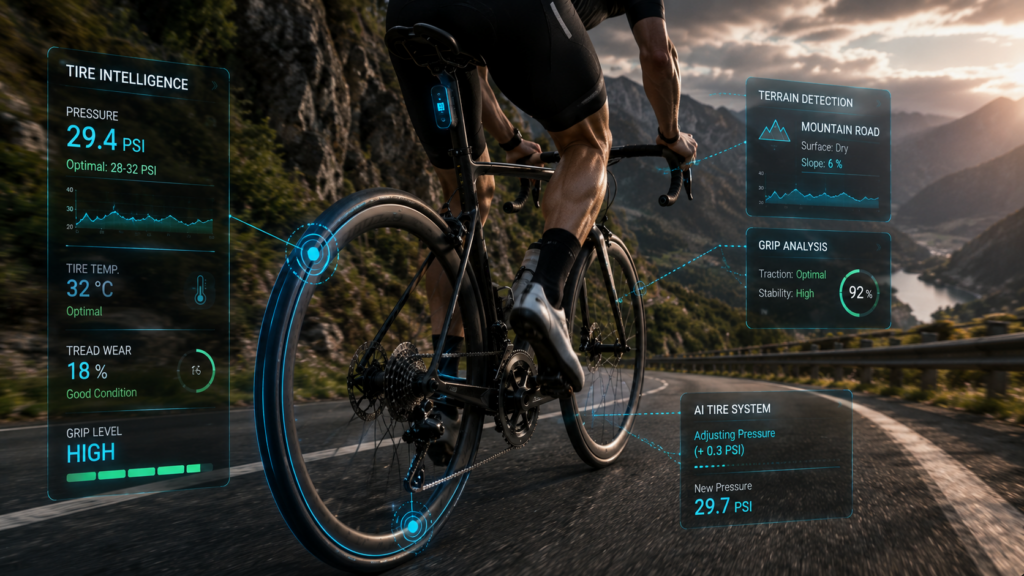
Smart tire systems can use sensors to monitor pressure continuously and provide updates through connected devices.
Possible features include:
- Real-time pressure readings
- Automatic pressure alerts
- Temperature compensation
- Pressure recommendations based on terrain
Instead of checking tire pressure manually before every ride, cyclists may receive information directly through their cycling computers or mobile applications.
AI-Based Terrain Detection
One of the most advanced possibilities for smart tires is terrain recognition. Artificial intelligence can combine tire sensor data with GPS information and riding conditions to understand the surface below the bicycle.
AI systems may identify:
- Wet pavement
- Loose gravel
- Rocky trails
- Smooth roads
- Uneven surfaces
This information can help riders adjust their approach depending on changing environments.
This connects with our article about AI Cycling Route Optimization 2026, where smart systems analyze routes and conditions.
Adaptive Grip and Traction Technology
Future smart tires may use AI analysis to provide better traction management. While fully automatic tire adjustment technology is still developing, connected systems can already monitor conditions that affect grip.
AI traction analysis may consider:
- Surface type
- Weather conditions
- Rider speed
- Cornering forces
- Braking patterns
This information may help cyclists understand how their tires perform in different situations.
Integration With Smart Bicycle Systems
AI tire intelligence becomes more valuable when connected with other bicycle technologies.
Smart tire systems may communicate with:
- Smart bike computers
- Digital twin platforms
- AI cycling assistants
- Smart suspension systems
- Electronic bicycles
For example, a smart bicycle operating system could combine tire data with suspension settings and route conditions to create a more adaptive riding experience.
This connects with our article about Smart Bicycle Operating Systems 2026.
Benefits for Different Types of Cyclists
Road Cyclists
Road riders may benefit from improved efficiency by maintaining optimized pressure levels for different conditions.
Gravel Cyclists
Gravel riders can use terrain information and traction monitoring when riding across changing surfaces.
Mountain Bikers
Mountain cyclists may benefit from improved awareness of trail conditions and tire performance.
AI Tire Monitoring and Maintenance
Smart tire systems can also support predictive maintenance by monitoring wear and performance changes.
AI platforms may track:
- Tread condition
- Pressure consistency
- Damage indicators
- Usage patterns
This approach helps connect tire management with broader bicycle maintenance technology.
Learn more about predictive bike care in our article about AI-Powered Bicycle Maintenance 2026.
Smart Tires and Electric Bicycle Performance
Electric bicycles can especially benefit from intelligent tire systems because motor assistance increases the importance of traction and efficiency.
Smart tire information can help e-bike systems understand:
- Energy consumption
- Terrain resistance
- Range efficiency
- Riding conditions
This connects with our article about Self-Charging E-Bikes 2026.
The Future of AI Tire Intelligence
As sensor technology becomes smaller and more affordable, smart tires may become a standard part of advanced bicycles.
Future developments may include:
- Automatic pressure adjustment
- AI traction prediction
- Self-monitoring tire systems
- Connected road condition mapping
- Integration with autonomous cycling technology
The future bicycle may understand not only how the rider performs but also how the tires interact with the environment.
Conclusion
AI tire intelligence in 2026 represents a new direction for bicycle technology. By combining sensors, artificial intelligence, and connected systems, smart tires may provide cyclists with deeper insights into pressure, traction, and performance.
As bicycles continue evolving into intelligent platforms, tires will become an important part of the connected cycling ecosystem.