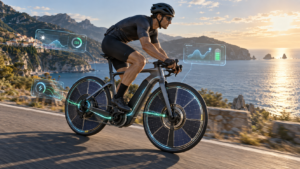
Bicycle maintenance is entering a new era in 2026 as artificial intelligence transforms how riders monitor and care for their bikes. Instead of waiting for parts to wear out or problems to appear, AI-powered bicycle maintenance 2026 systems use sensors, connected components, and predictive analytics to identify potential issues before they affect performance.
Smart maintenance technology allows cyclists to better understand their bike’s condition while improving reliability, efficiency, and component lifespan.
The Shift Toward Predictive Bicycle Maintenance
Traditional bicycle maintenance depends on regular inspections, rider experience, and scheduled servicing. While these methods remain useful, modern bikes are becoming more intelligent through connected sensors and digital monitoring systems.
AI maintenance platforms analyze information from multiple bicycle components, including:
- Electronic drivetrains
- Power meters
- Battery systems
- Smart frames
- Suspension components
- Tire monitoring systems
This creates a detailed picture of bicycle condition based on real riding data.
This technology connects closely with our article about Smart Bike Frames 2026, where embedded sensors help monitor structural performance.
How AI Bicycle Diagnostics Work
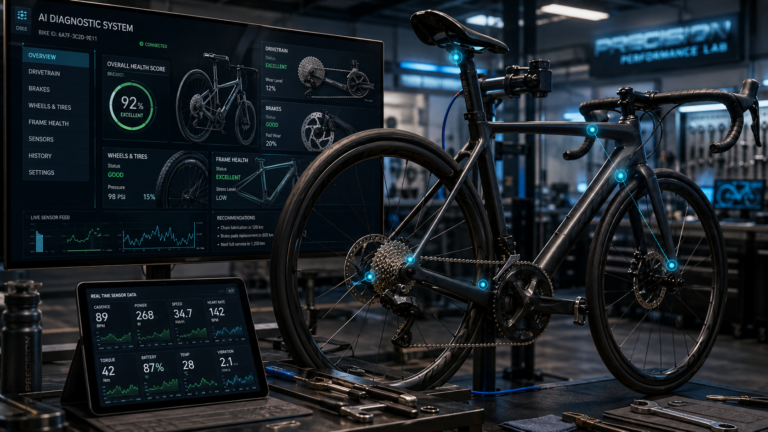
AI maintenance systems collect information through sensors installed throughout the bicycle. These sensors monitor performance changes and compare current data with previous riding patterns.
The system may analyze:
- Component vibration
- Temperature changes
- Battery performance
- Shifting accuracy
- Brake behavior
- Frame stress levels
Machine learning algorithms can identify unusual patterns that may indicate future maintenance needs.
Predictive Repairs Before Problems Occur
One of the biggest advantages of AI maintenance technology is predictive repair recommendations.
Instead of discovering a worn component after it affects a ride, connected systems may provide earlier notifications about possible service needs.
Examples include:
- Chain replacement reminders
- Brake pad wear monitoring
- Battery health predictions
- Electronic shifting calibration alerts
- Tire pressure recommendations
This approach helps riders plan maintenance around their schedules rather than dealing with unexpected problems.
Smart Drivetrain Monitoring
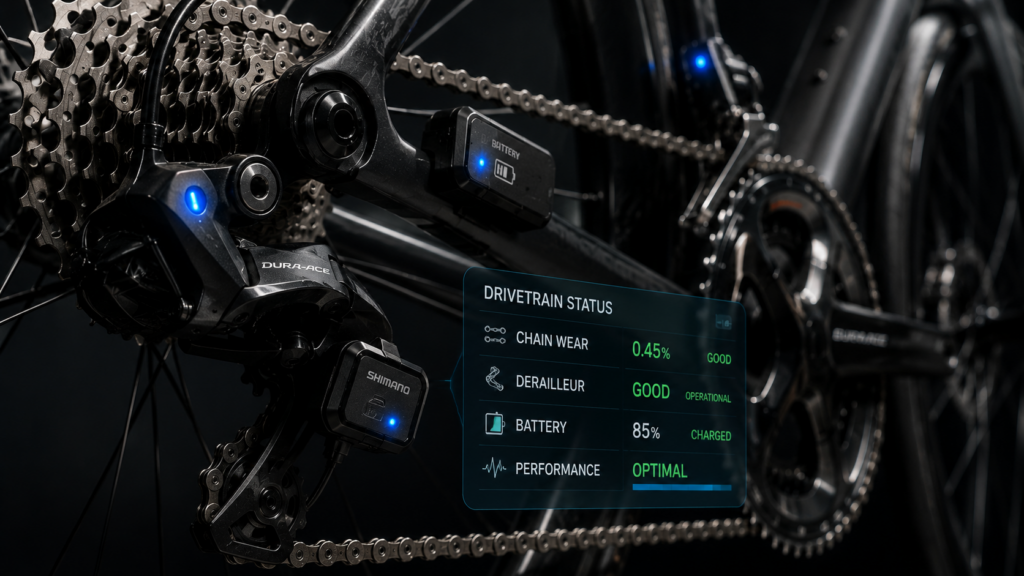
Modern electronic drivetrains are becoming increasingly connected. Systems from manufacturers such as SRAM and Shimano already collect digital performance information from shifting components.
Future AI maintenance systems can analyze drivetrain data to monitor:
- Shift performance
- Battery condition
- Motor efficiency
- Gear usage patterns
This builds upon the technology discussed in our article about Wireless Electronic Shifting 2026.
AI Maintenance for E-Bikes
Electric bicycles benefit significantly from predictive maintenance because they contain more electronic systems than traditional bikes.
AI-powered e-bike diagnostics can monitor:
- Battery capacity changes
- Motor performance
- Charging cycles
- Energy consumption
- Controller performance
These insights can help riders understand battery health and improve long-term reliability.
This technology complements our coverage of Self-Charging E-Bikes 2026 and smart energy systems.
Real-Time Maintenance Dashboards
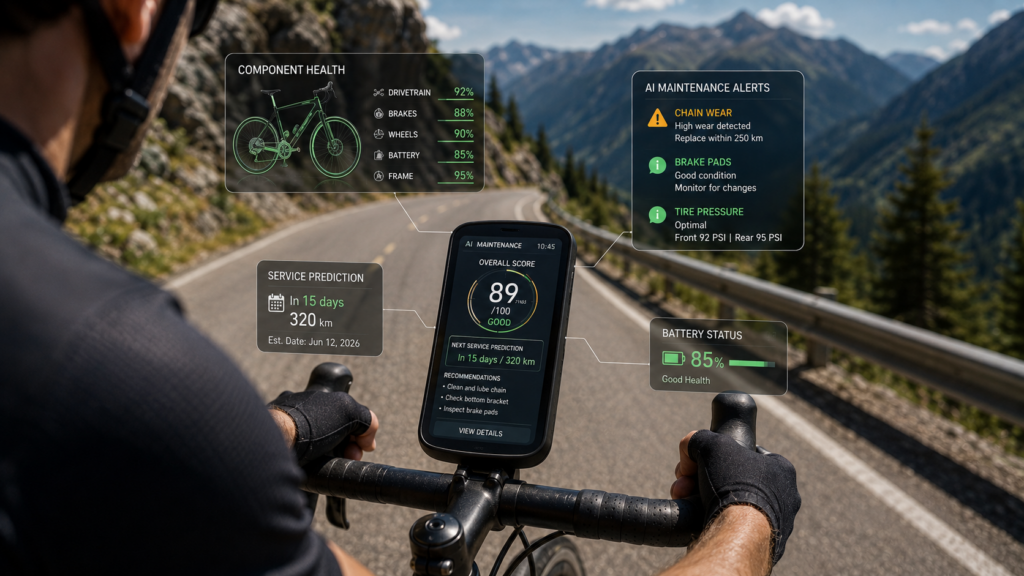
Future bicycles will increasingly connect with mobile apps and cycling computers to provide real-time maintenance information.
A smart maintenance dashboard may display:
- Overall bike health score
- Component condition reports
- Service reminders
- Performance changes
- Replacement recommendations
This gives cyclists a clearer understanding of their equipment without requiring advanced mechanical knowledge.
Benefits for Different Cyclists
Road Cyclists
Performance riders can monitor drivetrain efficiency, power equipment, and component condition before important training sessions or events.
Mountain and Gravel Riders
Adventure riders benefit from monitoring equipment exposed to mud, dust, vibration, and changing terrain.
Daily Commuters
Connected maintenance systems can help commuters identify issues before they interrupt daily transportation.
The Role of AI in Sustainable Cycling
Predictive maintenance also supports sustainability by extending the useful life of bicycle components.
When riders maintain parts before major failures occur, fewer components need premature replacement.
This aligns with the sustainability trends discussed in our article about Sustainable Cycling Tech 2026.
The Future of Smart Bicycle Diagnostics
As bicycles become more connected, maintenance systems will become increasingly automated.
Future developments may include:
- AI-powered repair guidance
- Automatic service scheduling
- Remote bicycle diagnostics
- Self-monitoring components
- Integration with cycling apps
The future bicycle may continuously monitor itself and provide riders with detailed information about performance and maintenance.
Conclusion
AI-powered bicycle maintenance in 2026 represents a major advancement in connected cycling technology. By combining sensors, artificial intelligence, and predictive analytics, smart maintenance systems help riders understand their bikes and address potential issues earlier.
As bicycles continue becoming more intelligent, predictive maintenance will become an important part of improving reliability, performance, and long-term ownership.