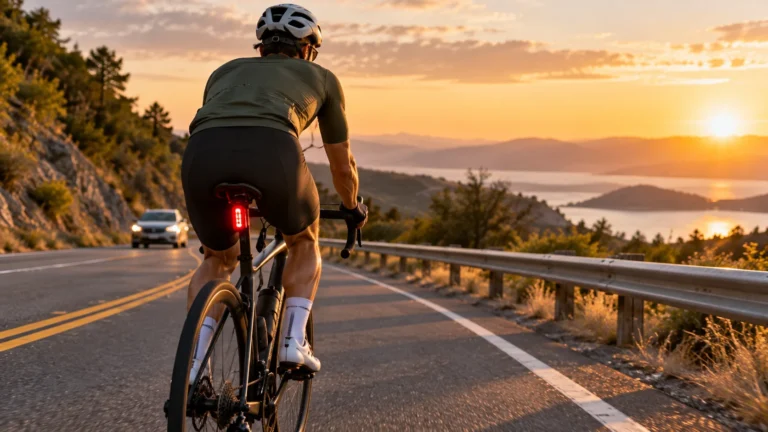
A rear light can help a driver notice a bicycle, but it cannot tell the rider what is approaching from behind. That gap explains the growing interest in rear radar bike lights, which combine visibility with vehicle alerts. On October 27, 2026, Lezyne introduced the Radar Pro 300, adding an automatic brake-light function to its radar-light system. For riders sharing open roads with cars, that combination is worth understanding.
The Lezyne Radar Pro 300 is not a collision-prevention system or a replacement for looking over your shoulder. It is a new option for receiving traffic information while making the bicycle more noticeable. Here is what its published specifications mean, how it fits into a real riding setup, and where its limitations matter most.
Why the Lezyne Radar Pro 300 Is Trending
Lezyne’s October launch attracted attention because it adds a braking signal to a category traditionally focused on approaching vehicles. According to Bicycle Retailer and Industry News, the light brightens automatically when the cyclist slows down. At a listed US price of $179.99, it also enters a competitive market where riders expect reliable detection, easy pairing, compact mounts, and enough battery life for long days.
That makes this release more specific than a general discussion of smart bicycle safety. Our earlier guide to cycling safety technology explains the broader rise of radar and connected accessories. The new Lezyne unit provides a concrete example of how manufacturers are combining several safety-related functions in one small device.
What Does a Rear Radar Bike Light Actually Do?
Unlike a conventional taillight, a radar-equipped rear light sends out signals and analyzes reflections from objects approaching behind the cyclist. When paired with a compatible display or phone, it can notify the rider that traffic is closing in. The benefit is added awareness during a ride, especially on roads where passing vehicles are difficult to hear because of wind, other traffic, or tire noise.
Radar is not a substitute for mirrors, attentive riding, or shoulder checks. A detected vehicle may still pass too closely, and not every object or traffic situation will necessarily trigger the same alert. Riders should treat the device as another source of information rather than permission to stop checking surrounding traffic.
Vehicle Detection Up to 150 Meters
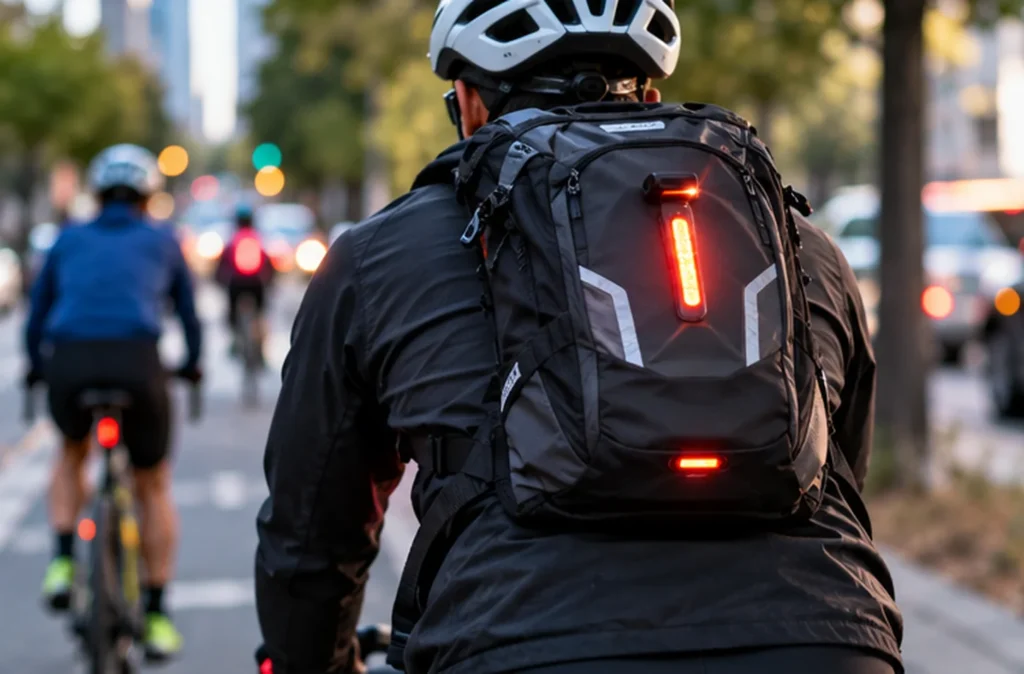
Lezyne’s official product specifications claim detection of approaching vehicles from up to 150 meters away. That is a maximum advertised range, not a promise that every vehicle will be recognized at exactly that distance. Road shape, relative speed, surrounding objects, and system behavior can affect real-world detection.
Automatic Brake Light: The Standout Upgrade
The headline feature is automatic brake-light activation. When the unit detects deceleration, its rear light increases its output to communicate that the bicycle is slowing. Bikerumor’s launch coverage notes that the effect can operate with steady or flashing lighting modes. The intention is familiar from motor vehicles: a changing light draws attention to a change in speed.
However, a brighter lamp does not guarantee a following driver will see it, understand it, or leave adequate stopping distance. Nor does the feature replace hand signals where required or appropriate. Think of the brake light as a visibility enhancement rather than an active warning that can prevent a crash on its own.
How Bright Is the Radar Pro 300?
Lezyne lists a maximum 300-lumen Day Flash mode among seven output modes. That high number applies to a specific mode, not constant brightness across every setting. Daytime flashing can help attract attention in bright conditions, while other modes may be more suitable for darker roads, group rides, and battery conservation.
Brightness is not the only lighting metric that matters. Beam distribution, mounting angle, contrast against the environment, and local rules also influence usefulness. A powerful rear light aimed directly into another cyclist’s eyes may be unpleasant during a group ride. Set the beam so it remains visible without unnecessarily dazzling riders immediately behind you. For front-light choices, see our guide to out-front bike lights.
Battery Life and USB-C Charging
The manufacturer specifies a 2,000 mAh rechargeable battery and up to 24 hours of runtime, charged through USB-C. That maximum should not be read as 24 hours at the brightest 300-lumen setting. Runtime varies with the chosen mode and other operating conditions. Before a long ride, consult the manufacturer’s current mode-by-mode battery chart rather than assuming the headline figure applies to your preferred setting.
Pairing With Computers, Apps, and Other Lights
Lezyne advertises Bluetooth and ANT+ connectivity. The radar can work with compatible ANT+ cycling computers, the company’s radar smartphone application, and its React Drive Front light ecosystem. Road Bike Action’s first look highlights how a connected computer or front light can show approaching-traffic information.
Before purchasing, verify compatibility with the exact computer model and firmware you own. The existence of ANT+ on two devices does not automatically mean every alert format, feature, or setting is supported. If you prefer riding without a computer, check phone-mounting and app-alert options, including whether the phone needs to remain awake and how you will hear notifications amid road noise.
A New Quarter-Turn Mount and Aero-Post Adapters
Mounting is more important than it sounds. A radar device needs a clear view behind the bike and should remain secure on rough pavement. The Radar Pro 300 uses a quarter-turn mounting system with supplied adapters for D-shaped and aero seatposts. Its compact body also makes it easier to fit around bags and other accessories.
Lezyne lists IPX7 water resistance, which is reassuring for wet rides, but it does not mean you should ignore the charging-port seal or manufacturer care instructions. The reported light-only weight is 94 grams; the installed weight is higher once the mount and adapter are included. If you carry a large saddlebag, check that it will not obstruct the radar’s rearward view or cover the light.
How Does It Compare With Other Radar Lights?
The new Lezyne belongs to an established category rather than inventing it. Other radar products use different combinations of displays, camera recording, rear lights, mounts, and battery systems. The important comparison points are detection consistency, warning clarity, supported devices, mounting security, battery life in the mode you use, warranty support, and replacement-part availability.
TodoMountainBike’s October report describes the new braking alerts and vehicle notifications, while BrujulaBike’s launch summary examines the same feature set. These launch descriptions are useful for specifications, but independent long-term tests will be more informative about false alerts, missed detections, and everyday durability.
Pre-Ride Setup Checklist
- Charge the light fully and install any relevant firmware updates.
- Secure the correct seatpost mount and confirm the unit cannot rotate.
- Pair the radar with your specific computer, phone app, or compatible front light.
- Test alerts in a controlled, low-risk setting before relying on them in traffic.
- Choose an appropriate light mode and confirm estimated runtime.
- Make sure bags, jackets, and mudguards do not hide the lens or sensor.
This setup approach also fits the principles discussed in our connected bicycle safety systems guide: technology is most useful when the rider understands both what it can detect and what it cannot.
Is the Lezyne Radar Pro 300 Worth Buying in 2026?
At its published $179.99 US list price, the Radar Pro 300 makes the most sense for cyclists who regularly share roads with motor traffic and want one device for rear lighting, vehicle alerts, and a deceleration-based light signal. The advertised 150-meter detection range, seven light modes, USB-C charging, and adaptable mounting make it a credible option on paper.
The missing piece at launch is extensive independent real-world evidence about reliability in different traffic patterns and weather conditions. Buy for a specific problem in your riding routine, confirm compatibility before checkout, and remember that a radar light adds awareness rather than replacing safe road positioning and judgment. Used with those expectations, it may be a useful upgrade to a thoughtful cycling safety setup.