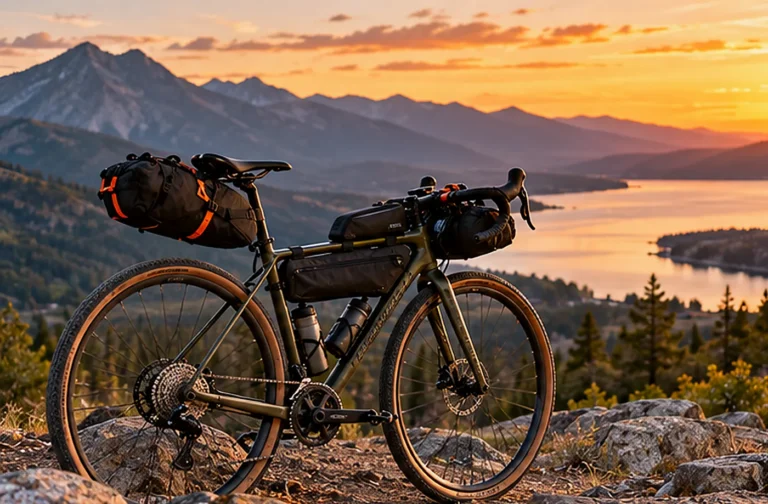
Gravel cycling can look intimidating when new bikes carry racing-bike prices. The Batch GB.1 gravel bike approaches the category from the opposite direction: a listed US price of $999.99, wide tires, a simple drivetrain, and the ability to ride pavement, dirt roads, and everyday errands without a garage full of specialist equipment. Recent industry coverage has put this budget-oriented build back in the spotlight.
The interesting question is not whether the GB.1 can match a high-end carbon race bike. It is whether its components are sensible for a beginner who wants to explore mixed surfaces without immediately planning expensive upgrades. This guide examines the published specifications, likely compromises, and what to verify at a local bicycle shop. It is an informational buying guide, not a hands-on review.
What Is the Batch GB.1 Gravel Bike?
The GB.1 is a drop-bar, aluminum-frame bicycle designed for riding surfaces that fall between smooth roads and demanding mountain-bike trails. Gravel Cyclist covered the model in October 2026 as an accessible entry point into gravel riding, while PezCycling News highlighted its $999 price point and practical mechanical components.
According to the current Batch GB.1 product listing, the bicycle uses a 6061 double-butted aluminum frame, an aluminum gravel fork, MicroShift Sword shifting, Tektro disc brakes, and 700 × 42 mm tires. The specification is focused on serviceability and versatility, not exceptionally low weight.
Batch GB.1 2026 Key Specifications
- US price: $999.99 listed by Batch.
- Frame: hydroformed, double-butted 6061 aluminum.
- Fork: rigid aluminum gravel fork.
- Drivetrain: MicroShift Sword 1×9 with a 38-tooth chainring.
- Rear cassette: 11–46 teeth.
- Brakes: Tektro MD-C310 mechanical discs with 160 mm rotors.
- Wheels and tires: 700c wheels with 42 mm multi-condition tires.
- Rims: double-wall alloy, listed as tubeless-compatible.
- Other details: flared drop bar, replaceable derailleur hanger, mounts for utility accessories.
Check the current retailer listing before purchase. Some older Batch gravel models and related GB.2 descriptions use different drivetrain specifications, so it is important not to mix them with the GB.1’s presently listed nine-speed configuration.
Is a 1×9 Drivetrain Enough for Gravel Riding?
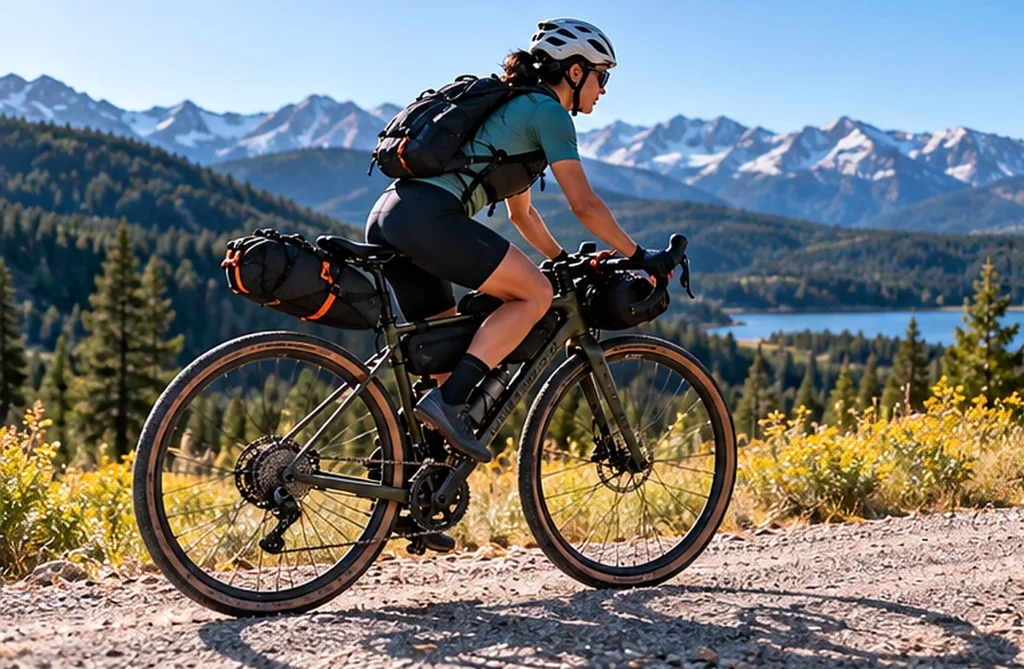
A single front chainring simplifies shifting: there is no front derailleur to coordinate, and riders can focus on the rear gears while watching the trail. The GB.1 uses a 38-tooth ring paired with an 11–46-tooth cassette, providing a useful span between easier climbing gears and faster cruising ratios.
Nine speeds mean bigger steps between some gears than a modern 12- or 13-speed setup. You may occasionally find yourself wishing for an intermediate cadence on long paved climbs or headwind sections. For many first-time gravel riders, however, the tradeoff is reasonable because the system is straightforward to understand and maintain.
What matters more is whether the lowest ratio suits your local hills, fitness, and luggage. A short test climb is more informative than a spreadsheet comparison. iBikeBlog’s explanation of gravel bike technology and geometry helps put these practical gearing choices in context.
Why 42 mm Tires Are a Useful Starting Point
A 700 × 42 mm tire is substantially wider than the narrow tires on many conventional road bicycles. That extra volume can help smooth minor chatter and improve grip when the ride turns from pavement to compacted gravel, provided tire pressure and tread suit the surface.
The GB.1’s stock tires are described as multi-condition gravel tires. That is a sensible compromise for someone who rides streets during the week and dirt roads on weekends. On deep mud, loose sand, or rocky singletrack, a more specialized tire and additional clearance may be necessary. Do not interpret the word “gravel” as permission to tackle every off-road trail.
Batch lists the rims as tubeless-compatible. That does not confirm a complete tubeless setup on the bike as delivered. Ask the shop whether the supplied tires, rim tape, and valves are tubeless-ready and what materials or labor a conversion would require. Learn more about tire clearance and handling in iBikeBlog’s gravel geometry guide.
Mechanical Disc Brakes: Practical but Not Maintenance-Free
At this price, Tektro mechanical disc brakes are an understandable choice. Cable-actuated systems can be serviced with common tools, and disc brakes generally perform more consistently in wet conditions than traditional rim brakes when correctly set up. The GB.1 uses 160 mm rotors at the front and rear.
For beginners, a proper shop assembly and brake check can be worth more than a modest component upgrade. Learn where the lever engages, practice threshold braking on a safe surface, and inspect the rotors after transport or a fall.
What Do You Give Up Compared With More Expensive Gravel Bikes?
The biggest compromises are the rigid aluminum fork, mechanical rather than hydraulic brakes, and the simpler nine-speed drivetrain. Lightweight carbon forks can reduce mass and may offer different vibration characteristics, although their real-world feel varies by construction. More expensive gravel bikes may also have lighter wheels, larger gear counts, integrated storage or additional mounting features.
Batch’s gravel lineup also lists the GB.2 at $1,299.99 with a 1×10 drivetrain. That gives buyers a simple comparison inside the same brand, but the higher price does not automatically make it the better choice. Ask what actually changes beyond the gear count and whether those differences solve a problem you have experienced.
Can the GB.1 Handle Commuting and Bikepacking?
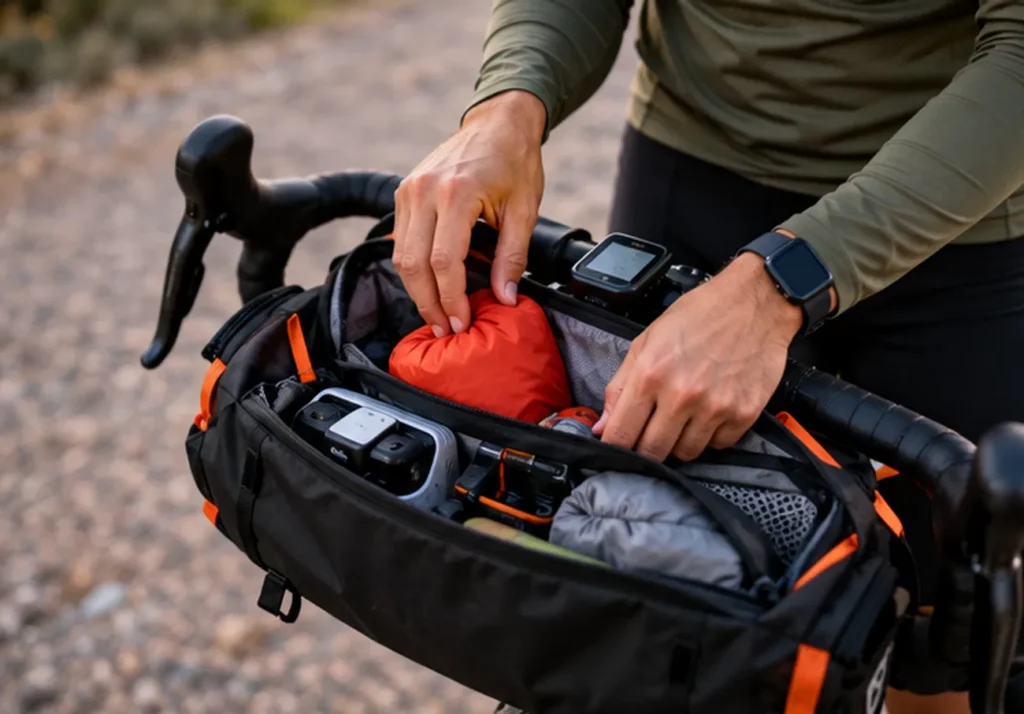
Yes, within sensible equipment and terrain limits, the GB.1’s concept suits mixed-use riding. Rack and fender mounts help with commuting, while bottle and bag mounting options can support longer days outdoors. Verify the available mounts on the exact frame size and the load capacity of the rack or bags you intend to use.
An entry-level gravel bike can be a rewarding way to try a first overnight ride without investing in a dedicated expedition machine. The Bikepacking.com beginner handbook outlines how to pack a light, balanced load and plan manageable routes. On iBikeBlog, the bikepacking equipment guide offers additional advice on bag placement and carrying essentials.
Keep heavy items near the bike’s center, check tire clearance with loaded bags, and avoid overloading a handlebar or seat pack. The GB.1 is designed for adventure riding, but published marketing language is not a substitute for verifying actual equipment limits.
What Do Other Cycling Sources Say?
The Adventure Cycling Association’s discussion of Batch’s gravel lineup emphasizes the value of affordable utility and mounts, while also noting that its earlier hands-on impressions involved an older Gravel Bike Plus, not a complete road test of every current GB.1 component. That distinction matters when reading reviews.
A description of the parts list can support an informed purchase, but it cannot establish how a specific bike feels under your weight, on your hills or with your riding position. If possible, test ride a correctly sized example and consider whether the handlebar reach, saddle placement and brake lever position work for you.
Five Checks Before Buying the Batch GB.1
- Fit: Choose the right frame size and verify standover, reach, and saddle adjustment.
- Terrain: Decide whether your rides involve packed gravel, pavement, or much rougher surfaces.
- Wheels: Ask whether the tires are shipped tubeless or with tubes, and check spare-tire availability.
- Assembly: Confirm that the shop adjusts the shifting, brake pads, and cable tension before handover.
- Total budget: Allow for pedals, a helmet, lights, a pump, basic tools, and any fitting work.
That final point is easy to overlook. Batch’s own specification says pedals are not included, so the sticker price is not necessarily the total you will spend before the first ride. Budgeting for the right accessories helps prevent a bargain bicycle from becoming a frustrating ownership experience.
Who Should Buy the Batch GB.1 in 2026?
The Batch GB.1 gravel bike makes the most sense for a rider who wants one mechanical drop-bar bicycle for paved roads, easy gravel, and occasional light touring. Its component choices are not glamorous, but they form a coherent, approachable package at a published price below $1,000 before accessories.
It is less suitable for shoppers who require the lightest race platform, technical mountain-bike handling, or a premium hydraulic braking setup from day one. The practical conclusion is simple: compare fit and real riding conditions before comparing marketing claims. A well-fitted, properly assembled $999 gravel bike that gets ridden often can be a more satisfying investment than an expensive machine chosen for features you never use.