Cycling has always been a sport of innovation, a relentless pursuit of speed, efficiency, and performance. But with every groundbreaking innovation comes a wave of skepticism, debate, and often, outright controversy. From the earliest days of the Tour de France to the modern era of electronic shifting and carbon fiber everything, the sport has been shaped by a series of technological battles that have pitted tradition against progress. Here, we take a look back at 10 of the most controversial tech changes in cycling history and how they’ve ultimately transformed the sport we love.
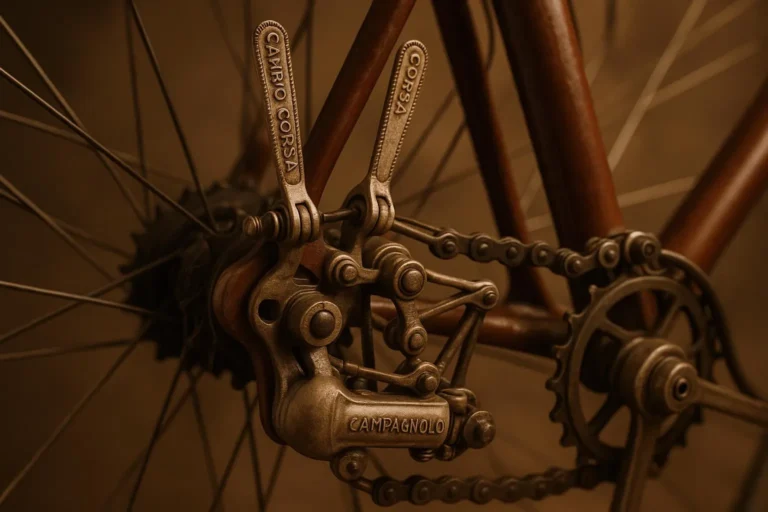
1. Derailleur Gears: The “Artifice” That Changed Everything
It’s hard to imagine a time before derailleur gears, but in the early days of the Tour de France, riders had to manually flip their rear wheels to change gears. When the first derailleur systems were introduced in the 1930s, they were met with scorn by Tour de France founder Henri Desgrange, who famously declared, “Isn’t it better to triumph by the strength of your muscles than by the artifice of a derailleur?” But the convenience and efficiency of the new technology were undeniable, and it wasn’t long before derailleur gears became a standard feature on every race bike.
2. Helmets: A Hard-Headed Debate
The debate over helmets in the professional peloton raged for decades. While Greg LeMond famously used an aero helmet to win the 1989 Tour de France by a mere eight seconds, it wasn’t until 2003 that the UCI mandated their use in all races. The decision was met with resistance from many riders, who complained about the heat and discomfort. But in the end, safety prevailed, and helmets are now a non-negotiable part of every cyclist’s kit.
3. Power Meters: The Numbers Game
When power meters first appeared on the scene, they were hailed as a revolutionary training tool. But when they started to be used in races, they were accused of turning the sport into a boring, numbers-driven exercise. Tour de France director Christian Prudhomme even floated the idea of banning them in 2018, arguing that they discouraged attacking and spontaneous racing. But the genie was already out of the bottle, and power meters are now an indispensable tool for any serious cyclist.
4. Race Radios: The Puppet Masters
The use of race radios has been a source of controversy for years. Proponents argue that they improve safety by allowing for better communication between riders and team cars. But critics contend that they take the decision-making out of the hands of the riders and turn them into puppets controlled by their team directors. The UCI has gone back and forth on the issue, and the debate is likely to continue for years to come.
5. Disc Brakes: The “Salami Slicers”
The introduction of disc brakes to the professional peloton was one of the most contentious tech changes in recent memory. When the UCI first allowed their use in 2016, there were rider strikes and widespread safety concerns, with many riders referring to the rotors as “salami slicers.” But the superior braking performance of disc brakes, especially in wet conditions, was undeniable, and they are now the standard on almost every new road bike.
6. Thru-Axles: A Slower Change?
Along with disc brakes came thru-axles, which were met with their own set of complaints from the pro ranks. Riders and mechanics alike grumbled about slower wheel changes and a lack of standardization. But the industry eventually settled on a common standard, and with a little practice, mechanics have become just as fast at changing a thru-axle wheel as they were with a quick-release.
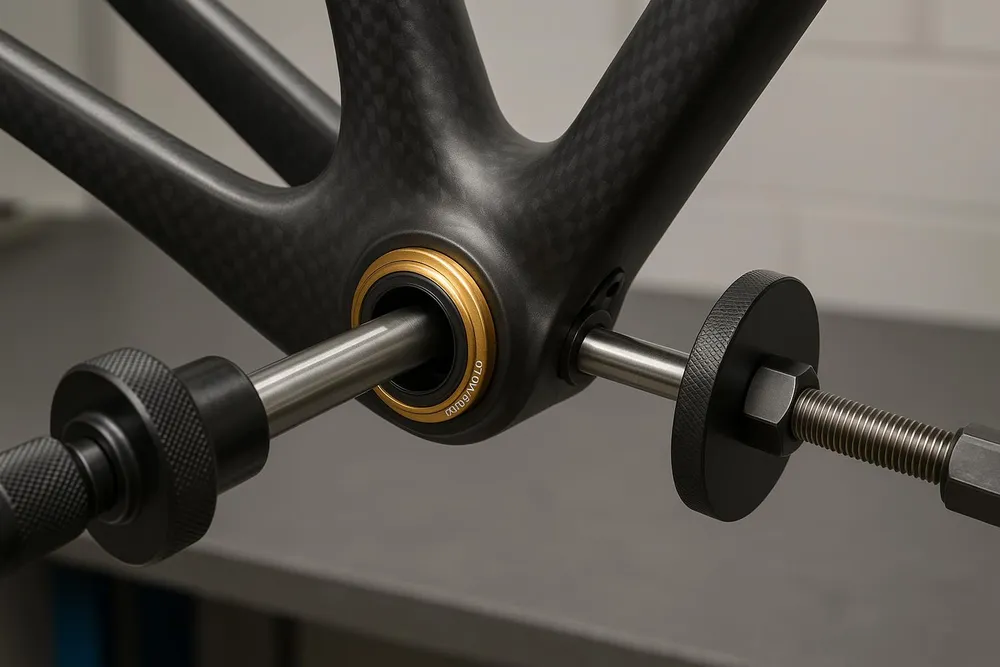
7. Press-Fit Bottom Brackets: A Creaky Revolution
Press-fit bottom brackets were introduced as a way to make frames lighter and stiffer. But they quickly gained a reputation for being creaky, unreliable, and a nightmare to service. The industry has since started to move back towards threaded bottom brackets, a tacit admission that the press-fit experiment was a failure.
8. Internal Cable Routing: A Mechanic’s Nightmare
Internal cable routing may look clean and aerodynamic, but it’s often a major headache for mechanics. The tight bends and confined spaces can make it difficult to service cables, and a simple adjustment like raising the stem can turn into a major undertaking. The rise of electronic and wireless shifting has mitigated some of these issues, but internal cable routing remains a source of frustration for many.
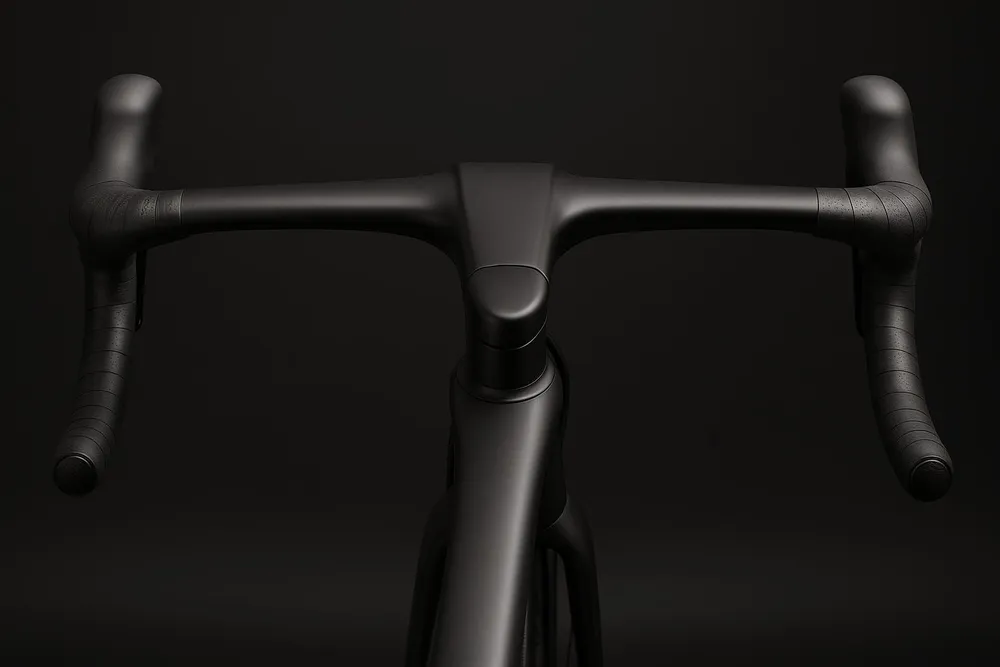
9. One-Piece Cockpits: A Lack of Adjustability
One-piece cockpits are another trend that prioritizes aesthetics and aerodynamics over adjustability. While they may look sleek and integrated, they lock the rider into a specific stem length and bar width, with little to no room for adjustment. This may work for the pros, who have access to custom-made components, but it’s a major drawback for the average cyclist.
10. Tubeless Tires and Hookless Rims: The Current Controversy
The latest tech controversy to rock the cycling world is the debate over tubeless tires and hookless rims. While tubeless technology has been around for a while, the recent trend towards hookless rims has raised new safety concerns. A series of high-profile incidents has led many pro riders to call for a ban on hookless rims, and the UCI has launched an investigation into their safety. The outcome of this debate is still uncertain, but it’s a reminder that the evolution of cycling technology is a never-ending process.
For more insights on cycling and technology, explore our comprehensive guides on The Hookless Rim Controversy: Why Pro Riders Want Them Banned and What It Means for Your Next Wheel Upgrade, and Bike Radar Technology: How Safety Systems Are Giving Cyclists Confidence to Take the Lane in 2025.
Explore additional resources on BikeRadar: 10 most controversial changes in road-cycling tech from the last 100 years, UCI Equipment Regulations, The History of the Derailleur, The Evolution of the Bicycle Helmet, and A Brief History of Power Meters.