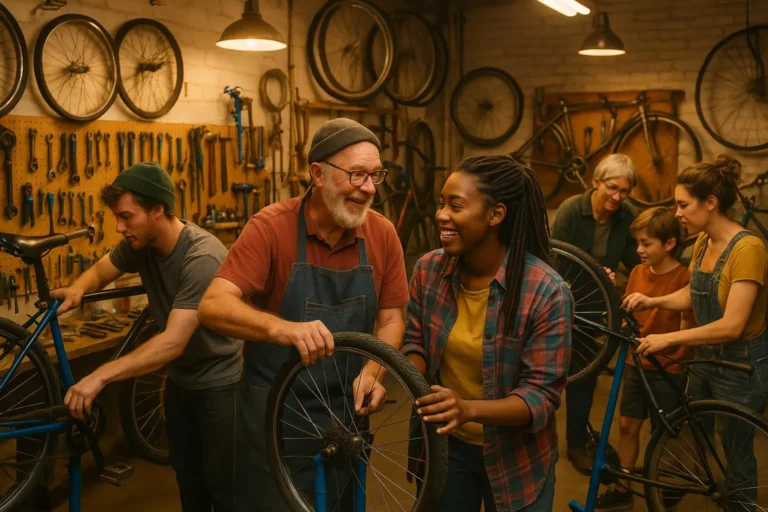
In a world of planned obsolescence and proprietary technology, a quiet revolution is taking place in the cycling community. It’s a movement that champions the right to repair, the value of DIY maintenance, and the importance of sustainability. And in 2025, with International Repair Day just around the corner on October 18th, this movement is gaining more momentum than ever before.
This is not just about saving a few dollars on bike repairs. It’s about a fundamental shift in how we think about our bikes and our relationship with the companies that make them. It’s about empowering cyclists with the knowledge and skills to fix their own bikes, and it’s about pushing back against a throwaway culture that is all too prevalent in our society.
The Rise of the DIY Mechanic: Why More Cyclists are Taking Matters into Their Own Hands
There are a number of factors driving the right to repair movement in cycling. The current economic climate is certainly one of them. With inflation on the rise and household budgets being squeezed, many cyclists are looking for ways to save money. And one of the easiest ways to do that is to learn how to do your own bike maintenance.
But it’s not just about the money. For many cyclists, there is a deep sense of satisfaction that comes from being able to fix your own bike. It’s a way of connecting with your machine on a deeper level, and it’s a way of taking control of your own cycling experience. As Simon Beatson, general manager of Ritchey Design, puts it, “The money saved in fixing your bike is one thing, but the skills earned by learning how to do it yourself are yours for life.”
Community and Collaboration: The Power of the Bike Repair Collective
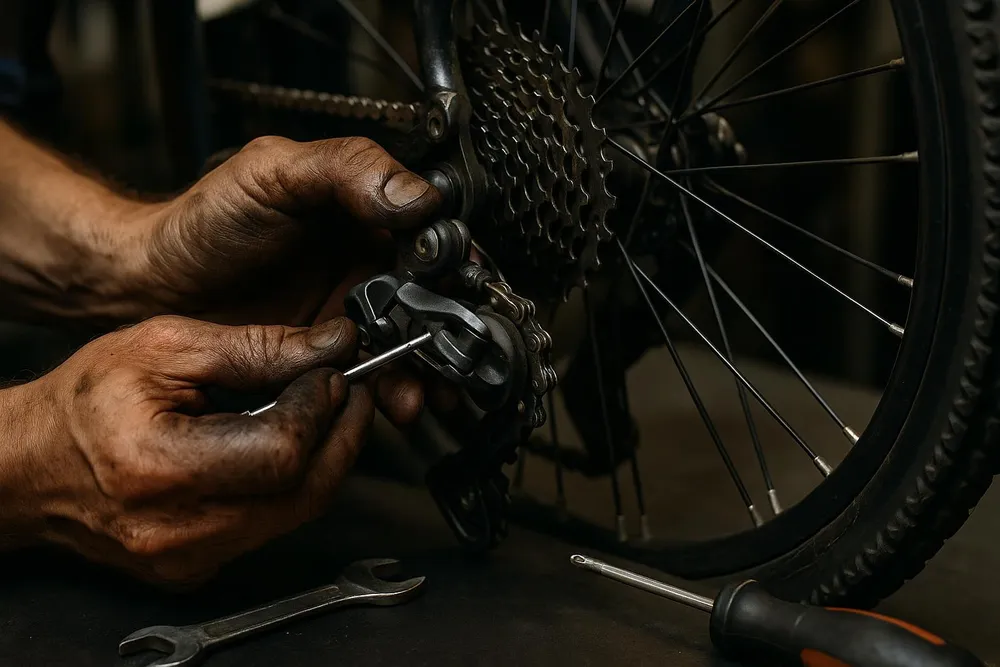
Another key driver of the right to repair movement is the rise of community bike repair collectives. These are non-profit organizations that provide a space, tools, and guidance for people who want to learn how to fix their own bikes. There are now over 200 of these collectives worldwide, and they are playing a vital role in empowering cyclists and building a more sustainable cycling culture.
These collectives are more than just bike shops. They are community hubs where people can come together to share their knowledge, their skills, and their passion for cycling. They are places where you can learn how to true a wheel, bleed a brake, or overhaul a bottom bracket. And they are places where you can connect with other cyclists and become a part of a larger community.
A Call for Change: How the Cycling Industry is Responding to the Right to Repair Movement
The right to repair movement is not just a grassroots phenomenon. It’s also having an impact on the cycling industry. Some companies, like Ritchey Design, are embracing the movement and actively supporting their customers’ right to repair. They are designing products that are user-serviceable, and they are providing detailed instructions and videos to help their customers with their repairs.
Other companies, however, have been slower to embrace the movement. They have been criticized for using proprietary designs and for making it difficult for their customers to find the parts and information they need to do their own repairs. But as the right to repair movement continues to grow, these companies will find it increasingly difficult to ignore the demands of their customers.
The Road Ahead: The Future of Bike Repair is in Your Hands
The right to repair movement is a powerful force for change in the cycling world. It’s a movement that is empowering cyclists, building community, and creating a more sustainable cycling culture. And it’s a movement that is just getting started.
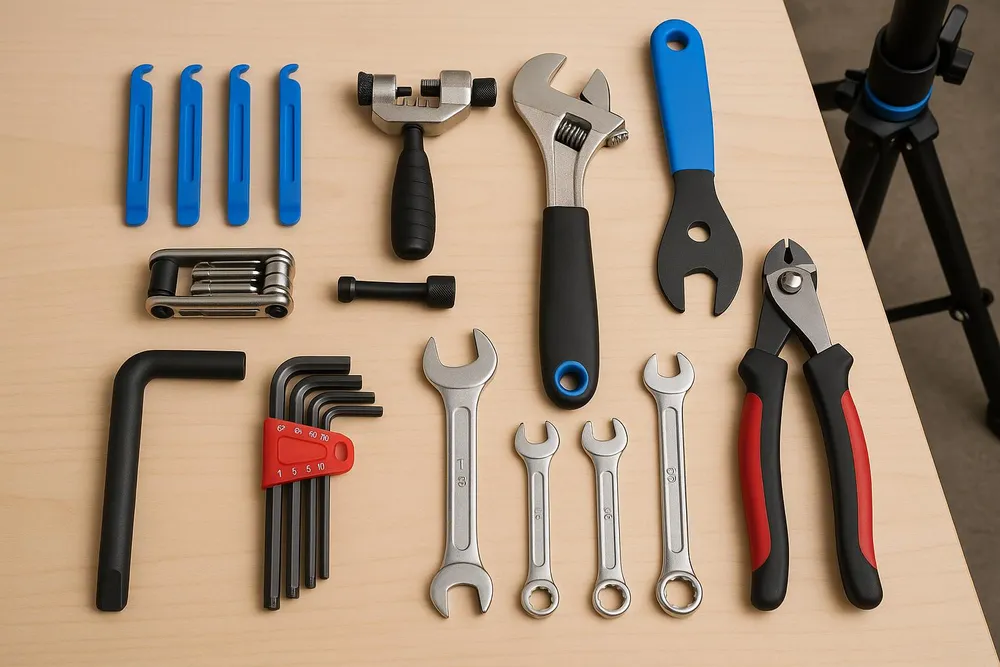
As we look to the future, we can expect to see even more cyclists taking matters into their own hands. We will see the development of even more resources and tools to help people with their repairs. And we will see a cycling industry that is more responsive to the needs and desires of its customers. The future of bike repair is in your hands. So, grab a wrench, get your hands dirty, and join the revolution.
For more insights on cycling and technology, explore our comprehensive guides on Smart Bike Maintenance: How IoT and AI Are Revolutionizing Bike Care in 2025, and The Bike Commuting Renaissance: Why 2025 is the Best Year Ever to Ditch Your Car for Two Wheels.
Explore additional resources on Bicycle Retailer: ‘Fix it, don’t ditch it!’ celebrates International Repair Day, The Right to Repair Movement, Bikerowave Community Bicycle Repair Collective, Ritchey Design’s Repair Philosophy, and Find a Bike Kitchen/Co-op Near You.