The Engineering Evolution of Saddle Comfort in 2026
Saddle pain is a common complaint among cyclists, but it shouldn’t be accepted as a normal part of riding. In 2026, the cycling industry has made massive strides in cycling saddle technology, focusing heavily on comfort engineering and pressure relief. The days of simply adding more foam to a seat are gone. Today, manufacturers are utilizing advanced materials science, biomechanical analysis, and innovative manufacturing techniques to create saddles that support the sit bones while protecting sensitive soft tissue.
The core principle driving modern saddle design is the need to support the skeletal structure while relieving pressure on the perineal area. This is achieved through a combination of shape, padding, and structural design. A poorly fitting saddle can lead to numbness, discomfort, and even long-term health issues. Therefore, investing in a saddle that utilizes the latest ergonomic advancements is one of the most significant upgrades a cyclist can make. It is just as crucial for your overall riding experience as understanding Bike Fit Technology and 3D Body Scanning 2026.
3D-Printed Adaptive Padding
Perhaps the most visually striking and technologically advanced innovation in 2026 is the widespread adoption of 3D-printed padding. Pioneered by brands like Fizik and Specialized, this technology replaces traditional closed-cell foam with a complex lattice structure. This lattice is created using digital light synthesis, allowing engineers to precisely tune the density and firmness of the saddle across different zones. This concept, often referred to as ‘zonal cushioning’, means the saddle can be firm where support is needed (under the sit bones) and soft where pressure relief is critical.
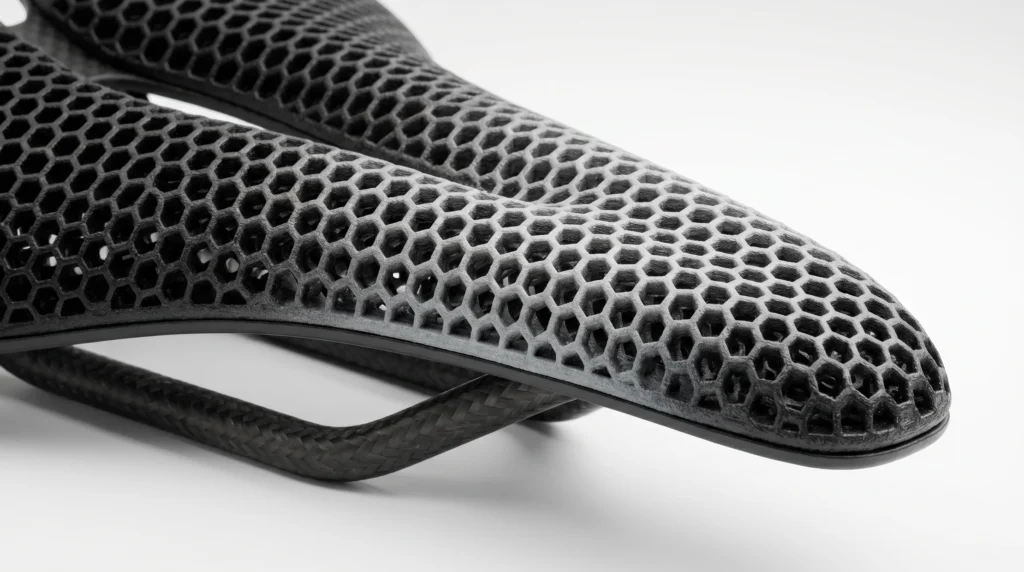
The benefits of 3D-printed saddles are substantial. According to Fizik’s Adaptive technology research, these saddles can achieve a 60% reduction in peak pressure through improved weight distribution. Furthermore, the open lattice structure provides excellent ventilation, helping to regulate temperature and moisture during long rides. While these saddles represent a premium investment, the unparalleled comfort and personalized support they offer make them a highly sought-after upgrade for serious cyclists.
Pressure Relief Channels and Cut-Outs
While 3D printing is the cutting edge, the refinement of pressure relief channels and cut-outs remains a cornerstone of modern saddle design. The engineering evolution of pressure relief has moved from simply cutting a hole in the middle of the saddle to carefully designing channels that run the length of the seat. These channels are specifically engineered to reduce pressure on the pudendal nerve and surrounding blood vessels, which is essential for preventing numbness and maintaining long-term health.
The effectiveness of these designs is backed by science. Research highlighted by BiSaddle on the science of pressure relief indicates that traditional saddles can significantly reduce oxygen pressure in sensitive areas. Modern saddles with well-designed cut-outs mitigate this risk, ensuring adequate blood flow even during extended periods in an aggressive riding position. When choosing a saddle, it is vital to look for pressure relief features that match your specific anatomy and riding style. This attention to detail is similar to the precision required when selecting Aerodynamic Helmet Technology Wind Tunnel 2026 for optimal performance.
Materials Science and Structural Design
The materials used in the construction of the saddle shell and rails also play a crucial role in overall comfort. In 2026, carbon fiber reinforced nylon is a popular choice for the shell, offering a balance of low weight and tuned flex. This flex is intentional, allowing the saddle to move slightly with the rider’s pedal stroke, which helps to absorb road vibrations and reduce fatigue. The rails, which connect the saddle to the seatpost, are typically made from carbon fiber, titanium, or advanced steel alloys like chromoly, each offering different levels of vibration damping and weight savings.
The shape of the saddle is equally important. We are seeing a continued trend towards shorter-nosed saddles, which allow riders to adopt a more aggressive, aerodynamic position without putting undue pressure on soft tissue. These shorter saddles often feature a wider rear section to provide a stable platform for the sit bones. Finding the right shape requires understanding your flexibility and how you sit on the bike. For those looking to optimize their entire setup, integrating a new saddle with Solid-State Battery Technology and E-Bike Range Revolution for 2026 can transform your commuting or touring experience.
Finding Your Perfect Fit
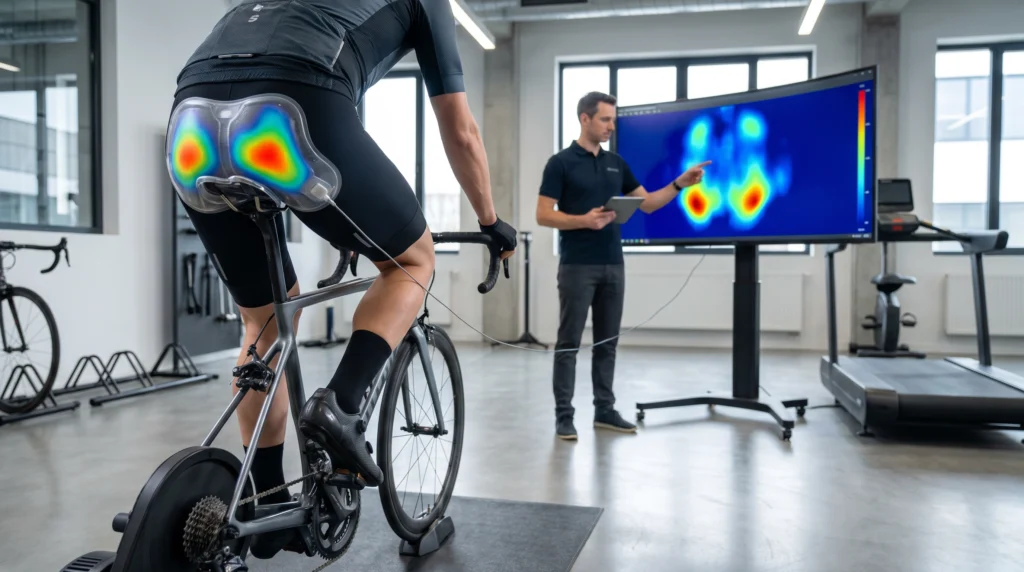
Despite all the technological advancements, finding the perfect saddle remains a highly personal endeavor. What works for one rider may be agonizing for another. Therefore, professional bike fitting and saddle testing are more important than ever. Many bike shops now offer saddle pressure mapping, a technology that uses a sensor pad to visualize exactly where pressure is being applied while you ride. This data-driven approach takes the guesswork out of saddle selection, ensuring you find a model that provides optimal support and relief.
When testing a new saddle, it is essential to give your body time to adapt. A saddle that feels slightly firm initially may prove to be incredibly comfortable on a long ride, as it provides the necessary support to prevent your sit bones from sinking through the padding. Conversely, a saddle that feels overly plush in the shop may lead to chafing and numbness on the road. For more advice on finding the right seat, Bicycling Magazine’s guide to stopping saddle pain offers excellent tips and recommendations.
In conclusion, the advancements in cycling saddle technology in 2026 offer riders unprecedented levels of comfort and performance. By understanding the benefits of 3D-printed padding, pressure relief channels, and advanced materials, you can make an informed decision that will transform your riding experience. Remember that a comfortable saddle is not a luxury; it is a necessity for enjoying your time on the bike and achieving your cycling goals. If you are also interested in how technology is improving safety, be sure to read about AI Smart Bike Lights That Adapt to Traffic in 2026.