The Science of Cycling Recovery in 2026
The landscape of athletic performance is undergoing a massive transformation as we move deeper into 2026. Riders are no longer relying solely on grueling training blocks to get faster. Instead, the industry has fully embraced the science of cycling recovery and muscle regeneration. We now understand that you don’t get stronger while you are riding; you get stronger while you are recovering from the ride.
Furthermore, the integration of advanced technology into our daily routines has made elite-level recovery protocols accessible to amateur cyclists. From smart compression garments to sophisticated sleep tracking wearables, the tools available today allow us to monitor and optimize our physiological state with incredible precision. In this comprehensive guide, we will explore the most effective strategies for accelerating muscle repair and ensuring you are ready for your next big effort.
Active Recovery: The Art of the Easy Spin
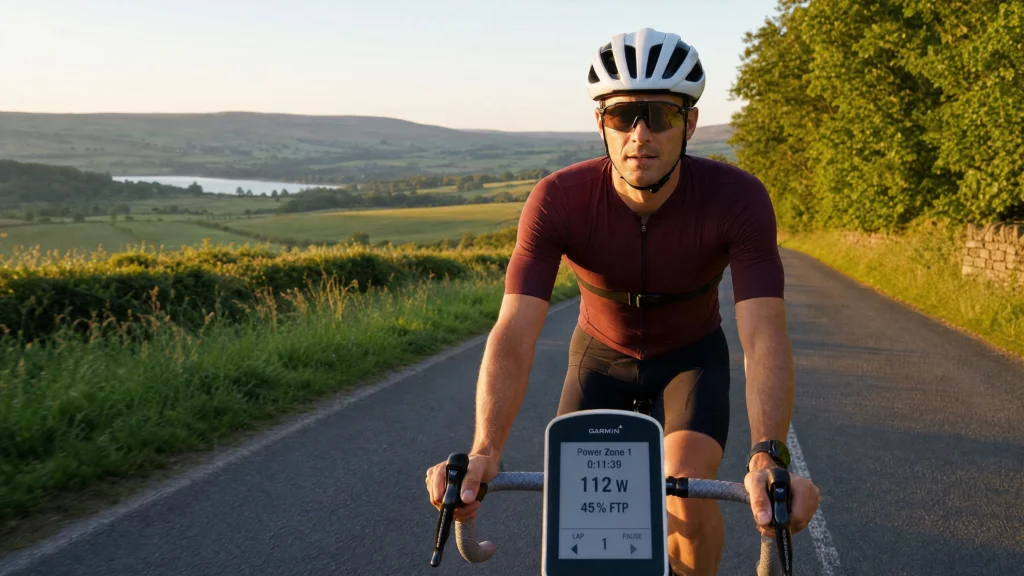
One of the most misunderstood concepts in cycling is the active recovery ride. Many cyclists believe that any ride done at a moderate pace qualifies as recovery. However, true active recovery requires strict discipline. The goal is to promote blood flow to fatigued muscles, delivering oxygen and nutrients while clearing metabolic waste products like lactate, without inducing further training stress.
According to experts at Roadman Cycling, an effective active recovery ride should be kept strictly below 55% of your Functional Threshold Power (FTP), or Zone 1. Heart rate should remain below 65% of your maximum. These are not conservative guidelines; they are the physiological thresholds at which the ride stops producing a recovery benefit and starts adding to your fatigue.
Duration is equally important. A recovery spin should typically last between 30 and 45 minutes. Extending the ride beyond an hour provides no additional recovery benefit and risks depleting glycogen stores. The key is to finish the ride feeling better and more supple than when you started. If you find yourself pushing the pace to keep up with friends, you are no longer recovering.
Compression Gear and Muscle Repair
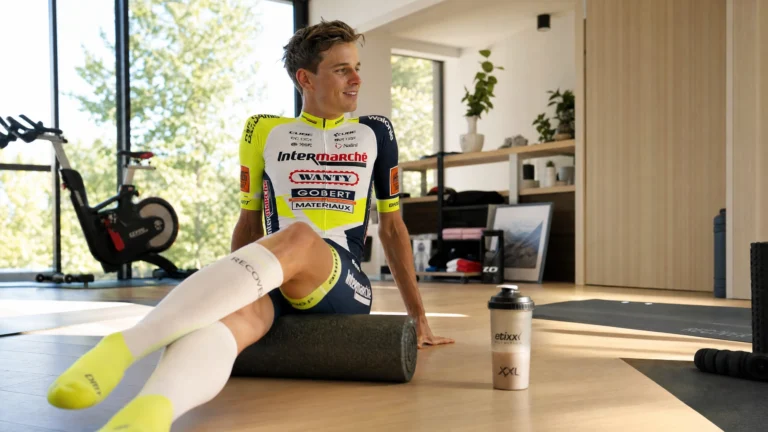
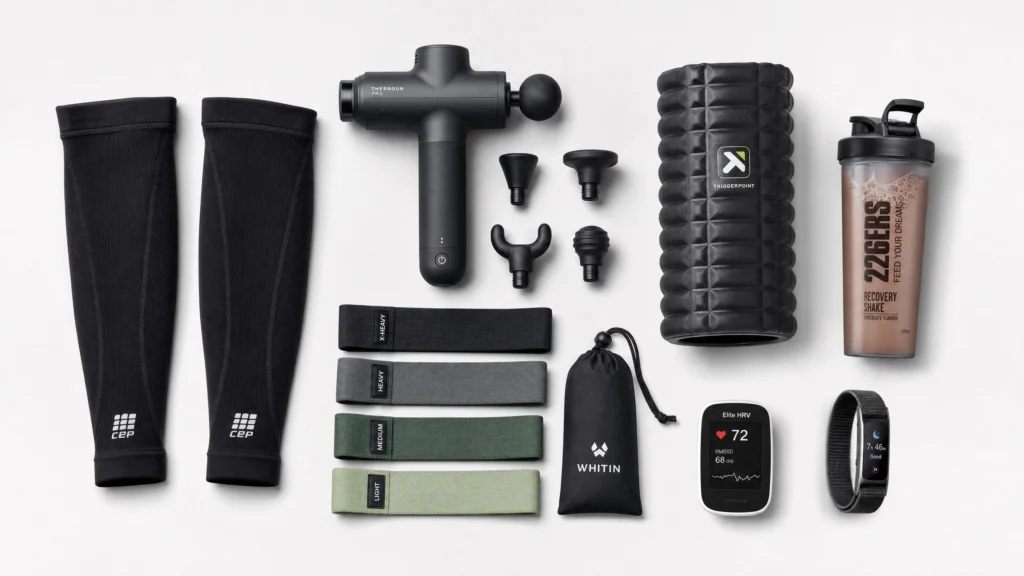
Compression technology has evolved significantly by 2026. What started as simple tight socks has developed into engineered garments designed to apply specific gradient pressure to the limbs. This targeted compression enhances venous return, helping to push deoxygenated blood back to the heart more efficiently.
The benefits of wearing compression gear post-ride are well-documented. By improving circulation, these garments help reduce the perception of delayed-onset muscle soreness (DOMS) and minimize swelling. While studies, such as those highlighted by Runners Need, suggest that compression may not directly increase power output, the reduction in perceived fatigue allows athletes to approach their next training session with greater mental and physical readiness.
Beyond passive garments, pneumatic compression boots have become a staple in the cyclist’s recovery toolkit. These devices use compressed air to massage the legs, mimicking the effects of a professional sports massage. By systematically inflating and deflating, they help mobilize fluid and accelerate the clearance of metabolic byproducts, making them an excellent addition to your cycling recovery routine.
Sleep and HRV Monitoring
No amount of massage or active recovery can replace the fundamental importance of sleep. During deep sleep, the body releases human growth hormone (HGH), which is critical for tissue repair and muscle regeneration. In 2026, we are no longer just guessing about our sleep quality; we are measuring it meticulously.
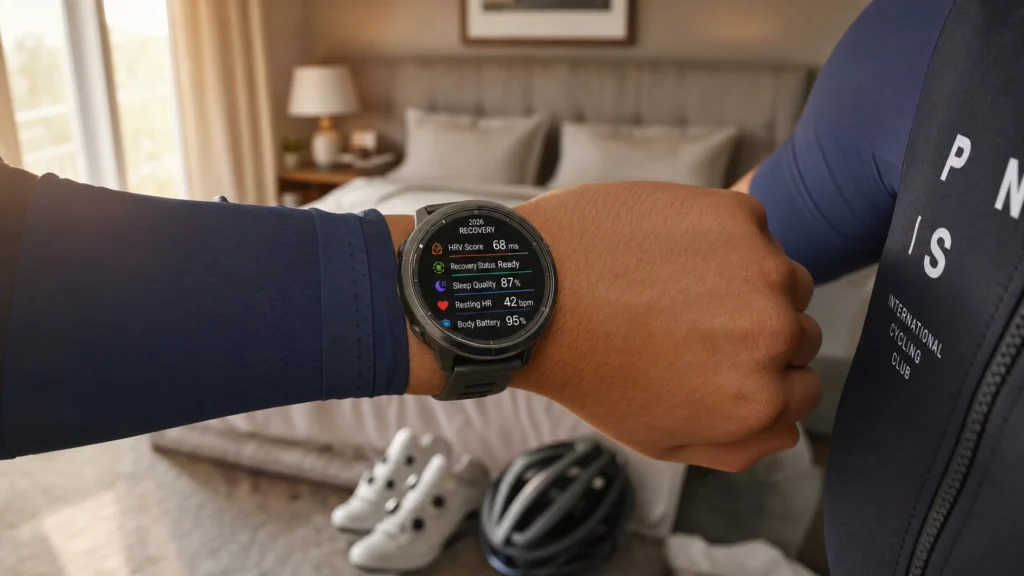
Wearable technology, such as advanced smartwatches and recovery rings, now provide detailed insights into our sleep architecture. These devices track the time spent in light, deep, and REM sleep stages, offering a comprehensive sleep score each morning. More importantly, they monitor Heart Rate Variability (HRV), which is the variation in time between consecutive heartbeats.
HRV is a powerful indicator of your autonomic nervous system’s status. A high HRV suggests that your body is relaxed and ready to absorb training stress, while a low HRV indicates that you are still fatigued or fighting off illness. By tracking these metrics daily, cyclists can make informed decisions about whether to push hard in a workout or take a much-needed rest day. Platforms like Whoop and Oura have made this data accessible and actionable for everyone.
Nutrition Timing for Regeneration
Recovery nutrition is the fuel that drives muscle regeneration. The critical window for replenishing glycogen stores and initiating muscle repair occurs immediately after your ride. Consuming a mix of carbohydrates and protein within the first 30 to 60 minutes is essential for maximizing recovery efficiency.
The generally accepted ratio is 3:1 or 4:1 carbohydrates to protein. Carbohydrates restock the depleted glycogen in your muscles, while protein provides the amino acids necessary to repair micro-tears in the muscle fibers. A high-quality recovery shake or a meal like chicken and rice can kickstart this process. For more detailed fueling strategies, refer to our guide on cycling nutrition.
Hydration is equally vital. Replacing the fluids and electrolytes lost through sweat ensures that your cardiovascular system functions optimally and helps prevent cramping. Monitoring your urine color is a simple but effective way to gauge your hydration status post-ride.
Conclusion
Mastering cycling recovery and muscle regeneration in 2026 requires a holistic approach. By combining disciplined active recovery rides, utilizing advanced compression technology, prioritizing sleep, and nailing your nutrition timing, you can significantly enhance your body’s ability to bounce back from hard efforts.
As you integrate these practices into your routine, remember that consistency is key. Recovery is not something you do only after a race; it is a daily commitment to your long-term athletic development. Listen to your body, leverage the data provided by modern wearables, and respect the process. For more tips on optimizing your cycling experience, explore our insights on saddle comfort engineering and ride stronger tomorrow.