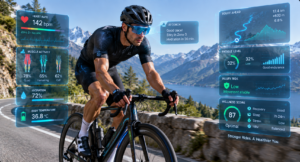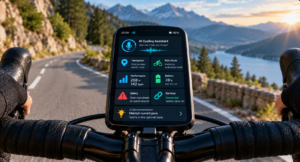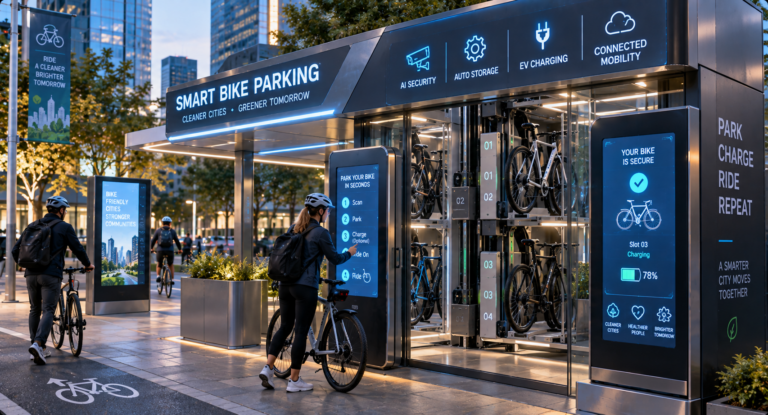
As cities continue investing in smarter transportation systems, bicycle infrastructure is evolving beyond traditional racks and parking areas. In 2026, autonomous smart bike parking 2026 is introducing AI-powered storage systems, robotic parking solutions, connected security networks, and intelligent charging hubs designed to improve urban cycling convenience.
Future bicycle parking systems may not simply provide a place to leave a bike. They may actively manage storage, protect bicycles, monitor ownership information, provide charging services, and connect riders with smart city networks.
The development of connected mobility systems is increasing interest in intelligent infrastructure that combines IoT sensors, automation, and digital services to improve transportation efficiency.
The Evolution of Bicycle Parking Systems
Traditional bicycle parking has remained relatively simple for decades. Riders typically rely on fixed racks, locks, and personal security methods to protect their bicycles.
However, as bicycles become more expensive and technologically advanced, cities are exploring smarter parking solutions.
Future autonomous bike parking systems may include:
- Automated storage systems
- AI-powered security monitoring
- Digital access control
- Electric charging stations
- Connected maintenance services
These features can transform bicycle parking into an intelligent mobility service.
This connects with our article about Smart Cycling Infrastructure 2026.
How Autonomous Bike Parking Works
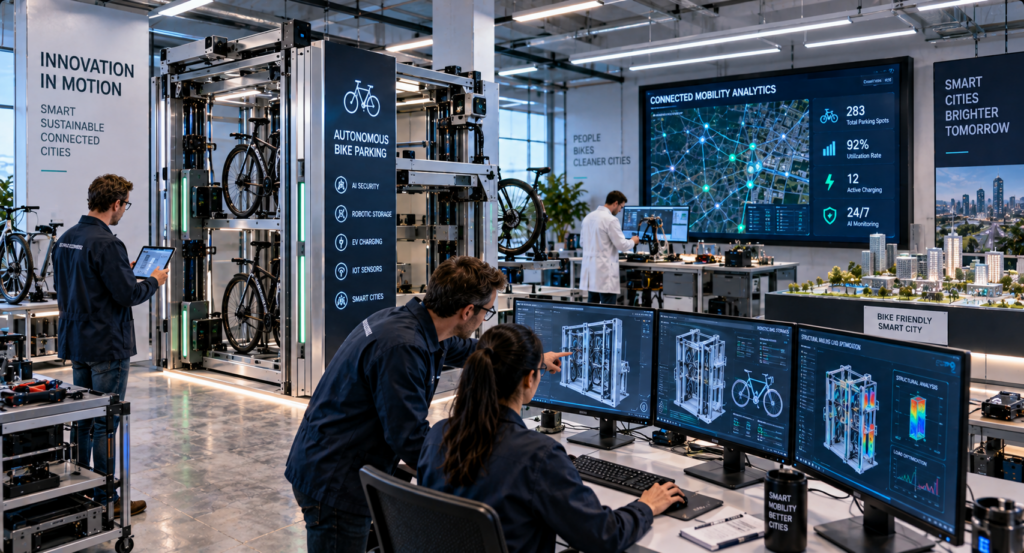
Autonomous bike parking systems combine robotics, sensors, software platforms, and security technology to manage bicycles automatically.
A smart parking facility may use:
- Robotic storage platforms
- AI cameras
- Digital identification systems
- Smart locks
- Cloud-connected management software
When a cyclist arrives, the system can identify the rider, locate available storage space, and securely store the bicycle.
This creates a faster and more secure alternative to traditional parking methods.
AI-Powered Bicycle Security
Security is one of the biggest challenges facing bicycle owners, especially in urban environments. Smart parking systems may reduce theft risks by combining multiple security technologies.
AI security features may include:
- Facial recognition access
- Digital ownership verification
- Motion detection
- Real-time monitoring
- Unauthorized access alerts
Artificial intelligence can analyze unusual activity and notify operators or owners when potential problems occur.
This connects with our article about AI Bicycle Safety Systems 2026.
Smart Charging Hubs for Electric Bicycles
The growth of electric bicycles creates new opportunities for intelligent parking infrastructure. Future bike parking stations may combine storage with charging services.
Smart charging hubs may provide:
- Automatic charging connections
- Battery health monitoring
- Charging schedules
- Energy optimization
- Usage tracking
This can make electric bicycle ownership more convenient for commuters and urban riders.
AI-powered energy management is becoming increasingly important as e-bike systems become more connected.
This connects with our article about Smart E-Bike Energy Ecosystems 2026.
Digital Bicycle Identity and Ownership Tracking
As bicycles become connected devices, digital ownership records may become an important part of smart parking ecosystems.
A connected parking platform may recognize:
- Bicycle identity
- Owner information
- Service history
- Battery status
- Component information
This creates a seamless connection between bicycle ownership and urban infrastructure.
This connects with our article about Digital Bike Ownership 2026.
Smart Parking Applications and Rider Services
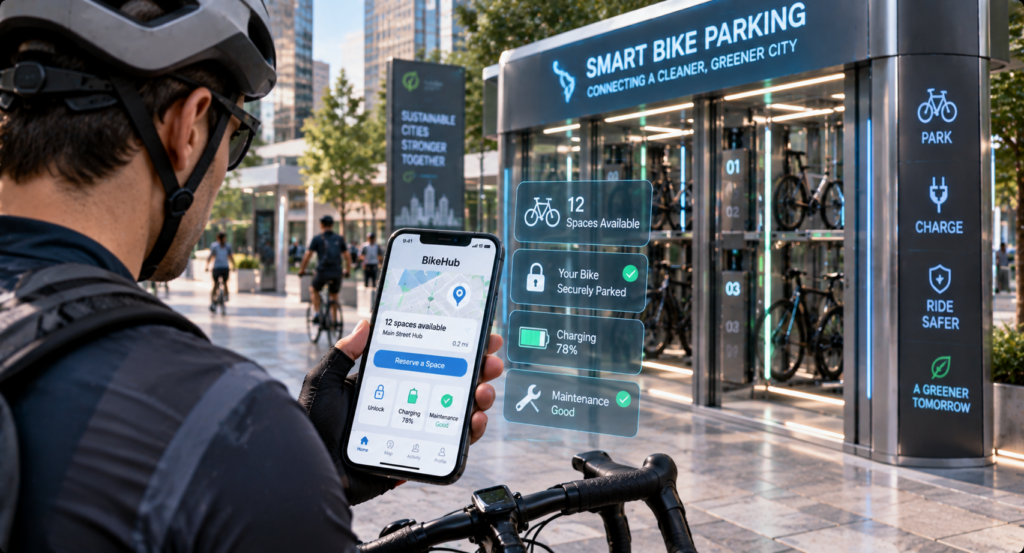
Mobile applications will likely become an important part of future bicycle parking networks.
A smart bike parking app may allow riders to:
- Reserve parking spaces
- Locate available storage
- Unlock bicycles remotely
- Monitor charging status
- Receive maintenance alerts
This creates a more connected relationship between cyclists and city infrastructure.
Integration With Smart Cities
Autonomous bike parking systems may become part of larger smart city networks.
Future integration may include:
- Traffic management systems
- Public transportation networks
- Bike-sharing platforms
- Smart road infrastructure
- Urban mobility analytics
By connecting bicycle infrastructure with city systems, planners can better understand cycling patterns and improve transportation planning.
AI Optimization of Bicycle Storage
Artificial intelligence may help cities manage bicycle parking demand more efficiently.
AI systems could analyze:
- Parking usage patterns
- Peak cycling times
- Location demand
- Weather effects
- Commuter behavior
This information can help cities decide where additional infrastructure is needed.
Benefits for Different Cyclists
Urban Commuters
Smart parking systems can provide safer and more convenient bicycle storage during work or daily travel.
E-Bike Owners
Electric bicycle riders can benefit from secure charging and battery management services.
Bike Share Users
Connected parking networks can improve availability and management of shared bicycles.
The Future of Autonomous Smart Bike Parking
The future of bicycle infrastructure is becoming increasingly automated and connected.
Future developments may include:
- Fully robotic bicycle storage facilities
- AI-managed charging stations
- Digital bicycle passports
- Integrated smart city platforms
- Automated maintenance services
As bicycles become smarter, the infrastructure supporting them will need to become smarter as well.
Conclusion
Autonomous smart bike parking in 2026 represents the next evolution of urban cycling infrastructure. By combining artificial intelligence, robotics, digital ownership systems, and connected mobility services, future parking solutions may make cycling safer, easier, and more practical.
The future bicycle ecosystem will not only include smarter bikes but also smarter places to store, charge, and manage them.