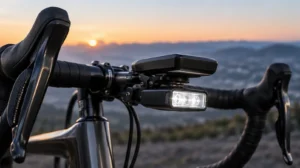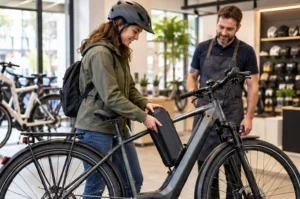
As bicycles become more connected, ownership is evolving beyond simply purchasing a physical machine. In 2026, digital bike ownership 2026 is introducing smarter ways to manage bicycle identity, maintenance records, component history, upgrades, and ownership information through connected platforms and digital systems.
Future bicycles may have a complete digital profile that follows the bike throughout its entire lifecycle, from manufacturing and servicing to upgrades and resale.
The growing adoption of connected devices and digital platforms is creating new opportunities for smarter asset management, automated maintenance, and personalized ownership experiences across multiple industries.
The Future of Bicycle Ownership
Traditional bicycle ownership depends mainly on physical documents, receipts, and manual service records. Over time, important information about a bicycle can become difficult to track.
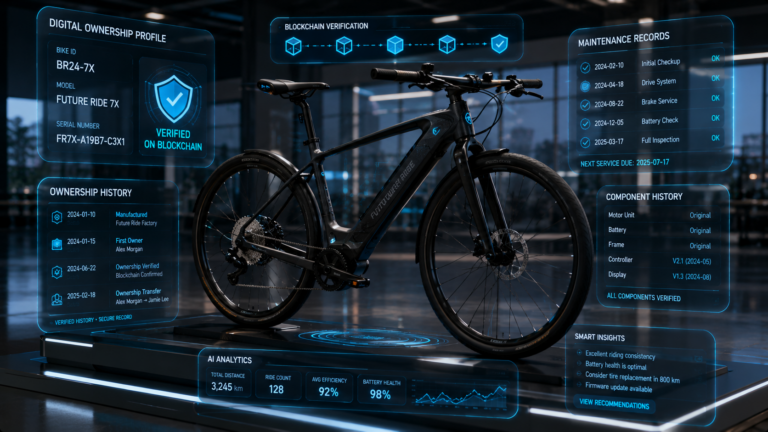
Connected digital ownership systems aim to solve this problem by creating a permanent digital profile for each bicycle.
A digital bike identity may include:
- Manufacturing information
- Component specifications
- Maintenance history
- Upgrade records
- Warranty details
- Ownership transfers
This creates a complete history of the bicycle from production to future ownership.
This connects with our article about Smart Bicycle Digital Twins 2026.
How Digital Bike Records Work
A connected bicycle platform can collect and organize information from different sources, including manufacturers, service providers, smart components, and owners.
Digital records may track:
- Frame information
- Battery history
- Component replacements
- Software updates
- Service appointments
Instead of relying on separate paperwork, owners can access important bicycle information through a digital platform.
Blockchain and Bicycle Authentication
Blockchain technology is often discussed as a way to create secure digital records. In cycling, this concept could potentially help verify bicycle ownership, component authenticity, and service history.
Possible applications include:
- Authenticating bicycle components
- Tracking ownership changes
- Recording service history
- Reducing counterfeit products
- Creating trusted resale information
A secure digital record could make it easier for buyers to understand the history of used bicycles.
Digital Maintenance History and Smart Servicing
Maintenance is one of the most important parts of bicycle ownership. Connected bicycles may automatically record usage information and service requirements.
Future digital maintenance systems may monitor:
- Component wear
- Battery condition
- Frame stress information
- Electronic system updates
- Service intervals
This information could help riders maintain bicycles more efficiently.
This connects with our article about AI-Powered Bicycle Maintenance 2026.
Connected Components and Digital Bike Profiles
Modern bicycles increasingly contain electronic components, making them easier to connect with digital platforms.
Future connected bicycles may store information from:
- Smart batteries
- Electronic drivetrains
- Power meters
- Smart frames
- Sensor systems
Each component could contribute information to a complete digital bicycle profile.
This connects with our article about Smart Bicycle Operating Systems 2026.
Improving Bicycle Resale Value
A verified digital history could change how cyclists buy and sell used bicycles.
A future buyer may be able to review:
- Service records
- Accident information
- Component upgrades
- Battery health
- Ownership history
This transparency may help create more confidence in the secondary bicycle market.
Digital Ownership and Smart E-Bikes
Electric bicycles may benefit significantly from digital ownership systems because they already rely on advanced electronic components.
Digital records could track:
- Battery cycles
- Motor performance
- Charging history
- Software updates
- Range performance
This connects with our article about Smart E-Bike Energy Ecosystems 2026.
Connected Bicycle Apps and Owner Platforms
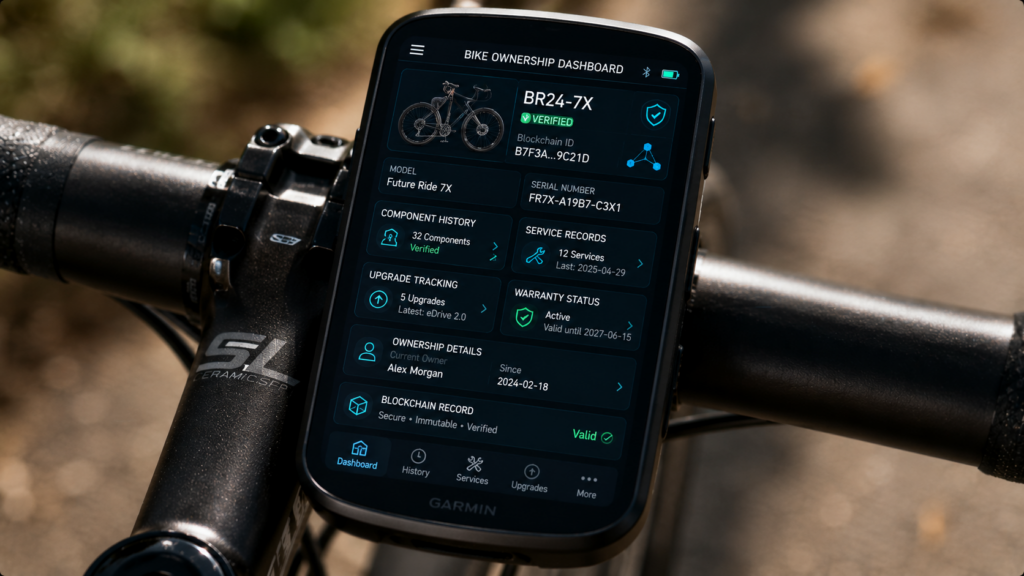
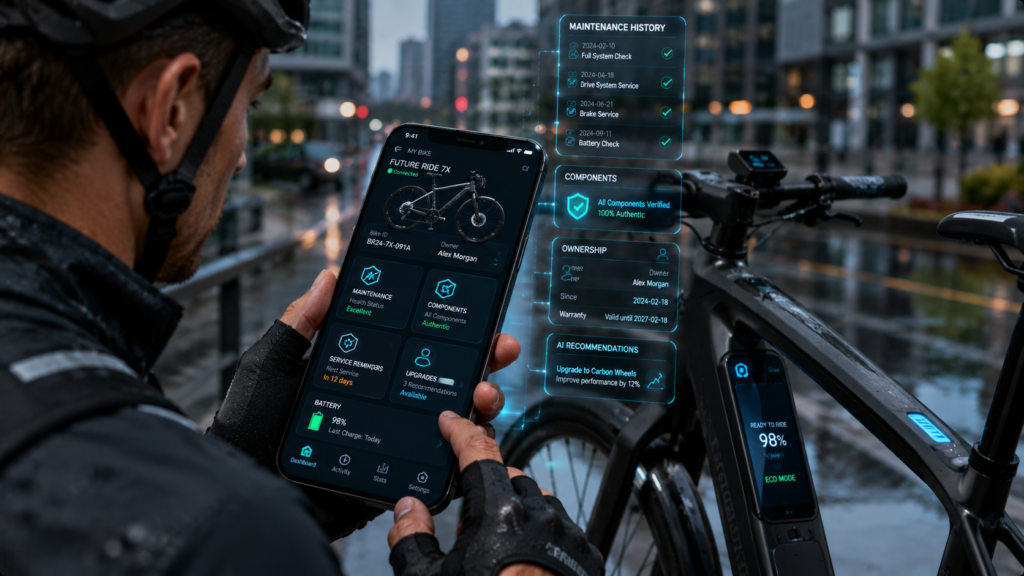
Future bicycle ownership may be managed through mobile applications that connect riders, manufacturers, and service providers.
A connected bicycle app may provide:
- Maintenance reminders
- Upgrade suggestions
- Service scheduling
- Bike location tracking
- Digital ownership documents
This creates a more convenient ownership experience.
Benefits for Different Cyclists
Performance Cyclists
Competitive riders can use digital records to track equipment changes, component performance, and maintenance history.
E-Bike Owners
Electric bicycle users can benefit from detailed battery and motor information.
Used Bicycle Buyers
Buyers may gain more confidence through verified bicycle histories and transparent records.
The Future of Digital Bicycle Ownership
As bicycles become smarter, ownership may become increasingly connected and data-driven.
Future developments may include:
- Digital bicycle passports
- Automated service records
- AI maintenance predictions
- Secure ownership transfers
- Connected cycling marketplaces
The bicycle of the future may not only have advanced hardware but also a complete digital identity.
Conclusion
Digital bike ownership in 2026 represents a new approach to managing connected bicycles. Through digital records, smart platforms, and secure data systems, cyclists may gain greater control over maintenance, upgrades, and ownership history.
As bicycles continue evolving into intelligent connected machines, digital ownership systems may become an important part of the modern cycling experience.