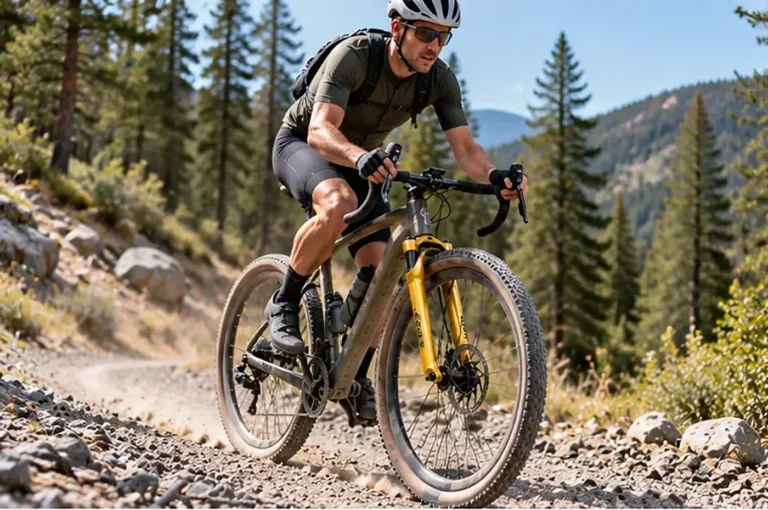
Gravel bikes used to be sold on one wonderfully simple promise: road-bike speed with enough tire clearance to leave the pavement behind. But increasingly technical events and rough backcountry routes have pushed manufacturers toward wider tires, more stable geometry and dedicated suspension. The new Öhlins GXF30 gravel fork, announced October 21, 2026, is the latest sign that short-travel suspension is becoming a serious option for certain gravel riders.
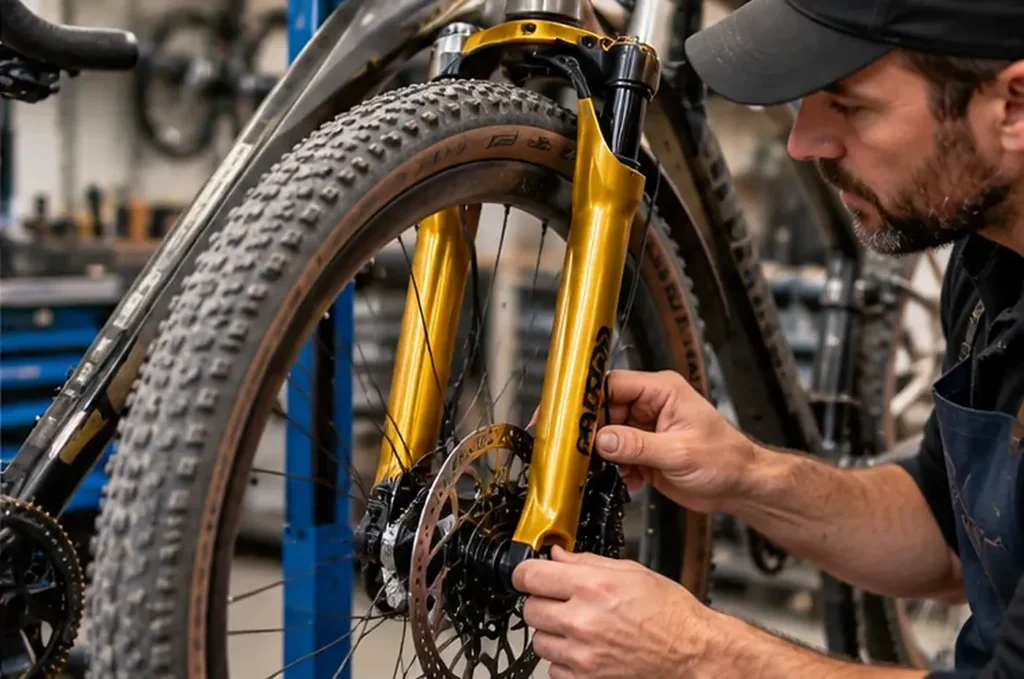
The GXF30 M.1 brings 40mm of suspension travel to drop-bar bikes, with a claimed weight of 1,249 grams and a distinctive yellow finish. Its initial production run is limited to 300 units. Does that mean every gravel cyclist needs a suspension fork? Not remotely. Here is what the new product offers, what must fit your bicycle, and when a conventional rigid fork may remain the better choice.
What Makes the Öhlins GXF30 M.1 Newsworthy?
Öhlins is familiar to mountain bike riders and motorsport fans, but this is the company’s first dedicated gravel suspension fork. In its official product announcement, Öhlins says the design was developed for rough gravel rather than simply shortening an existing mountain bike fork. The company emphasizes steering response, small-bump control and traction.
The launch also reflects the way drop-bar bikes are evolving. Bikerumor’s October 21 coverage places the fork among a growing group of specialist suspension products. iBikeBlog has already examined this broader shift in its 2026 gravel bike trends guide. The GXF30 offers a fresh, specific example worth examining on its own.
Key Specifications of the GXF30 Gravel Fork
The manufacturer’s published technical figures describe a very particular product rather than a one-size-fits-all upgrade:
- Suspension travel: 40mm
- Stanchion diameter: 30mm
- Damper: gravel-specific FTX14
- Axle-to-crown length: 445mm
- Claimed weight: 1,249 grams
- Brake interface: flat mount, optimized for a 160mm rotor
- Maximum stated tire clearance: 52mm without a fender or 47mm with one
- Initial release: 300 limited-edition units through authorized dealers
Pricing reported by BIKE Magazine is approximately $995 in the United States. Pricing, inventory and dealer availability can change, so check with an authorized retailer rather than treating the launch figure as a permanent quote.
Why 40mm of Travel Can Make Sense on Gravel
Forty millimeters sounds modest compared with mountain bike forks that often provide more than 100mm of movement. But the purpose here is different. A gravel suspension fork is intended to reduce the sharp impacts from washboard, broken pavement, roots and embedded stones without making the bicycle feel overly soft on faster roads.
When the front wheel encounters repeated bumps, a rigid setup sends more of that movement through the bars and rider’s arms. Short-travel suspension can allow the wheel to move upward relative to the frame, potentially improving comfort and helping the tire maintain contact with rough surfaces. The degree of benefit depends on setup, speed, tire pressure and terrain; manufacturer descriptions should not be mistaken for independent measurements of performance.
Our separate bike suspension and geometry guide explains why front-end behavior must be considered together with the rest of the frame, rather than judging travel in isolation.
Inside the FTX14 Damper and Compression Settings
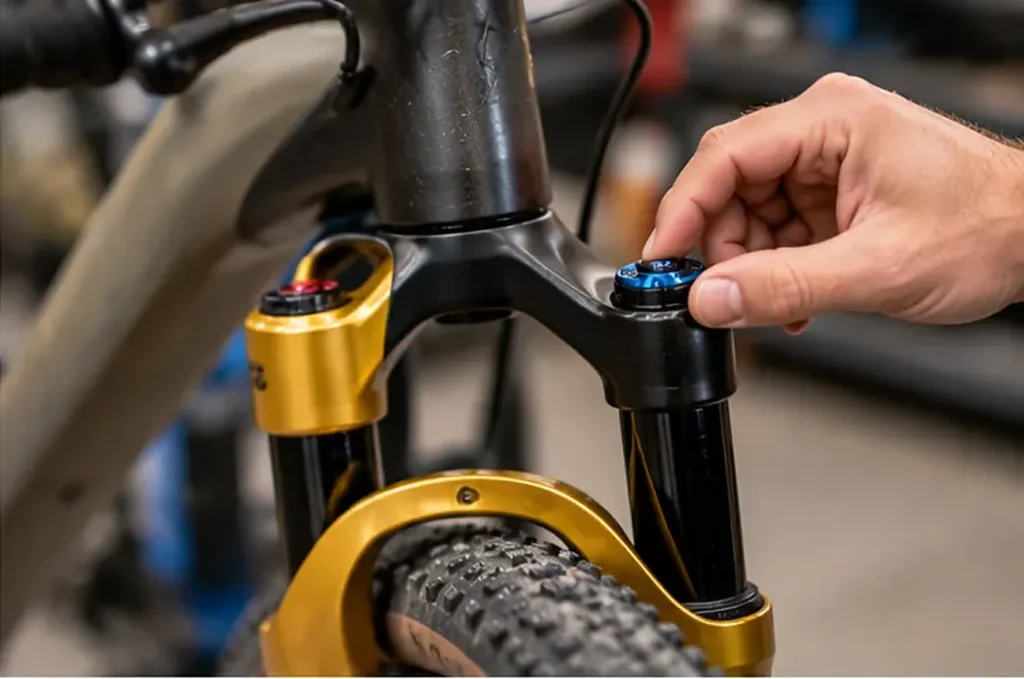
Suspension involves more than a spring. Damping controls the rate at which the fork compresses and returns after a hit. Öhlins’ FTX14 hydraulic cartridge is designed for the short strokes and relatively rapid impacts common on gravel tracks. The fork offers multiple compression settings, including a manual lockout option for firmer riding.
Independent launch reporting by BIKE magazine describes the 40mm format as a middle ground between rigid gravel forks and lightweight cross-country suspension. For riders, the relevant question is not how many adjustment modes exist, but whether the settings are understandable and helpful on routes they regularly ride.
A firmer setting may suit smoother surfaces or steady climbs. A more open configuration may be preferable when repeated bumps demand more wheel movement. Riders should begin with the manufacturer’s setup instructions rather than copying someone else’s air pressure or damping clicks.
Fork Compatibility Is More Important Than Color
Before purchasing any gravel suspension fork, verify that the frame is approved for that fork’s dimensions and loading. The GXF30 has a stated 445mm axle-to-crown measurement. Changing fork length can raise the front of a bike, alter head angle, affect steering and shift weight distribution. Even a fork that physically slides into the frame may not be approved by the frame manufacturer.
Confirm steerer tube requirements, axle standard, hub spacing, brake hose routing, front brake compatibility, crown clearance, fender fit and maximum load. The manufacturer lists flat mount braking optimized for a 160mm rotor; do not assume every existing caliper or rotor arrangement can be transferred without changes.
Also check tire dimensions on the actual rim. A tire marked 50mm may measure wider or narrower depending on the rim and casing. The published 52mm clearance without fenders and 47mm with fenders are maximum specifications, not a promise that every labeled tire will have sufficient space for debris or deformation.
Rigid Fork, Wider Tires or Full Suspension?
A rigid carbon fork remains a sensible default for many mixed-surface routes. It has fewer moving parts, typically lower weight and usually less maintenance. Wider tubeless tires at suitable pressures can already provide substantial comfort and traction, often at lower cost than a new suspension fork.
Suspension becomes easier to justify when rough routes are a frequent part of your riding, not merely an occasional detour. On the other hand, if your rides routinely include steep drops, large rocks and mountain-bike trails, a dedicated mountain bike may be safer and more capable than trying to transform a gravel bicycle into one.
iBikeBlog’s recent gravel racing technology report shows how modern racers already balance tire volume, aerodynamic demands and handling. A suspension fork is another variable to evaluate, not the only route to comfort.
What About Weight and Maintenance?
At a claimed 1,249 grams, the GXF30 adds a relatively substantial front-end component compared with many rigid gravel forks. The actual increase depends on the fork being replaced and any changes to the brake, axle or accessories. For a rider covering smooth rolling terrain, that extra mass may be difficult to justify. For someone repeatedly striking rocks, comfort and control may matter more.
Suspension also introduces seals, stanchions and damping parts that require correct inspection and service. Clean the exposed legs according to the maker’s guidance and respect service intervals, especially after wet or dusty use. Seek approved service support for internal work. The Öhlins bicycle suspension overview provides background on the role of springs and dampers in controlling impacts.
Who Should Consider the GXF30 M.1?
The strongest candidate rides rough gravel frequently, already has a compatible frame, appreciates adjustable suspension and has access to an appropriate dealer. A rider preparing for rocky endurance events or long washboard descents may find the concept worth investigating. Those priorities are different from a cyclist seeking the lightest setup for flat, fast gravel roads.
The launch run also makes the buying decision practical rather than purely technical. Bike-X’s October launch report confirms the limited initial edition. Scarcity, however, is not a reason to buy an unsuitable component. Check fit, installation and future servicing before making a deposit.
Questions to Ask Your Bike Shop
Bring the exact frame model and year, current fork specifications and planned tire size. Ask whether the frame maker permits the GXF30, whether its dimensions preserve an acceptable geometry, which axle and brake parts are required, and how a shop would set up the suspension for your weight and riding surface. Request a total installed cost that includes any small parts and labor, not just the fork itself.
Final Thoughts
The Öhlins GXF30 M.1 is an interesting October 2026 launch because it treats gravel suspension as its own engineering problem. Its 40mm travel, FTX14 damper and precise compatibility requirements reflect how specialized modern gravel bikes have become.
That does not make the fork a universal upgrade. For rough-terrain riders with compatible bicycles, it may offer a useful new option. For everyone else, well-chosen tires, correct pressures, sound maintenance and a route-appropriate bike may deliver better value. Choose the component that improves your actual rides, not simply the one drawing the most headlines.