The Evolution of Bike Frame Materials and Manufacturing in 2026
The bicycle frame is the structural heart of your ride, dictating everything from handling characteristics and power transfer to comfort and durability. In 2026, the science of bike frame materials and manufacturing has reached unprecedented levels of sophistication. The days of simply welding steel tubes together have been eclipsed by advanced composite engineering, aerospace-grade alloys, and precision manufacturing techniques.
Choosing the right frame material is no longer just a matter of weight versus cost. Modern cyclists must consider stiffness-to-weight ratios, compliance tuning, fatigue life, and the specific demands of their riding discipline. Whether you are navigating technical singletrack, grinding out gravel miles, or sprinting for a finish line, the material beneath you plays a pivotal role. This guide delves into the cutting-edge technologies defining bicycle frame construction today.
The Dominance of Carbon Fiber Composites
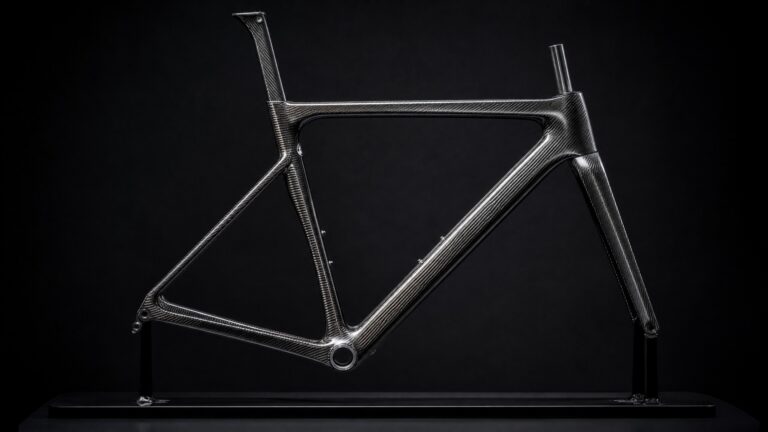
Carbon fiber remains the undisputed king of high-performance bicycle frames in 2026. Its unparalleled strength-to-weight ratio allows engineers to create structures that are incredibly light yet exceptionally stiff. However, carbon fiber is not a single material; it is a composite made of carbon filaments suspended in an epoxy resin matrix. The true magic of carbon lies in how these materials are combined and manipulated.
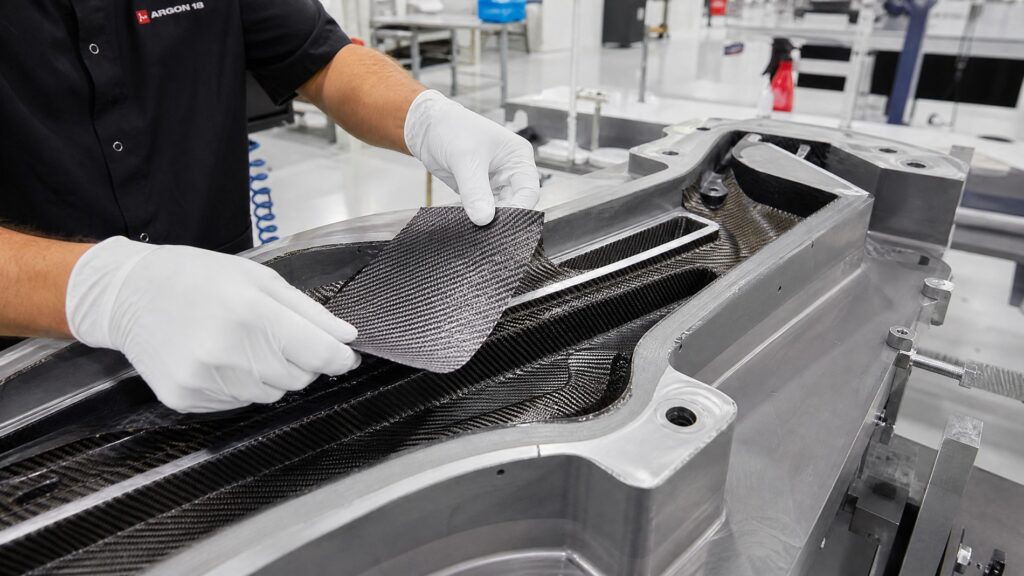
The manufacturing process begins with pre-preg carbon sheets, where the fabric is pre-impregnated with resin. Engineers use a combination of woven twill fabrics for impact resistance and uni-directional (UD) fibers for structural stiffness. By carefully orienting the UD fibers along specific load paths, manufacturers can tune the frame’s characteristics. For example, the down tube and bottom bracket area can be made massively stiff to resist pedaling forces, while the seat stays can be engineered to flex slightly, absorbing road vibrations and improving comfort.
According to detailed manufacturing guides from Easy Composites, the layup process is highly labor-intensive. Hundreds of individual carbon pieces are meticulously placed into precision-machined molds. The frame is then subjected to vacuum bagging and cured in an autoclave under high heat and pressure. This process consolidates the layers, eliminates voids, and ensures maximum structural integrity. The result is a frame that perfectly balances the demands of bike fit and geometry optimization with raw performance.
The Renaissance of Titanium
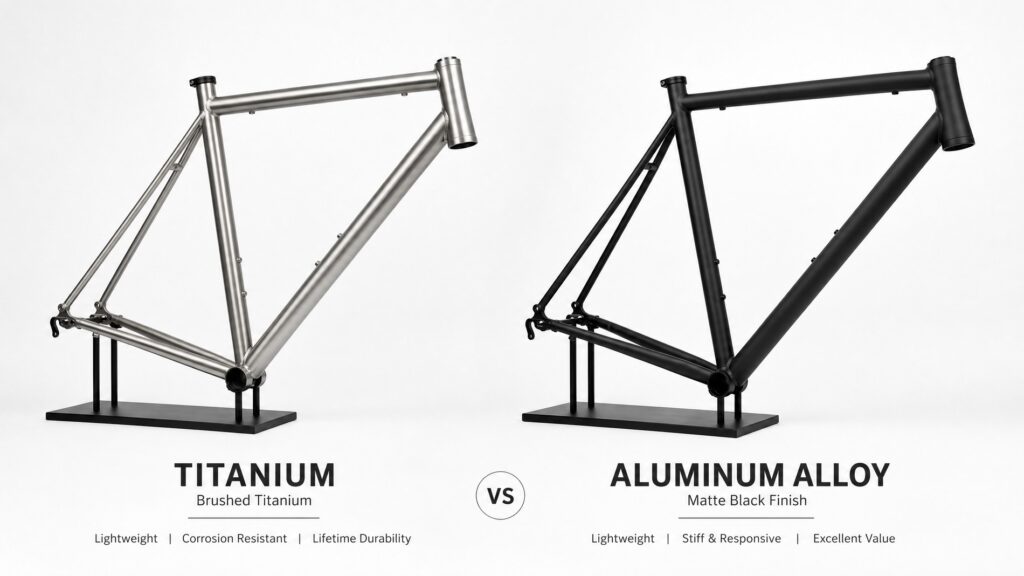
While carbon fiber dominates the racing scene, titanium is experiencing a massive renaissance among endurance riders, bikepackers, and custom frame builders. Titanium offers a unique “magic carpet” ride quality that absorbs high-frequency vibrations better than almost any other material. It possesses the lively feel of high-end steel but at a significantly lower weight and with absolute immunity to corrosion.
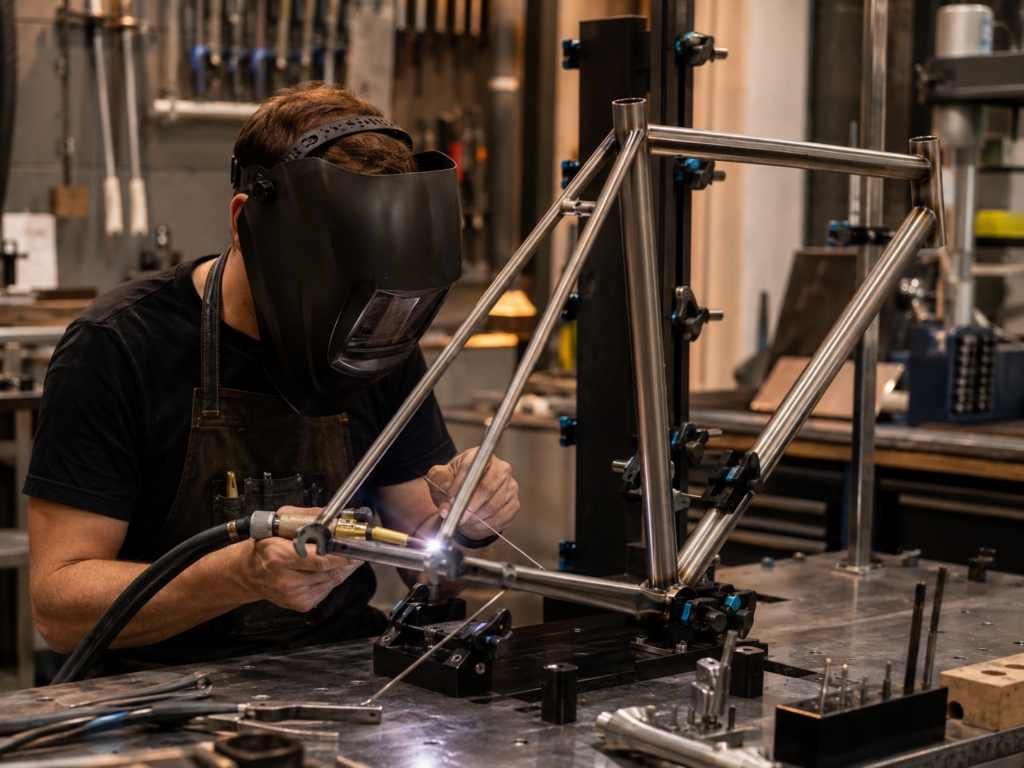
In 2026, titanium manufacturing has benefited from advancements in 3D printing (additive manufacturing). Builders can now 3D print complex titanium lugs and junctions, which are then welded to traditional titanium tubing. This hybrid approach allows for internal cable routing, aerodynamic tube shapes, and aerodynamic rim design integration that were previously impossible with titanium. As noted by BikeRadar’s industry analysis, titanium is no longer just a retro choice; it is a premium, lifetime investment for discerning cyclists.
Advanced Aluminum Alloys
Aluminum should never be dismissed as merely a budget option. Modern aluminum frames, typically utilizing 6061 or 7075 series alloys, offer exceptional performance that rivals mid-tier carbon frames. Through processes like hydroforming and butting, manufacturers can manipulate the wall thickness and shape of aluminum tubes to optimize strength and reduce weight.
Hydroforming uses high-pressure hydraulic fluid to press the aluminum tubing into complex molds. This allows for the creation of aerodynamic profiles and reinforced junctions without the need for heavy gussets. Furthermore, advanced welding techniques, such as smooth welding, create seamless joints that mimic the organic look of carbon fiber while reducing stress risers. For criterium racers who need explosive stiffness and crash durability, or for riders looking to maximize their budget for bike gearing and cassette technology upgrades, premium aluminum remains an outstanding choice.
Steel: The Enduring Classic
The old adage “steel is real” still holds true in 2026. High-tensile chromoly steel frames offer a distinct, springy ride quality that many purists swear by. While undeniably heavier than carbon, titanium, or aluminum, modern steel tubing from manufacturers like Columbus and Reynolds is incredibly strong and can be drawn exceptionally thin.
Steel is highly valued in the touring and bikepacking communities due to its ultimate durability and repairability. In the event of a catastrophic frame failure in a remote location, a steel frame can often be welded back together by a local mechanic—a feat impossible with carbon or titanium. Additionally, the slender tube profiles of a classic steel frame offer a timeless aesthetic that appeals to riders who prioritize style and tradition alongside cycling injury prevention through comfortable geometry.
Conclusion: Choosing Your Ideal Frame
The best bike frame material in 2026 depends entirely on your specific needs, riding style, and budget. Carbon fiber offers the ultimate in lightweight performance and tunable stiffness, making it the choice for competitive racing. Titanium provides a luxurious ride quality and lifetime durability for endurance enthusiasts. Aluminum delivers exceptional stiffness and value, while steel remains the rugged, repairable classic.
When selecting your next bicycle, look beyond the marketing jargon. Consider how the frame is manufactured, the specific alloys or carbon layups used, and how those characteristics align with your goals. A well-engineered aluminum frame will often outperform a poorly constructed carbon one. By understanding the science behind the materials, you can make an informed decision that will enhance your cycling experience for years to come.