The Rise of Electric Cargo Bikes in 2026
The urban mobility landscape is undergoing a massive transformation as we move deeper into 2026. Electric cargo bikes have evolved from niche utility vehicles into mainstream transportation solutions for families and businesses alike. These powerful machines are fundamentally changing how we move goods and people through congested city streets. Consequently, the global cargo e-bike market is projected to grow from $3.62 billion in 2026 to an astonishing $8.73 billion by 2034, according to Fortune Business Insights. This rapid adoption is driven by significant advancements in motor technology, battery capacity, and purpose-built frame designs.
Riding a cargo bike used to require immense physical effort, especially when fully loaded. However, modern E-Bike Motor Technology and Power Systems 2026 have completely eliminated this barrier. Today’s electric cargo bikes can effortlessly haul hundreds of pounds of groceries, children, or commercial deliveries up steep inclines without breaking a sweat. Whether you are a parent looking to replace the family minivan or a logistics company optimizing last-mile delivery, understanding the latest cargo e-bike technology is essential for making an informed investment.
Understanding Cargo Bike Configurations
Before diving into the technical specifications, it is crucial to understand the two primary configurations of electric cargo bikes available in 2026. Each design serves different purposes and offers unique handling characteristics.
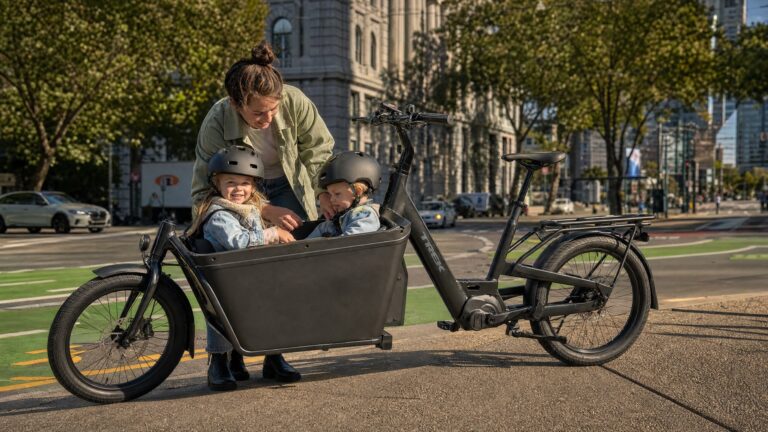
The first configuration is the front-loader, commonly known as a Bakfiets or Long John. This design suspends a large cargo box between the rider and the front wheel. Front-loaders are incredibly popular for transporting young children, as the rider can easily keep an eye on their passengers. They also offer massive volume for bulky items. However, they require a longer learning curve due to the linkage steering system and have a significantly larger turning radius. Brands like Urban Arrow have perfected this design, offering models with integrated rain covers and impact-absorbing foam boxes.
The second configuration is the mid-tail or long-tail design. These bikes look much more like traditional bicycles but feature an extended rear rack designed to carry passengers or heavy panniers. Long-tails are generally easier to ride for beginners because they handle very similarly to a standard commuter bike. They are also much easier to store in a standard garage or navigate through tight urban spaces. As highlighted by WIRED’s comprehensive guide, long-tail bikes are often the preferred choice for riders who want versatility without sacrificing maneuverability.
Motor Technology and Torque Requirements
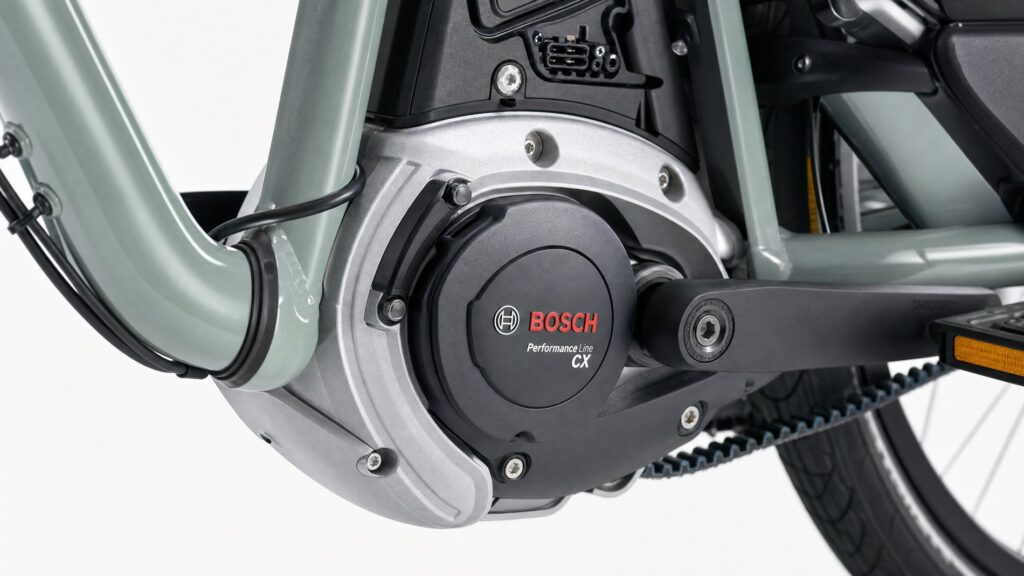
The heart of any electric cargo bike is its motor system. When you are hauling up to 500 pounds of total payload, standard e-bike motors simply will not suffice. In 2026, the industry standard for premium cargo bikes is the mid-drive motor, positioned at the bottom bracket between the pedals. This placement keeps the center of gravity low and allows the motor to leverage the bike’s gearing system, providing vastly superior hill-climbing ability compared to hub motors.
Industry leaders like Bosch eBike Systems have developed cargo-specific motors, such as the Cargo Line, which delivers up to 85Nm of torque. This massive torque output is critical for getting a heavy bike moving from a dead stop, especially at traffic lights or on inclines. Furthermore, these advanced systems utilize sophisticated sensors that measure your pedaling cadence, torque, and speed thousands of times per second. This results in power delivery that feels incredibly natural and intuitive, rather than jerky or unpredictable.
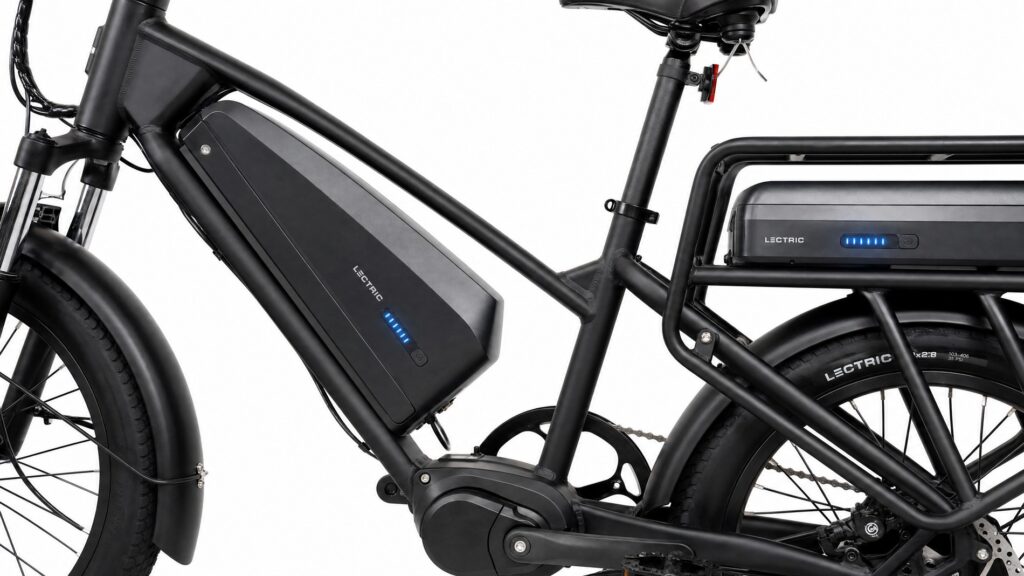
While some budget-friendly brands like Lectric eBikes utilize powerful rear hub motors to keep costs down, mid-drive systems remain the gold standard for heavy-duty hauling. When evaluating motor options, always prioritize torque ratings over raw wattage, as torque is the true measure of a motor’s ability to move heavy loads.
Battery Systems and Range Anxiety
Hauling heavy cargo requires a tremendous amount of energy, which can quickly deplete a standard e-bike battery. To combat range anxiety, the best electric cargo bikes of 2026 feature high-capacity battery systems, often with dual-battery capabilities. A dual-battery setup allows riders to connect two battery packs simultaneously, effectively doubling the range and ensuring you never run out of juice halfway through a delivery route or school run.
Safety is also a paramount concern when dealing with large lithium-ion batteries. In 2026, it is absolutely critical to only purchase cargo bikes with UL-certified electrical systems. This third-party certification ensures that the battery, motor, and charger have been rigorously tested to prevent thermal runaway and fire hazards. As battery technology continues to improve, we are seeing higher energy densities, meaning batteries are becoming lighter while offering more range.
Braking and Component Durability
Going fast with a heavy load is easy; stopping safely is the real challenge. Therefore, Bike Brakes Technology and Stopping Power 2026 is arguably the most critical safety feature on a cargo bike. Hydraulic disc brakes with large rotors (typically 180mm to 203mm) are absolutely mandatory. These systems provide the immense stopping power required to halt a 400-pound moving mass safely, even in wet conditions. Mechanical disc brakes or rim brakes are simply inadequate for cargo applications.
Beyond brakes, every component on a cargo bike must be over-engineered to handle increased stress. This includes reinforced frames, heavy-duty double-wall rims, and specialized cargo tires. Speaking of tires, advancements in Bike Tire Technology and Tread Pattern Innovations 2026 have led to the development of tires with thicker casings and enhanced puncture protection, specifically designed to support heavy loads without compromising ride quality.
Urban Delivery and Commercial Applications
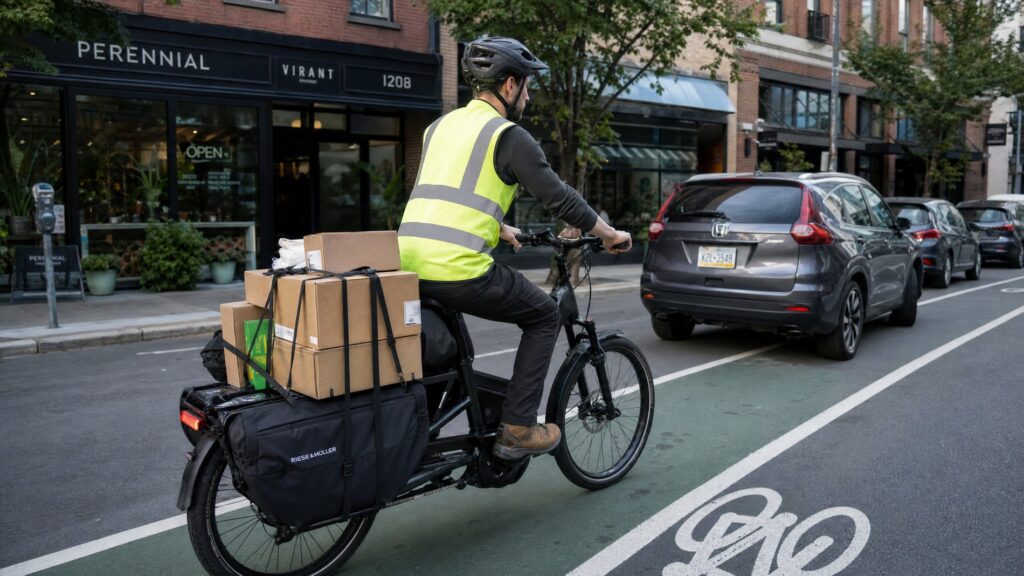
While families are adopting cargo bikes at a rapid pace, the commercial sector is driving massive innovation in this space. Urban logistics and last-mile delivery are being revolutionized by electric cargo bikes. According to a study published in ScienceDirect, cargo-bike delivery networks can significantly improve urban livability by reducing greenhouse gas emissions and removing large delivery vans from congested city centers.
Cities are actively encouraging this transition. For example, the National Association of City Transportation Officials (NACTO) highlights how New York City has established permanent commercial cargo bicycle programs to support this sustainable delivery method. These commercial bikes often feature massive enclosed cargo boxes, heavy-duty suspension systems, and specialized fleet management software.
As we look toward the future of Bike Commuting Technology Urban Cycling 2026, it is clear that electric cargo bikes will play a central role in reshaping our cities. Whether you are replacing car trips for your family or optimizing a delivery fleet, the technology available in 2026 makes cargo biking more accessible, reliable, and powerful than ever before.