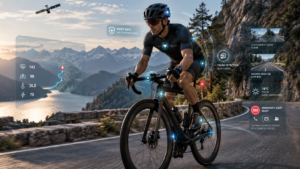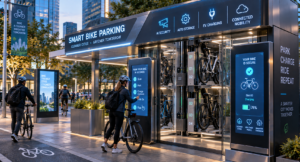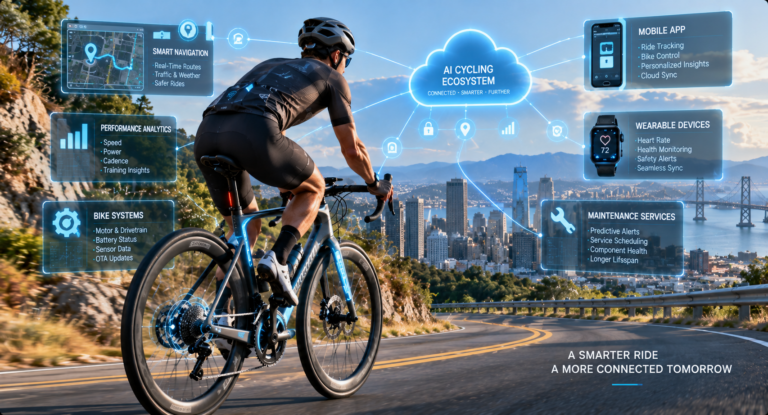
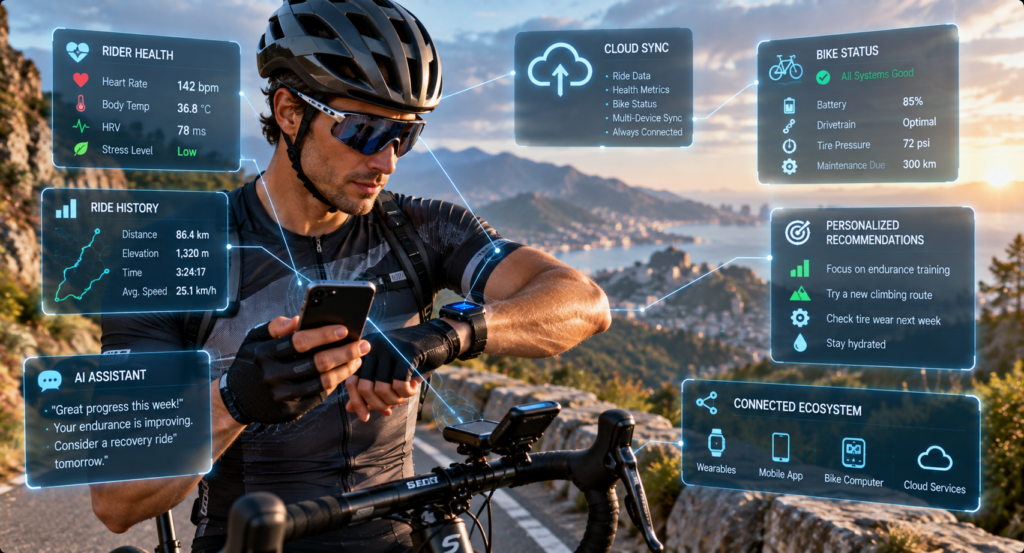
The bicycle is evolving from a standalone machine into a connected digital platform. In 2026, AI bicycle digital ecosystem 2026 technology is bringing together smart bicycles, mobile applications, cloud services, wearable devices, maintenance platforms, and artificial intelligence into one unified cycling experience.
Instead of using separate devices that operate independently, future cyclists may interact with a complete digital ecosystem where every part of the riding experience is connected.
The growth of connected cycling technology reflects a broader industry shift toward integrated systems that combine sensors, artificial intelligence, real-time analytics, and personalized digital services.
The Rise of the Connected Bicycle Ecosystem
For decades, bicycles were primarily mechanical products. Riders selected components, adjusted settings manually, and tracked performance using separate devices.
Modern smart bicycles are changing this approach by creating connections between:
- Smart bicycle hardware
- Mobile applications
- Cloud platforms
- Wearable devices
- Training systems
- Maintenance services
The result is a connected ecosystem where information can move between different cycling technologies.
This connects with our article about Software-Defined Bicycles 2026.
How AI Bicycle Digital Ecosystems Work
An AI bicycle ecosystem collects information from multiple connected sources and combines the data into a single intelligent platform.
A connected bicycle system may collect:
- Ride performance data
- Battery information
- Health measurements
- Navigation history
- Component condition
- Rider preferences
Artificial intelligence can analyze this information and provide recommendations based on the cyclist’s habits and goals.
For example, the system may suggest maintenance, recommend a training adjustment, optimize battery usage, or improve route planning.
Unified Rider Profiles and Smart Personalization
One of the biggest advantages of a connected cycling ecosystem is the ability to create a unified rider profile.
A digital rider profile may include:
- Preferred riding modes
- Training history
- Fitness information
- Bike configuration
- Maintenance records
- Route preferences
Instead of configuring each device separately, cyclists may access a personalized experience across their entire technology ecosystem.
This connects with our article about AI Bicycle Personalization 2026.
Cloud Platforms and Connected Cycling Data
Cloud technology allows cycling information to be stored, analyzed, and synchronized across multiple devices.
A cloud-connected bicycle platform may provide:
- Automatic data backup
- Remote bike settings
- Performance reports
- Maintenance notifications
- Software updates
This means a cyclist’s digital riding profile can continue developing over time.
Cloud-based platforms are becoming increasingly important as smart cycling systems combine more devices and services into connected networks.
Connected Apps for the Modern Cyclist
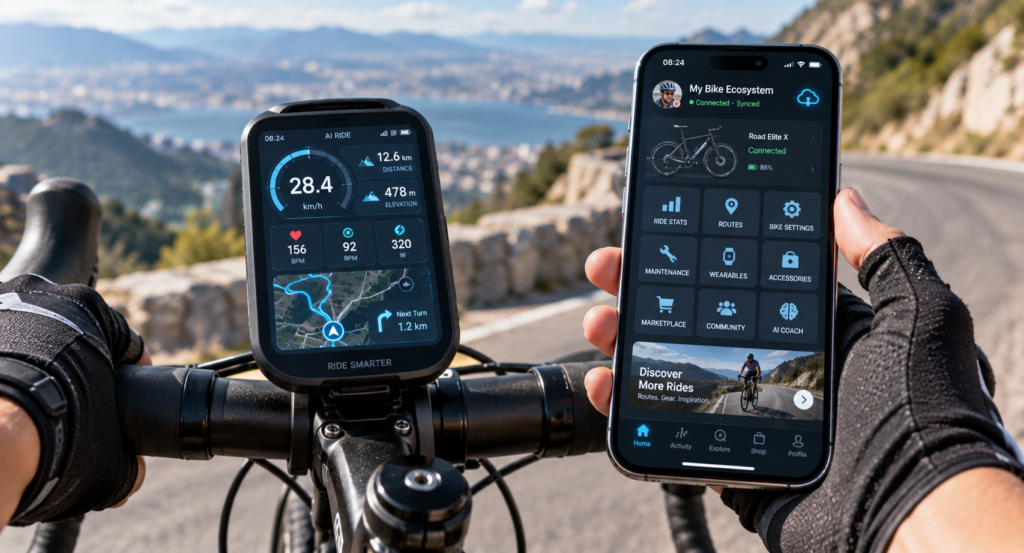
Mobile applications are becoming the central control point for many cycling ecosystems.
Future AI cycling applications may allow riders to:
- Manage bicycle settings
- Track performance
- Schedule maintenance
- Control accessories
- Review health information
- Share rides
Instead of requiring separate applications for every device, future platforms may combine multiple functions into one experience.
Integration With Wearable Technology
Wearable devices are becoming an important part of connected cycling ecosystems because they provide information about the rider.
Connected wearables may include:
- Smart watches
- Smart glasses
- Biometric sensors
- Smart clothing
- Heart rate monitors
When combined with bicycle data, AI systems can provide more complete insights into performance and wellness.
This connects with our article about Connected Cycling Wearable Ecosystems 2026.
AI Maintenance and Bicycle Ownership Services
A digital bicycle ecosystem can also improve ownership by connecting maintenance information with the rider’s profile.
AI systems may monitor:
- Component usage
- Battery condition
- Service requirements
- Software updates
- Replacement recommendations
This creates a more proactive approach to bicycle ownership.
Instead of waiting for problems, cyclists may receive recommendations before failures occur.
This connects with our article about AI-Powered Bicycle Maintenance 2026.
Connected Cycling Marketplaces and Digital Services
Future bicycle ecosystems may also expand into digital marketplaces where riders can access services directly through their platforms.
Possible services may include:
- Component upgrades
- Software features
- Training subscriptions
- Maintenance scheduling
- Community events
This creates a new relationship between cyclists, manufacturers, and service providers.
AI Assistants Within Digital Bicycle Ecosystems
Artificial intelligence assistants may become the primary interface between riders and connected bicycles.
Cyclists may use AI assistants to:
- Ask for route suggestions
- Check bicycle condition
- Adjust riding modes
- Review performance
- Receive recommendations
This creates a more natural interaction between humans and cycling technology.
This connects with our article about AI Cycling Digital Assistants 2026.
Cybersecurity and Data Privacy Challenges
As bicycles become more connected, protecting rider information becomes increasingly important.
Future digital ecosystems must address:
- Data protection
- Secure connections
- Account privacy
- Device authentication
- Cybersecurity risks
A successful smart bicycle ecosystem must provide convenience while protecting user information.
Benefits for Different Cyclists
Professional Cyclists
Athletes may use connected ecosystems to combine training, equipment, and performance analytics.
Commuters
Daily riders may benefit from navigation, maintenance reminders, and smart safety features.
Recreational Cyclists
Casual riders may enjoy easier bicycle management and personalized recommendations.
The Future of AI Bicycle Digital Ecosystems
The future bicycle may become a connected mobility platform rather than a simple mechanical product.
Future developments may include:
- AI-powered bicycle operating systems
- Cloud-connected ownership platforms
- Fully synchronized devices
- Smart city integration
- Personalized digital cycling assistants
As technology advances, the bicycle ecosystem may become as important as the bicycle itself.
Conclusion
AI bicycle digital ecosystems in 2026 represent a major transformation in cycling technology. By connecting bicycles, applications, wearables, cloud services, and artificial intelligence, future cyclists may experience a more personalized and intelligent riding environment.
The next generation of bicycles will not simply collect data. They will use connected intelligence to improve every part of the cycling experience.